|
Pan American Experiences
|
------- |

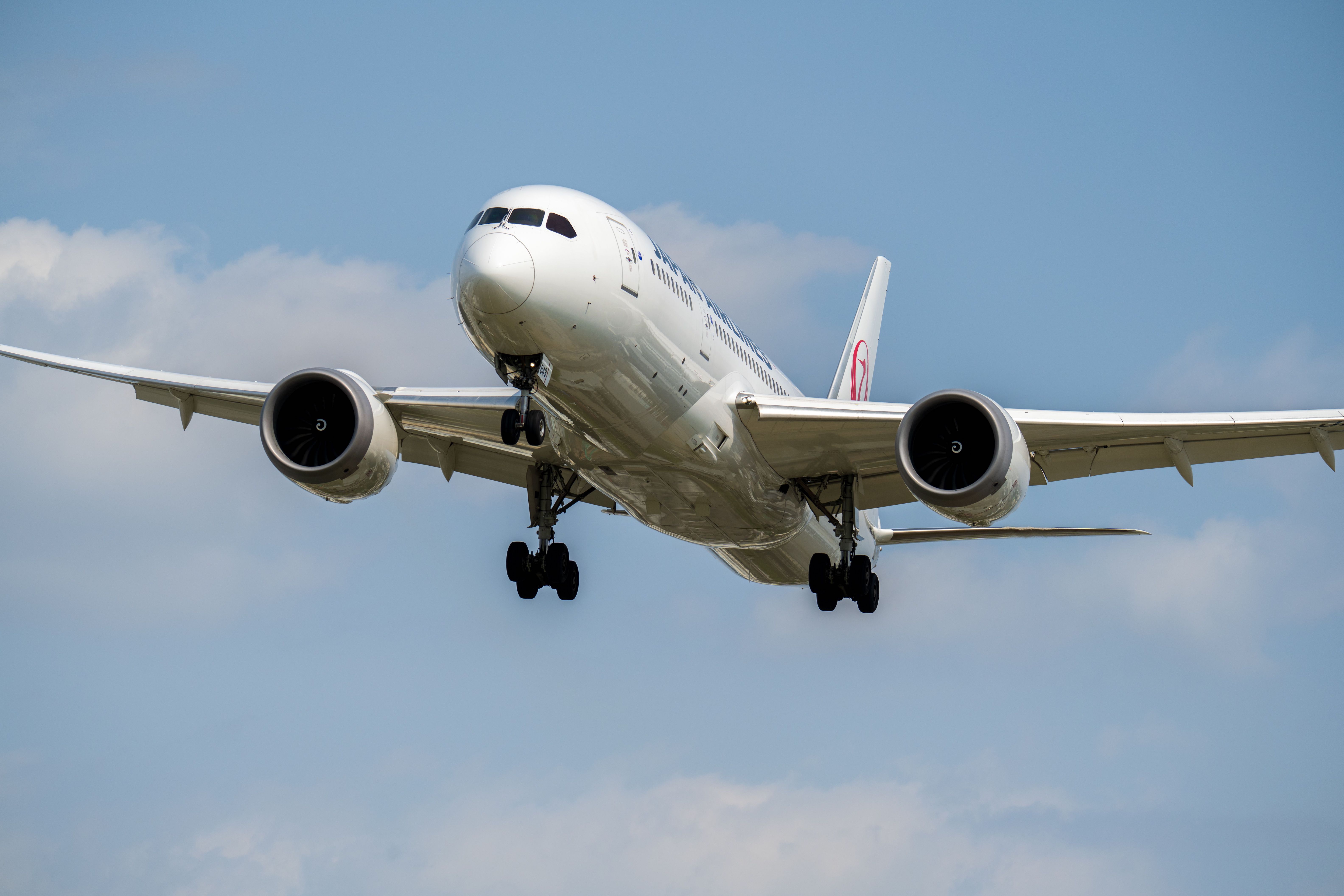
El combustible y la conectividad convierten la geopolítica en una variable empresarial para el turismo panamericano. Foto de Guohua Song/Pexels.
2025 -- the Year of the Naked Dress |
HEMISPHERE ------------------------------------------1052[BUSINESS FEATURE] | |||
Guerra Irán-Contra: El Costo Para el Turismo PanamericanoEl combustible, las rutas aéreas y el poder adquisitivo están cambiando el turismo en las Américas.By Estefanía Muriel for Ruta Pantera on 10/5/2026 11:36:15 AM |
||||
| ¿Puede una guerra que ocurre a miles de kilómetros de distancia terminar haciendo más costoso un viaje entre Bogotá, Ciudad de México y Buenos Aires? En 2026, la respuesta se encuentra principalmente en la energía. El conflicto con Irán alteró los mercados del petróleo y del combustible para aviones, aumentó la volatilidad de las aerolíneas y obligó a estas empresas a revisar su capacidad, tarifas y rutas. Para el turismo panamericano, el impacto proviene menos de la geografía del conflicto que de sus efectos sobre los costos. El efecto ya comienza a aparecer en las cuentas de las aerolíneas. La Asociación Internacional de Transporte Aéreo (IATA) indica que el combustible representará cerca de un tercio de los costos operativos de las aerolíneas en 2026. En agosto, la demanda mundial de viajes aéreos cayó un 0,8 % interanual, aunque las aerolíneas latinoamericanas registraron un crecimiento del 6,7 %, acompañado de una expansión del 6,3 % en su capacidad. Esto crea un escenario desigual para las empresas turísticas. América Latina continúa registrando crecimiento tanto en la demanda como en la capacidad, pero las compañías enfrentan mayores costos de combustible, presiones cambiarias y consumidores con menor poder adquisitivo. El resultado es una industria que aún tiene espacio para crecer, aunque con márgenes más reducidos y una mayor necesidad de gestionar los precios, las rutas, los mercados de origen y los productos capaces de justificar el gasto de los viajeros. El Combustible Convierte una Guerra Regional en un Costo Panamericano La primera transmisión del impacto hacia las Américas ocurre a través de la energía. Las interrupciones relacionadas con el conflicto afectaron el flujo de petróleo y productos refinados por el estrecho de Ormuz, provocando fuertes fluctuaciones en los precios del crudo. La Administración de Información Energética de Estados Unidos (EIA) informó que el petróleo Brent alcanzó los US$118 por barril el 29 de abril de 2026, antes de descender posteriormente. Para las aerolíneas, esta volatilidad es tan relevante como el precio absoluto. En junio, IATA calculó que las interrupciones en Medio Oriente y los elevados costos del combustible reducirían significativamente la rentabilidad proyectada de la industria aérea mundial. Para América Latina, estimó una utilidad neta de US$12.000 millones y un margen del 2,1 % en 2026, frente a US$1.900 millones y un margen del 3,8 % en 2025. En una industria de márgenes reducidos, las fluctuaciones energéticas pueden afectar considerablemente las decisiones sobre capacidad, expansión y precios. El problema se traslada entonces a los hoteles, operadores turísticos y agencias de viajes, porque el transporte forma parte del precio final del viaje. Associated Press informó en septiembre que los precios del combustible para aviones habían vuelto a aumentar considerablemente y que varias aerolíneas estadounidenses estaban reduciendo algunos vuelos menos rentables. Para las empresas turísticas, esto significa que las tarifas pueden mantenerse elevadas incluso cuando los precios del petróleo bajan, debido al tiempo necesario para absorber el impacto. América Latina Gana Demanda, Pero Enfrenta Márgenes Más Estrechos El panorama regional presenta una paradoja. Mientras Medio Oriente sufrió una fuerte contracción del tráfico aéreo, las aerolíneas latinoamericanas registraron en agosto un aumento del 6,7 % en la demanda y del 6,3 % en la capacidad. IATA también registró un factor de ocupación del 84 %. Estos datos muestran que el conflicto no paralizó los viajes en el continente; parte de la actividad podría estar desplazándose hacia mercados menos expuestos a las rutas afectadas. El Consejo Mundial de Viajes y Turismo (WTTC) estimó que la actividad de viajes y turismo en Centroamérica y Sudamérica crecería un 4,1 % durante 2026, por encima del crecimiento mundial proyectado del 3,2 %, mientras que el gasto de los visitantes internacionales aumentaría un 7,8 %. La organización atribuyó parte de esta resiliencia a una menor exposición directa a las alteraciones geopolíticas en Medio Oriente. Esta ventaja relativa podría convertirse en una oportunidad si se mantiene la conectividad. Pero una mayor demanda no se traduce automáticamente en una mayor rentabilidad. IATA advierte que las aerolíneas latinoamericanas tienen menor flexibilidad financiera y enfrentan presiones cambiarias debido a la crisis energética. Para los hoteles y operadores turísticos, el desafío es similar: los viajeros que pagan más por el transporte tienen menos presupuesto para alojamiento, gastronomía, compras o excursiones. La competencia podría desplazarse hacia ofertas con mayor valor percibido y un mejor control de costos. |
||||
|
Air Routes and Traveler Budgets Enter a New Phase
The conflict is also reshaping the geography of connectivity. IATA reported that traffic for Middle Eastern airlines fell by 14.6%, while the regional recovery weakened again. Meanwhile, Latin American markets continued to grow. For Pan-American carriers, this reinforces the value of direct connections and regional hubs capable of reducing dependence on international routes more susceptible to disruption. The second variable is budget. The Associated Press reported that U.S. airfares had increased 23% year-over-year in August and that jet fuel reached $4.53 per gallon in September. Although this data pertains to the U.S. market, it illustrates how rising energy costs can affect the end consumer. For travel agencies, price sensitivity increases, and flexible dates, packages, and alternative destinations become more important. This scenario also opens up space for a more integrated Pan-American strategy. The WTTC forecasts growth in tourism activity in various Central and South American markets during 2026. If long-haul costs remain high, operators may have incentives to strengthen regional circuits, multi-destination stays, and products that concentrate greater economic value within the continent. This doesn't mean the war will determine these preferences, but rather that it will modify the competitive landscape. War Changes Costs, but It Also Opens Up Opportunities The business balance sheet is more structural than cyclical. The conflict with Iran is not causing a general decline in Pan-American tourism; it is introducing an additional layer of costs, energy uncertainty, and operational risk. In March, the WTTC estimated that the Middle Eastern tourism sector was losing at least US$600 million daily in international spending due to air travel disruptions, a lack of confidence, and connectivity issues. The Americas are experiencing this shock primarily through economic transmission. Aviation remains the most sensitive area. The International Civil Aviation Organization has warned of the risks to civil aviation stemming from military incursions and airspace restrictions in conflict zones. For Pan-American companies, the business lesson is to incorporate geopolitical scenarios into route planning, fuel allocation, and pricing, rather than treating them as external events with no consequences for operations. The opportunity lies in better managing this uncertainty. Airlines, agencies, hotels, and destinations can capitalize on the relative strength of Latin American demand, but they will need to control costs, diversify source markets, and communicate alternatives accurately. The Iran-Contra conflict demonstrates that Pan-American tourism is not isolated from geopolitics: in a connected market, an energy crisis can ultimately influence both the price of a ticket and the profitability of the entire tourism chain. |
||||
 Add this article to your favorites
[FOR MEMBERS ONLY] Copy this link to send this article to a friend: [FOR MEMBERS ONLY] |
||||
|
|
||||
|---|---|---|---|---|
| |
|
|
|
|
×
|
||||
|
References: Associated Press. (September 29, 2026). Airfares could remain high . Pulso SLP. https://www.pulsoslp.com.mx/valores/los-pasajes-de-avion-podrian- seguir -elevados /2090432 Associated Press. (2026, September 26). Why holiday travelers might see unusually high airfares this year . APNews. https://apnews.com/article/airlines-airfares-jet-fuel-prices-iran-war-0d5d453efa28cf7098e57f7f783574dc International Air Transport Association. (2026, June 7). Middle East conflict and high fuel prices cut industry profits in half . IATA. https://www.iata.org/contentassets/5fe02efb8f5948ab8598f4338f1fb55a/2026-06-07-01-es.pdf International Air Transport Association. (2026, June 7). Middle East disruptions and high fuel prices hold airline industry profitability . IATA. https://www.iata.org/en/pressroom/2026-releases/06-07-middle-east-disruptions-high-fuel-prices-halve-airline-industry-profitability/ International Air Transport Association. (2026, September 30). Air passenger demand slips 0.8% in August . IATA. https://www.iata.org/en/pressroom/2026-releases/09-30-air-passenger-demand-slips-august/ International Civil Aviation Organization. (2026, April 6). ICAO Council condemns Iran for unlawful airspace violations that compromise the operational safety of civil aviation . ICAO. https://www.icao.int/es/news/icao-council-condemns-iran-unlawful-airspace-violations-affecting-civil-aviation-safety US Energy Information Administration. (2026, July 15). Petroleum markets responded to disruptions in the Middle East in the second quarter . US Energy Information Administration. https://www.eia.gov/Todayinenergy/detail.php?id=67865 World Travel & Tourism Council. (2026, March 11). WTTC forecasts the Iran conflict is already costing the Travel & Tourism sector at least US$600 million per day . WTTC. https://wttc.org/news/wttc-forecasts-the-iran-conflict-is-already-costing-the-travel-tourism-sector World Travel & Tourism Council. (2026, May 28). Central & South America Travel & Tourism sector set to outpace global growth in 2026 . WTTC. https://wttc.org/news/central-south-america-travel-tourism-sector-set-to-outpace-global-growth-in-2026 |
||||
Please leave a comment about this article: 1052 |
|
| Enter your email address: |
Your email will not be displayed. |
| Your nickname: | |
| Your comment: | |
| Was this article helpful to you? | |
|
|
|
Articles about exciting travel experiences in our hemisphere.

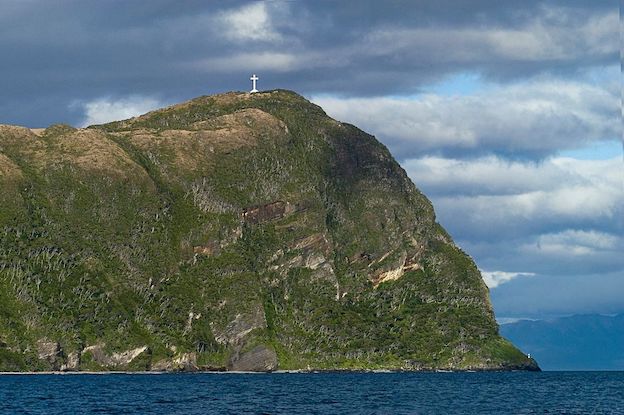
Cape Froward, Chile



Welcome to the World’s Largest New Year’s Celebration
For those traveling from North, Central, or South America, New Year's Eve in Rio offers a rich narrative about how a city can transform a universal holiday into a unique celebration, rooted in local traditions and open to the world.
















|
Experiences Finder
(Search our catalog of Experiences here.) |
|---|