|
Pan American Experiences
|
------- |

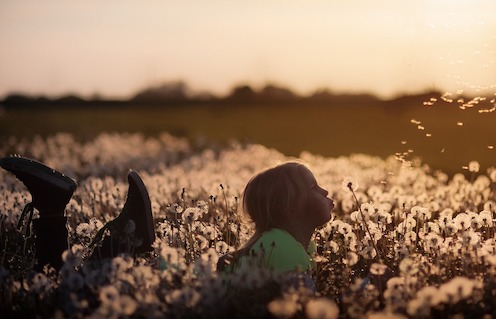
Unusual rains have temporarily transformed North America’s driest desert into a landscape covered with vibrant wildflowers. Image: jplenio de Pixabay.
Miami Fontainebleau: Architecture that Conquered Cinema
Get a Glimpse of a Simpler Life with the Amish Communities of Missouri and Iowa |
UNITED STATES ------------------------------------------1256[EXPERIENCE] | |||
Every Year, the Rare Desert Bloom Transforms Death ValleyA spectacular wildflower season reshapes the driest landscape in North AmericaBy Heydi Bernal for Ruta Pantera on 3/20/2026 7:35:49 AM |
||||
| Death Valley, in California, known as the hottest place on Earth and one of North America’s most arid landscapes, experiences each year an extraordinary natural phenomenon that attracts scientists, photographers, and travelers from around the world. After seasons of unusual rainfall, large areas of the desert are covered with blankets of yellow, violet, and pink wildflowers, creating a striking visual contrast in one of the planet’s most extreme environments.
The United States National Park Service confirms each year that some seasons feature above-average blooms, a rare occurrence in a region where climate conditions normally prevent seeds from germinating regularly. Although Death Valley experiences occasional blooms following wet periods, park specialists note that some displays can be truly impressive, transforming vast areas of the valley into a vibrant natural spectacle. These dramatic desert blooms only occur when very specific environmental conditions align. Desert wildflower seeds can remain dormant in the soil for many years, protected by natural coatings that prevent premature germination. When sufficient rainfall arrives, these protective layers break down, allowing seeds to absorb moisture and begin the delicate process of germinating in soil that is normally dry and inhospitable. The trigger for each significant bloom is usually an unusually wet fall. Rain penetrates deeply into the valley soil, breaking down the protective layers of the seeds and activating thousands of dormant seeds scattered across the desert landscape. Equally important is the subsequent climate. A wetter-than-usual winter provides the consistent moisture needed for root development, allowing fragile seedlings to establish themselves before the intense spring heat returns. Without this second stage of sustained moisture, many desert blooms fail to progress beyond their early growth phases. As a result, large areas of the valley are covered each year by species such as desert gold, sand verbena, evening primrose, and purple phacelia, creating fields of golden and violet hues in areas normally dominated by sand and rock. In some low-elevation regions, particularly in valley bottoms, flowers appear in dense clusters that resemble natural tapestries spread across the desert. |
||||
|
Ecologists emphasize that these blooms are more than a visual spectacle. Wildflower events play a crucial role in desert ecological cycles, providing temporary food sources for insects, birds, and small mammals. Pollinators such as bees and butterflies become especially active during these periods, helping sustain the fragile desert biodiversity.
The phenomenon also sparks renewed interest in nature tourism and environmental observation. Death Valley National Park, which covers more than 3.4 million acres, attracts visitors eager to witness the transformation of a landscape known for extreme temperatures that can exceed 134 °F (56 °C). For now, Death Valley offers an extraordinary reminder of the hidden resilience within desert ecosystems. Beneath the harshest landscapes, countless seeds lie dormant, waiting for the rare moment when rain, temperature, and timing align. When that moment arrives, even the driest valley on the continent can briefly transform into a landscape full of color. |
||||
 Add this article to your favorites
[FOR MEMBERS ONLY]
Add this article to your favorites
[FOR MEMBERS ONLY]
Copy this link to send this article to a friend: [FOR MEMBERS ONLY] |
||||

|
|
||||
|---|---|---|---|---|
| |
|
|
|
|
×
|
||||
|
References: National Park Service. (2026). Wildflower bloom updates in Death Valley National Park. U.S. Department of the Interior. NOAA. (2026). Climate patterns and rainfall anomalies in the American Southwest. National Oceanic and Atmospheric Administration. Desert Research Institute. (2025). Desert ecosystems and rainfall-triggered wildflower blooms. BBC News. (2026). Wildflowers cover Death Valley in best display since 2016. |
||||
Please leave a comment about this article: 1256 |
|
| Enter your email address: |
Your email will not be displayed. |
| Your nickname: | |
| Your comment: | |
| Was this article helpful to you? | |
|
|
|
Articles about exciting travel experiences in our hemisphere.
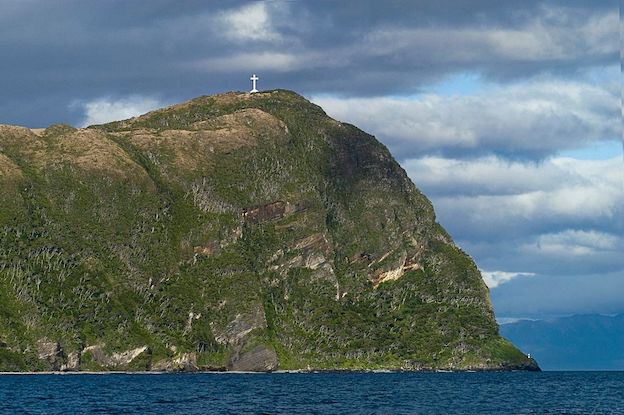
Cape Froward, Chile


Welcome to the World’s Largest New Year’s Celebration
For those traveling from North, Central, or South America, New Year's Eve in Rio offers a rich narrative about how a city can transform a universal holiday into a unique celebration, rooted in local traditions and open to the world.








|
Experiences Finder
(Search our catalog of Experiences here.) |
|---|