|
Pan American Experiences
|
------- |

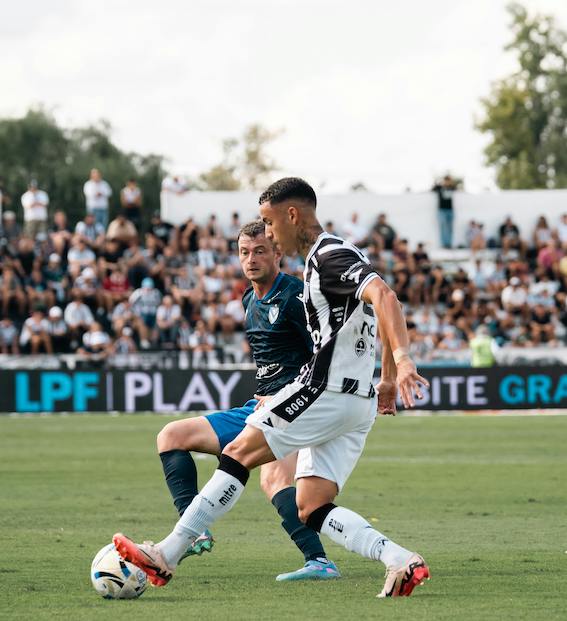
The global language of football reflects emotion, identity, and cultural diversity, revealing how the sport is experienced far beyond the pitch. Photo by Mateo Franciosi (Pexels).
Six Places in the Americas where You Can Still Hear Real Silence |
------------------------------------------1263[FEATURE] | |||
Are You FIFA-Ready?A Living Glossary to Understand—and Feel—Global FootballBy Heydi Bernal for Ruta Pantera on 5/7/2026 5:47:38 AM |
||||
| Football isn’t learned only by watching matches. It’s learned by listening. In stadiums, on the streets, and through passionate commentary that travels from Argentina to Inglaterra, passing through Brasil, España, Italia, México, and Colombia. Each country has built its own footballing language to describe the same thing: eleven players chasing a ball—and millions of people trying to explain it through emotion, creativity, and culture. As a FIFA World Cup approaches, understanding that language becomes almost as important as knowing the rules. Because when someone shouts “what a goal!”, they’re not just describing a play—they’re expressing a shared experience. In the Río de la Plata, for instance, football is spoken from the heart. It’s not enough to play well; you have to “show grit,” to compete with courage. A player may “dribble past” opponents with elegance, but if he hesitates at the key moment, he loses respect. There, “showboating” can be an art form, while playing rough reflects a tense, physical match. And when a striker delicately chips the ball over the goalkeeper, it’s one of the most refined—and humiliating—ways to score. In Brasil, the language turns into dance. Football becomes *jogo bonito*, a celebration of beauty where dribbling is not only effective but entertaining. A player might nutmeg an opponent, lift the ball over a defender, or improvise a flashy move simply for the joy of it. Scoring a “museum-worthy goal” means creating something unforgettable. Further north, in España, the language sharpens tactically. Terms like off-the-ball movement, playing between the lines, and threading a pass define the conversation. Football here is almost choreographed. Slowing the game down isn’t a lack of ambition—it’s control. Breaking defensive lines requires intelligence as much as skill. In Inglaterra, intensity dominates. The game is physical and direct. Teams may press high or “park the bus,” defending deep with everyone behind the ball. A box-to-box midfielder covers every inch of the pitch, while a clinical striker rarely misses. And when someone fails under pressure, fans say they “bottled it”—a blunt acknowledgment that the moment proved too big. Italy adds another dimension: calculation. In Italia, expressions reflect discipline and strategy. Closing spaces, anticipating plays, and managing the result reveal a philosophy where winning often means enduring. Not everything is spectacle—much is control. Across Latin America, the language blends with street culture. In México, players might dive, strike the ball with spin, or go all in with intensity. In Colombia, terms evoke flair and improvisation—feints, outplaying defenders, and adding “flavor” to the game. Football here isn’t just played; it’s lived. Beyond regional differences, there’s a universal vocabulary heard in every stadium. A “thriller” describes a high-quality match. A “comeback” tells of resilience. A “sure goal” becomes unforgettable when missed. An “upset” shocks expectations, and an “open game” signals chaos—end-to-end action without control. Then come the chants and shouts that need no translation. “Shoot!” fans cry. “He’s open!” they warn. “Clear it!” they demand. In those moments, spectators stop being passive—they become part of the game. This glossary is not just a list of terms. It is an entry point into how different cultures experience the same sport. Because football, at its core, is universal—but its language is deeply local. So when the next FIFA World Cup begins, don’t just watch the ball. Listen. In every word, every chant, every expression, there is a story. And understanding it may be the truest way to be FIFA-ready. |
||||
|
These are some of the most commonly heard concepts and expressions within the world of soccer. Advantage Rule A moment of instinct and fairness. The referee allows the play to breathe, trusting the flow over interruption. Assist The quiet prelude to glory. The pass that makes the goal possible. Attacking Third The final frontier. Every touch here carries intention, every movement whispers possibility. Back Heel A flick of rebellion. Unexpected, stylish, and deeply human. Ball Control The first connection. Where chaos becomes possession. Bicycle Kick A suspended miracle. For a second, gravity is only a suggestion. Block A body in defiance. The refusal to concede. Breakaway A race against destiny. One player, one goalkeeper, one moment. Build-Up Play Patience in motion. The architecture behind every goal. Captain More than a leader an emotional compass wearing an armband. Center Back The spine of resistance. Calm within pressure. Chip Shot A soft defiance. The ball floats, teasing inevitability. Clearance A breath of survival. Danger, momentarily erased. Clean Sheet Defensive perfection. Silence where there could have been noise. Counterattack Velocity unleashed. Defense transforms into opportunity in a heartbeat. Cross A delivery of hope. From the edges to the heart of the game. Dead Ball Stillness before impact. A pause charged with intention. Derby More than rivalry identity, history, and pride colliding. Direct Free Kick Precision under pressure. A direct conversation with the goal. Dribbling The art of evasion. A dance between control and chaos. Extra Time When endings refuse to arrive. Fatigue meets resilience. False Nine Absence as strategy. A striker who disappears to create. Foul The moment harmony breaks. Free Kick A crafted opportunity. Stillness turned into design. Fullback Endurance on the edges. Always moving, always connecting. Goal The universal cry. Joy condensed into a single instant. Goalkeeper The last line, the loneliest role. Hero or heartbreak. Handball A forbidden touch. A break in the game’s natural language. Hat Trick Three echoes of brilliance. A performance remembered. Header Elevation and timing. Precision above the ground. High Press Relentless pursuit. Denying the opponent time to exist. Indirect Free Kick A shared intention. The goal must be built together. Injury Time Borrowed moments. Where fate often intervenes. Kickoff The first heartbeat of the match. Midfielder The rhythm keeper. Everything flows through them. Offside An invisible line that defines fairness and frustration. Penalty Kick Pure tension. A duel between certainty and doubt. Penalty Shootout Football reduced to nerves. A theater of pressure. Pitch The stage. Where every story unfolds. Playmaker The mind of the game. Vision before action. Possession Control, or the illusion of it. Red Card The end of participation. A sudden absence. Referee The silent authority. Seen most when things go wrong. Set Piece Chaos organized. Strategy within stillness. Striker The final touch. Where intention must become outcome. Substitution A shift in energy. Fresh legs, new narratives. Tackle A calculated risk. Precision over force. Through Ball A line drawn through space. Vision made real. Volley No hesitation. Instinct meets execution. Yellow Card A warning. The line has been approached. |
||||
 Add this article to your favorites
[FOR MEMBERS ONLY]
Add this article to your favorites
[FOR MEMBERS ONLY]
Copy this link to send this article to a friend: [FOR MEMBERS ONLY] |
||||
|
|
||||
|---|---|---|---|---|
| |
|
|
|
|
×
|
||||
|
References: FIFA. (n.d.). Laws of the Game. Fédération Internationale de Football Association. Wilson, J. (2013). Inverting the Pyramid: The History of Football Tactics. Orion Publishing. Goldblatt, D. (2008). The Ball is Round: A Global History of Soccer. Riverhead Books. Foer, F. (2004). How Soccer Explains the World. Harper Perennial. Galeano, E. (1995). Soccer in Sun and Shadow. Verso. |
||||
Please leave a comment about this article: 1263 |
|
| Enter your email address: |
Your email will not be displayed. |
| Your nickname: | |
| Your comment: | |
| Was this article helpful to you? | |
|
|
|
Articles about exciting travel experiences in our hemisphere.

Cape Froward, Chile





Welcome to the World’s Largest New Year’s Celebration
For those traveling from North, Central, or South America, New Year's Eve in Rio offers a rich narrative about how a city can transform a universal holiday into a unique celebration, rooted in local traditions and open to the world.















|
Experiences Finder
(Search our catalog of Experiences here.) |
|---|