|
Pan American Experiences
|
------- |

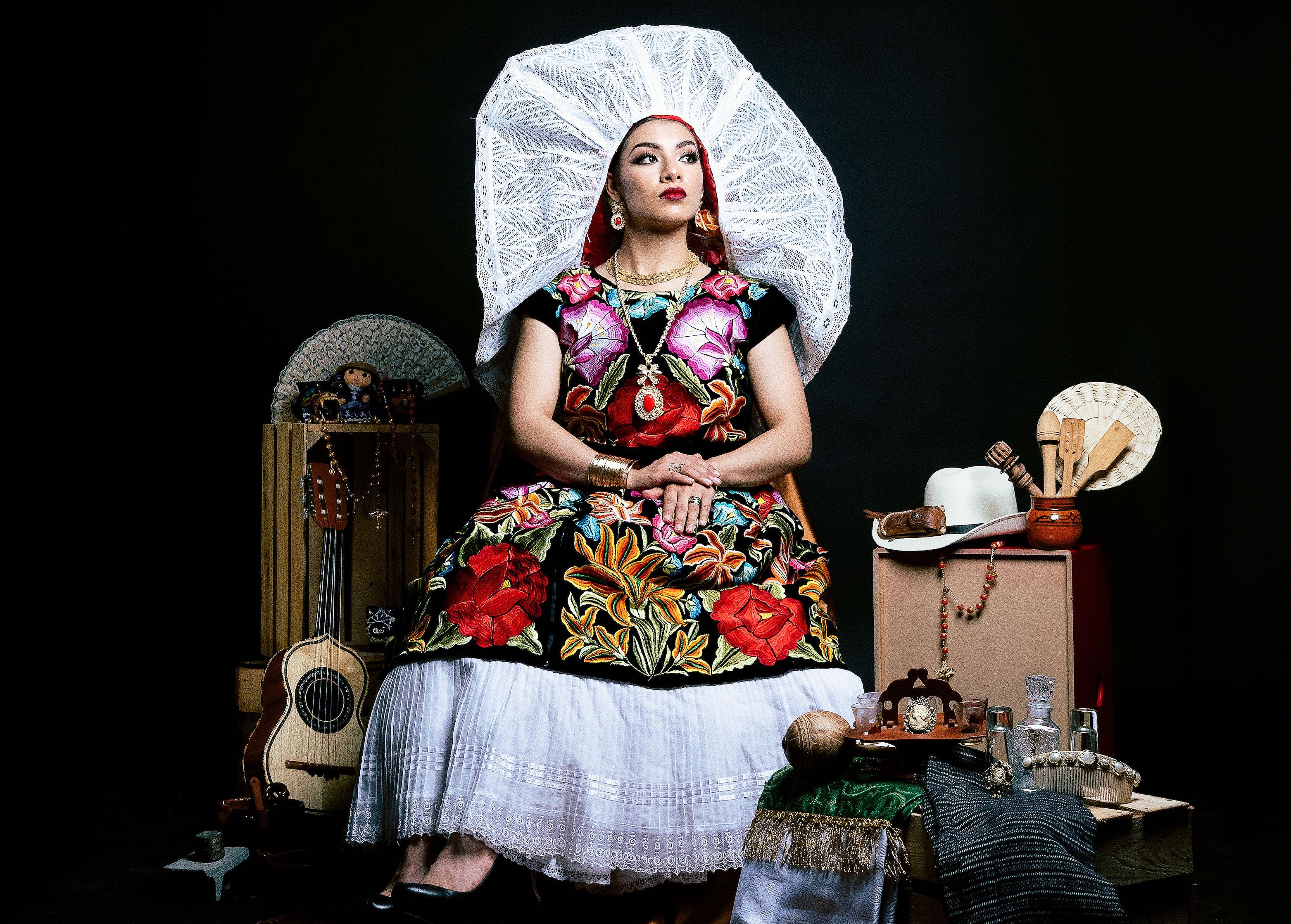
Photo by Vladimir Flores on Pexels.
Ancient Paths of the Great American Civilizations
Grave Watching: The Spookiest Cemeteries and Sacred Burial Grounds of the Americas
Follow the Liberator: A Journey Through Simón Bolívar's Legacy Across Colombia and Venezuela
|
HEMISPHERE ------------------------------------------975[TRAVEL+CULTURE] | |||
Dressed to ResistWhen Fashion Becomes PoliticalBy Jazmin Agudelo for Ruta Pantera on 10/29/2026 11:23:18 AM |
||||
| From Indigenous textiles in Mexico to feminist protest clothing in Argentina and Indigenous-led design in Brazil, Latin American fashion is increasingly becoming a language of identity, resistance and environmental responsibility. A T-shirt can carry a political slogan, an embroidered blouse can preserve generations of knowledge, and a garment made with locally sourced materials can challenge the idea that fashion must depend on constant production and synthetic fibers. In this context, clothing becomes more than something people wear: it can communicate belonging, confront discrimination, preserve cultural memory and question who has the right to tell the stories represented through fashion.
Mexico: Who Owns a Cultural Tradition? In Mexico, textiles can carry histories that extend far beyond their visual appeal. Embroidery, weaving techniques, patterns and materials often reflect the knowledge and collective memory of Indigenous communities that have maintained these practices across generations. The controversy begins when these cultural expressions are transformed into commercial products without meaningful authorization, recognition or compensation. In May 2021, Mexico’s Ministry of Culture publicly questioned Zara, Anthropologie and Patowl over designs it said reproduced elements associated with Indigenous communities in Oaxaca. The case illustrated a larger imbalance within the fashion industry: a design developed and protected by a community can acquire commercial value when reproduced by an international brand, while the people who preserved the tradition may receive neither recognition nor economic benefit. The issue is not whether traditional culture can inspire contemporary fashion, because cultural traditions have always evolved and influenced new forms of creativity. The more important question is whether that exchange respects the rights and agency of the communities whose knowledge makes the design possible. Mexico’s Original initiative promotes principles such as recognition of cultural origins, fair payment and responsible commercial use of traditional designs, while cultural authorities have also documented collaborations connecting Indigenous textile knowledge with contemporary design, including projects involving Maya weavers. For travelers, this distinction offers a more meaningful way to approach Mexican fashion: purchasing an embroidered or handwoven garment can become an opportunity to learn who created it, understand the technique behind it and support the communities sustaining the tradition. The garment then becomes more than an aesthetic souvenir; it represents cultural ownership, economic justice and the right of communities to tell their own stories. Argentina: Wearing the Message In Argentina, clothing has become a visible language of political participation, particularly through feminist activism and independent design. The green scarf associated with the movement for legal, safe and free abortion became one of the country’s most recognizable symbols of feminist mobilization. Its significance came partly from its ability to move beyond demonstrations: it could accompany someone to work, university, a public gathering or an ordinary afternoon in Buenos Aires, transforming a political symbol into something present in everyday life. Fashion can communicate political ideas in similarly direct ways, whether through slogans, symbols or designs that challenge conventional expectations about gender, sexuality and the body. Independent designers have also explored the relationship between fashion and political expression. Buenos Aires-based designer Emme Vazquez, for example, has developed a practice connecting clothing with feminist ideas, using irony and provocative messages to question gender expectations and structures of oppression. Her approach also emphasizes smaller-scale production and fairer working relationships, demonstrating that the politics of fashion can exist not only in what a garment says but also in how it is produced. Argentina’s economic realities make this especially relevant because independent designers working with local workshops and limited production runs face high production costs and changing consumer priorities. Choosing a locally produced garment can therefore support independent creativity, recognize the labor behind clothing and challenge the expectation that fashion should always be inexpensive, disposable and frequently replaced. Brazil: Indigenous Fashion Beyond the Runway Brazilian Indigenous designers are using contemporary fashion to challenge the marginalization of Indigenous communities and demonstrate that ancestral knowledge is not simply something belonging to the past. Their work brings Indigenous perspectives into conversations about identity, technology, sustainability and the future while questioning an industry that has often treated Indigenous cultures as sources of inspiration rather than recognizing Indigenous people as contemporary creators. Sioduhi Waíkhᵾn, a designer from the Pira-tapuya people of the Alto Rio Negro region in Amazonas, is one example. Through Sioduhi Studio, he combines Indigenous knowledge and Amazonian materials with contemporary design and describes the approach as Indigenous futurism, connecting ancestral technologies with modern aesthetics and local creative economies. The development of ManioColor, a textile dye based on Amazonian cassava bark, illustrates how traditional knowledge can become a source of material innovation rather than being treated as static heritage. The studio also emphasizes sustainable raw materials and production processes connected to communities in Amazonas. Other designers, including Day Molina, founder of Nalimo, draw from Indigenous heritage while challenging conventional representations of Indigenous identity and promoting greater inclusion in fashion. These creators have different backgrounds and practices, but their work shares an important principle: Indigenous communities should be recognized as authors of contemporary culture rather than simply as visual references for others. In Brazil, this conversation also connects fashion with broader questions of Indigenous rights, territory and environmental protection, particularly in the Amazon. Fashion cannot replace political representation or territorial rights, but Indigenous-led design can communicate the relationship between cultural survival, ancestral knowledge and the environments in which those traditions developed. |
||||
|
The Politics of Fabric
The political meaning of fashion does not begin with slogans or symbols; it can begin with the material itself. Cotton, linen, wool and other natural fibers are often presented as alternatives to petroleum-derived synthetics because they can offer possibilities related to durability, repair, biodegradability and local production. Yet no material is automatically sustainable simply because it comes from nature. Cotton can require significant water and agricultural inputs, linen has its own environmental considerations, and wool is associated with land use and livestock. Synthetic fibers, meanwhile, contribute to dependence on fossil resources and can release microplastics during washing. The environmental impact of clothing therefore depends on the entire production chain, including how fibers are produced, how garments are dyed and finished, how workers are treated, how long clothing remains in use and what happens when it is discarded. This broader perspective changes the meaning of responsible fashion. Choosing natural fibers may reduce dependence on fossil-based materials, while buying from transparent local producers can support a different economic model. However, repairing an existing garment and wearing it for years may challenge disposable fashion more effectively than simply replacing one synthetic garment with a newly purchased natural-fiber alternative. For Indigenous communities, material choices can have additional cultural significance because fibers, dyes and techniques may be connected to specific territories, ecological knowledge and cultural practices. The challenge is therefore to avoid turning sustainability into another marketing label. A natural-fiber garment produced under exploitative conditions or through an opaque supply chain is not automatically an ethical purchase. Asking who made the garment, where its materials came from, whether workers were fairly compensated, whether cultural knowledge was used with permission and how long the garment is likely to last provides a more meaningful way to evaluate what responsible fashion actually means. Beyond the Runway: What We Choose to Wear Fashion cannot resolve the inequalities that shape Latin American societies. A slogan printed on a T-shirt cannot replace political organizing, and an Indigenous-inspired collection cannot substitute for the protection of ancestral territories. Not every garment needs to communicate an explicit political message either. Yet clothing occupies a distinctive position in public life because it is visible, portable and closely connected to how people understand themselves and recognize others. In Mexico, the debate surrounding Indigenous textiles raises questions about cultural ownership, recognition and economic justice. In Argentina, activist clothing demonstrates how a shared symbol can extend the presence of a social movement into everyday life. In Brazil, Indigenous-led fashion challenges the exclusion of Indigenous creators while connecting cultural knowledge with contemporary innovation. Together, these examples reveal that the politics of fashion extends far beyond the message printed on a garment. It includes the person who designed it, the workers who produced it, the community whose knowledge influenced it and the environmental consequences of the materials used to make it. For travelers, this perspective offers a more thoughtful way to engage with fashion across Latin America. Instead of asking only whether a garment looks beautiful or fashionable, travelers can ask where it came from, who created it, what its materials represent and who benefits from its sale. Sometimes resistance is written across a shirt; sometimes it is embroidered into a tradition that has survived for generations; and sometimes it begins with something much simpler: asking where our clothes come from and who deserves to benefit from the stories they carry. |
||||
 Add this article to your favorites
[FOR MEMBERS ONLY] Copy this link to send this article to a friend: [FOR MEMBERS ONLY] |
||||
|
|
||||
|---|---|---|---|---|
| |
|
|
|
|
×
|
||||
|
References: Cambridge University. (2026, March 2). Scarves and struggles – How activists mobilise with symbols. Gonville & Caius College. Cambridge University – Scarves and struggles Emme Vazquez. (n.d.). About. Emme Vazquez – About Gobierno de México, Secretaría de Cultura. (2021, May 28). La Secretaría de Cultura pide explicación a las marcas Zara, Anthropologie y Patowl por apropiación cultural en diversos diseños textiles. Secretaría de Cultura de México Instituto Europeo di Design. (2024, April 24). Talk | Moda decolonial e a representatividade indígena. IED Brasil – Moda decolonial e representatividade indígena King's College London. (2020, September 17). The “Pañuelo Verde” across Latin America: A symbol of transnational and local feminist (re)volution. King's College London – The “Pañuelo Verde” Molina, D. (n.d.). Conheça Day Molina. Day Molina – Conheça Day Molina Original. (n.d.). Decálogo Original. Secretaría de Cultura, Gobierno de México. Decálogo Original Ramírez Morales, M. del R., & Felitti, K. (2020). Pañuelos verdes por el aborto legal: historia, significados y circulaciones en Argentina y México. Encartes, 3(5). https://doi.org/10.29340/en.v3n5.132 revista.encartes.mx Turok, M. (2021, January 11). Who profits from ethnic labels? UNESCO. UNESCO – Who profits from ethnic labels? United Nations Convention to Combat Desertification. (2024). Fashion & Land: Unravelling the environmental impacts of fibre. UNCCD. UNCCD – Fashion & Land |
||||
Please leave a comment about this article: 975 |
|
| Enter your email address: |
Your email will not be displayed. |
| Your nickname: | |
| Your comment: | |
| Was this article helpful to you? | |
|
|
|
Articles about exciting travel experiences in our hemisphere.


Cape Froward, Chile




Welcome to the World’s Largest New Year’s Celebration
For those traveling from North, Central, or South America, New Year's Eve in Rio offers a rich narrative about how a city can transform a universal holiday into a unique celebration, rooted in local traditions and open to the world.

















|
Experiences Finder
(Search our catalog of Experiences here.) |
|---|