 |
So Many Places To Visit!
|
----------- |

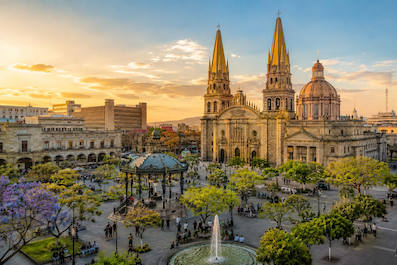
Guadalajara glows at sunset around its historic cathedral, where elegant colonial architecture, leafy plazas, fountains, and vibrant city life capture the cultural spirit of Jalisco. 
Mexico Related Articles: |
MEXICO -- METROPOLIS -----------------106[ARTICLE] | |||
Guadalajara, MéxicoThe Cultural Heart of Jalisco Where Tradition, Design, and Modern Mexico MeetBy Marbel Montoya for Ruta Pantera on 9/9/2026 8:44:58 PM |
||||
|
Guadalajara is one of Mexico's most distinctive cities, a destination where historic architecture, mariachi music, traditional crafts, contemporary design, and an energetic culinary scene come together. As the capital of Jalisco and one of Mexico's largest metropolitan areas, Guadalajara has played an important role in shaping many of the cultural symbols internationally associated with Mexico. Tequila, mariachi, charro traditions, and distinctive regional cuisine are all closely connected to the wider cultural landscape of Jalisco. A Historic Center at the Heart of the City Guadalajara's historic center is organized around a series of plazas, churches, civic buildings, and pedestrian areas that reveal the city's colonial origins. The Plaza de Armas, Plaza Guadalajara, Plaza de la Liberación, and Plaza Tapatía create a connected urban landscape where visitors can move between major landmarks on foot. The Guadalajara Cathedral dominates the historic center with its distinctive towers and combination of Gothic, Baroque, and Neoclassical influences. Construction began during the 16th century, although earthquakes and later renovations altered portions of the building over time. Its twin towers have become one of the defining symbols of the city. Nearby, the Palacio de Gobierno del Estado de Jalisco combines colonial architecture with important political and artistic history. Its interior contains murals by José Clemente Orozco, one of Mexico's most important muralists, whose monumental works portray themes connected to revolution, social justice, and Mexican identity. |
||||

|
The Cultural Legacy of Jalisco Guadalajara is often described as the cultural capital of western Mexico, and its traditions extend far beyond the city itself. The surrounding state of Jalisco is closely associated with mariachi, tequila production, charro culture, and regional crafts that have become internationally recognized symbols of Mexico. Mariachi is particularly important to the city's identity. The music developed in western Mexico and eventually became one of the country's most recognizable cultural expressions. Visitors can experience live mariachi performances throughout Guadalajara, especially in traditional restaurants, plazas, and venues dedicated to regional music. The annual Mariachi Festival brings musicians and performers from Mexico and other countries together for concerts, parades, competitions, and cultural events. The celebration demonstrates how a regional musical tradition has evolved into an international cultural phenomenon. Hospicio Cabañas and Monumental Art The Hospicio Cabañas is one of Guadalajara's most important architectural and cultural landmarks. Built at the end of the 18th and beginning of the 19th centuries, the enormous complex originally served as a charitable institution. Today it houses the Instituto Cultural Cabañas and is recognized as a UNESCO World Heritage Site. The building's architecture is particularly impressive because of its scale, courtyards, vaulted spaces, and distinctive chapel. Inside, visitors can see some of José Clemente Orozco's most important murals, including the monumental image known as “El Hombre de Fuego,” or The Man of Fire. The combination of neoclassical architecture and revolutionary muralism makes Hospicio Cabañas one of the city's essential cultural experiences. It also demonstrates the importance of public art in shaping modern Mexican identity. |
|||
 Add this article to your favorites
[FOR MEMBERS ONLY]
Add this article to your favorites
[FOR MEMBERS ONLY]
Copy this link to send this article to a friend: [FOR MEMBERS ONLY] |
||||

|
Tlaquepaque and the Art of Craftsmanship Just outside Guadalajara's central districts, San Pedro Tlaquepaque offers a more intimate experience centered on Mexican craftsmanship, design, and traditional architecture. The neighborhood is famous for ceramics, pottery, glasswork, textiles, furniture, jewelry, and decorative arts. Its pedestrian streets are lined with galleries, artisan workshops, restaurants, boutiques, and colorful historic buildings. Travelers interested in Mexican design can spend hours exploring the stores and studios while observing craftspeople working with traditional materials and techniques. Tlaquepaque also provides an opportunity to experience regional food and live music in a slower-paced setting. Courtyards, fountains, gardens, and brightly decorated restaurants create an atmosphere that contrasts with Guadalajara's larger metropolitan environment. Tequila and the Landscape of Jalisco Guadalajara is also the main gateway to the town of Tequila and the surrounding agave landscape. Located roughly an hour from the city by road, the region is characterized by fields of blue agave, historic distilleries, haciendas, and volcanic landscapes. The landscape surrounding Tequila was declared a UNESCO World Heritage Site in 2006 because of its cultural importance and the centuries-old traditions associated with agave cultivation and tequila production. Visitors can tour distilleries, learn about the production process, walk through agave fields, and taste different styles of tequila. The experience provides an opportunity to understand tequila not simply as a beverage but as part of a larger agricultural and cultural tradition that has shaped Jalisco for centuries. |
|||
| A Modern Culinary and Design Destination Guadalajara's culinary identity combines traditional Jalisco dishes with a rapidly developing contemporary restaurant scene. Birria is perhaps the city's most famous specialty, consisting of slow-cooked meat traditionally served with broth and tortillas. Other regional favorites include tortas ahogadas, carne en su jugo, pozole, and various forms of tacos and antojitos. The city's modern neighborhoods have also developed sophisticated restaurants, cocktail bars, cafés, and design-focused spaces. Areas such as Americana, Lafayette, and Providencia are particularly interesting for travelers interested in contemporary architecture, independent businesses, nightlife, and food. Guadalajara has also developed a strong reputation for design and innovation. The city hosts major design events and has become an important center for architecture, furniture, fashion, technology, and creative industries in Mexico. |
||||
| Markets, Parks, and Everyday Life Mercado San Juan de Dios, also known as Mercado Libertad, is one of the largest indoor markets in Latin America. The enormous building contains hundreds of stalls selling food, clothing, crafts, leather goods, souvenirs, electronics, and regional products. Exploring the market provides a different perspective on Guadalajara, one centered on everyday commerce rather than formal tourism. Food stalls offer opportunities to sample local specialties while navigating the colorful and energetic environment of one of the city's most important public spaces. For a quieter experience, Parque Colomos provides extensive gardens, walking paths, wooded areas, and Japanese-inspired landscaping. It is a popular place for residents to exercise, relax, and escape the intensity of the metropolitan area. Getting There and What to Expect Guadalajara is served by Miguel Hidalgo y Costilla Guadalajara International Airport, located southeast of the metropolitan area. The airport provides domestic connections throughout Mexico as well as international flights to destinations in the United States, Canada, and other parts of Latin America. The city has an extensive public transportation system that includes the light rail, buses, taxis, and rideshare services. Many cultural attractions in the historic center are within walking distance of one another, while transportation becomes more useful when traveling between central Guadalajara, Tlaquepaque, Zapopan, and other metropolitan districts. Guadalajara has a relatively mild climate compared with many other large Mexican cities. The rainy season generally occurs during the summer months, while the winter tends to be drier and somewhat cooler. Spring and autumn are particularly comfortable for exploring the city on foot. Accommodation ranges from historic hotels and boutique properties to contemporary design hotels and international chains. The historic center is convenient for architecture and cultural attractions, while Americana, Lafayette, Providencia, and nearby Zapopan offer more contemporary restaurants, nightlife, and design experiences. A City That Defines Modern Mexican Culture Guadalajara offers travelers an opportunity to experience many of the traditions that have become synonymous with Mexico while discovering a city that is continuously reinventing itself. Historic churches and colonial plazas coexist with contemporary galleries, design studios, restaurants, and creative neighborhoods. Mariachi and tequila connect the city to centuries of Jalisco traditions, while muralism, architecture, gastronomy, and technology demonstrate its modern cultural influence. Guadalajara is therefore more than a destination—it is a place where the traditional and contemporary versions of Mexico meet, creating one of the country's most dynamic urban experiences. |
||||
| --rutapanter.com-- | ||
|
References: UNESCO. (n.d.). Hospicio Cabañas, Guadalajara. https://whc.unesco.org/ UNESCO. (n.d.). Agave Landscape And Ancient Industrial Facilities Of Tequila. https://whc.unesco.org/ Secretaría de Turismo de Jalisco. (n.d.). Turismo Jalisco. https://visitjalisco.com/ Instituto Nacional de Antropología e Historia. (n.d.). Patrimonio Cultural De Jalisco. https://www.inah.gob.mx/
| |
|
| Instagram: | Email contact: | Interest area: Culture |

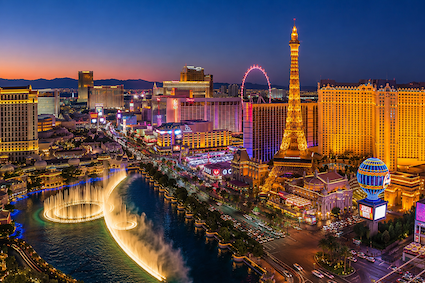
Las Vegas, Nevada, USA
Las Vegas is a city built around spectacle, imagination, and constant reinvention. Rising from the Mojave Desert in southern Nevada, it has transformed from a railroad [read more.]
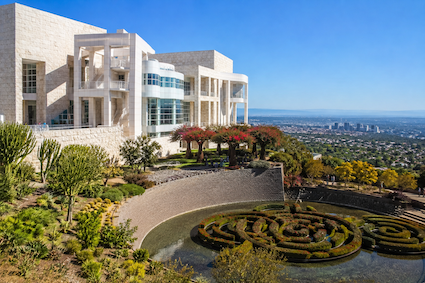
The Getty Center, Los Angeles, California, USA
Perched high in the Santa Monica Mountains above Los Angeles, the Getty Center is much more than a museum. Designed by American architect Richard Meier and opened in 19 [read more.]
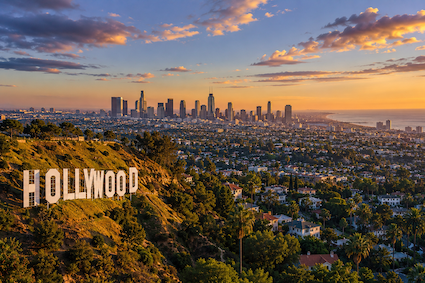
Los Angeles, California, USA
Los Angeles is a city built on movement, creativity, and reinvention. Stretching from the Santa Monica Mountains to the Pacific Ocean, it combines the glamour of Hollyw [read more.]
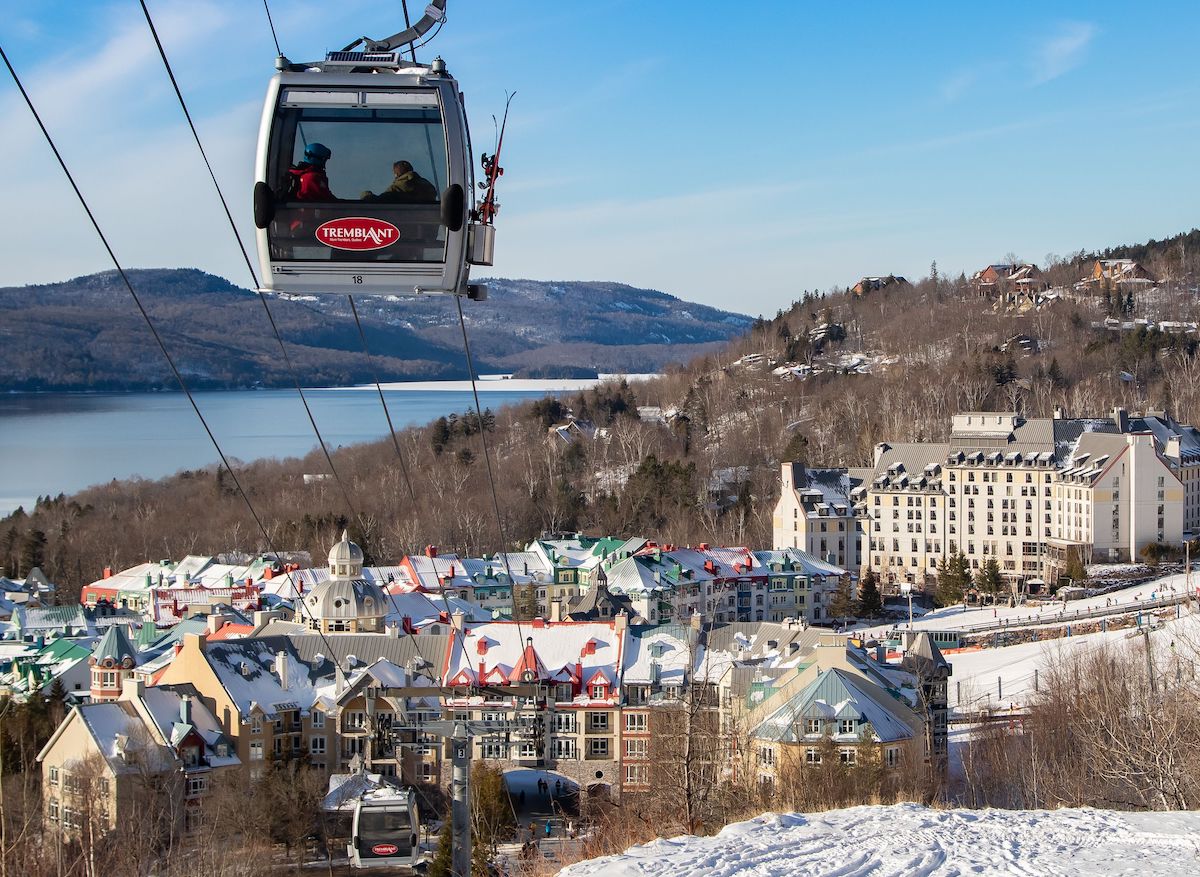
Mont-Tremblant, Canada
Mont-Tremblant, in the province of Quebec, Canada, is a city located in the Laurentian Mountains, about 125 kilometers from Montreal. Although sometimes informally refe [read more.]
To see more Waypoints in North America, please become a member here.
Monterrey, Mexico
Monterrey, capital of Nuevo León, is one of northern Mexico's most important cities and a destination where industrial history, contemporary culture, regional cuisin [read more.]
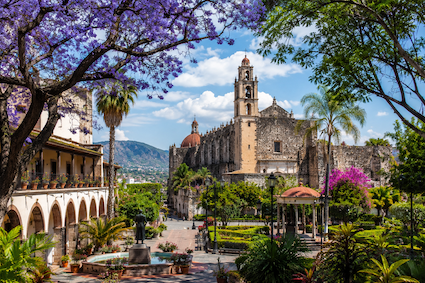
Cuernavaca, México
Cuernavaca is a city of gardens, historic estates, ancient traditions, and a remarkably mild climate. Located in the state of Morelos, approximately 85 kilometers south [read more.]
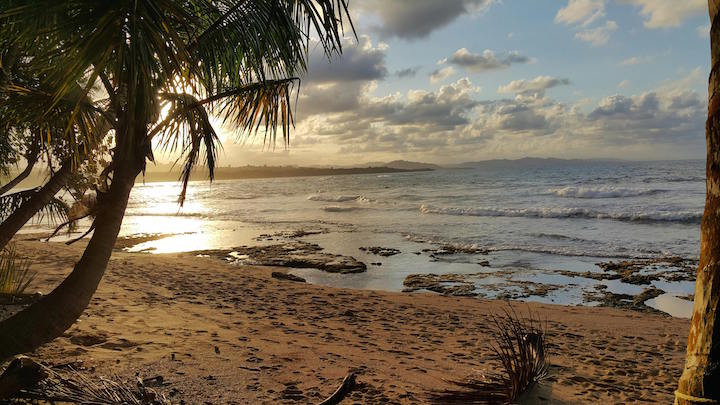
Costa Rica, Lemon
Limón, officially Puerto Limón, is Costa Rica's Caribbean gateway and a city whose identity was shaped as much by migration as by the sea. Christopher Columbus arri [read more.]
Guadalajara, México
Guadalajara is one of Mexico's most distinctive cities, a destination where historic architecture, mariachi music, traditional crafts, contemporary design, and an ene [read more.]
To see more Waypoints in Central America, please become a member here.
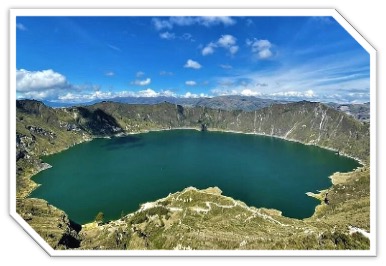
Lagoon Quilotoa, Ecuador
Quilotoa is one of Ecuador’s most spectacular high-altitude landscapes: a water-filled volcanic caldera set at approximately 3,914 meters in the Andes of Cotopaxi Pro [read more.]
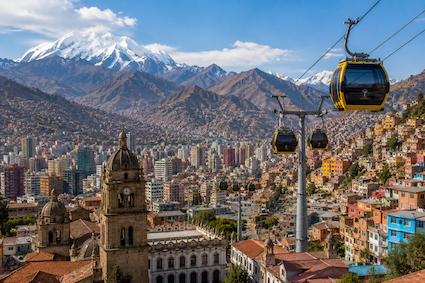
La Paz, Bolivia
La Paz is one of South America's most extraordinary urban destinations, a city built into a dramatic Andean valley where steep hillsides, dense neighborhoods, snow-co [read more.]
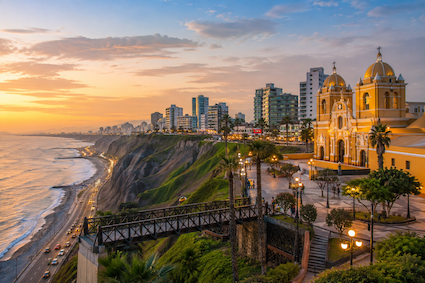
Lima, Perú
Lima is a city where Peru's ancient civilizations, colonial history, Pacific coastline, and contemporary creativity converge. Set along dramatic coastal cliffs overlo [read more.]
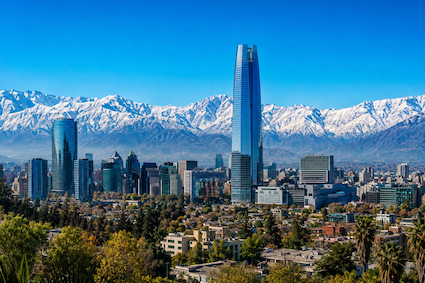
Santiago, Chile
Santiago is a city defined by contrasts: a sophisticated modern capital surrounded by the dramatic peaks of the Andes, a historic center shaped by centuries of Chilean [read more.]
To see more Waypoints in South America, please become a member here.
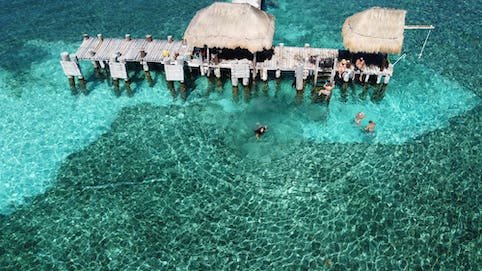
Isla Mujeres, México
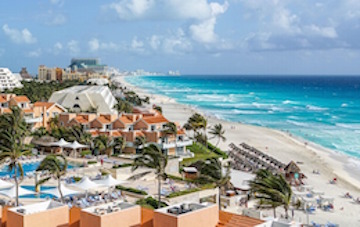
Cancún, Caribbean
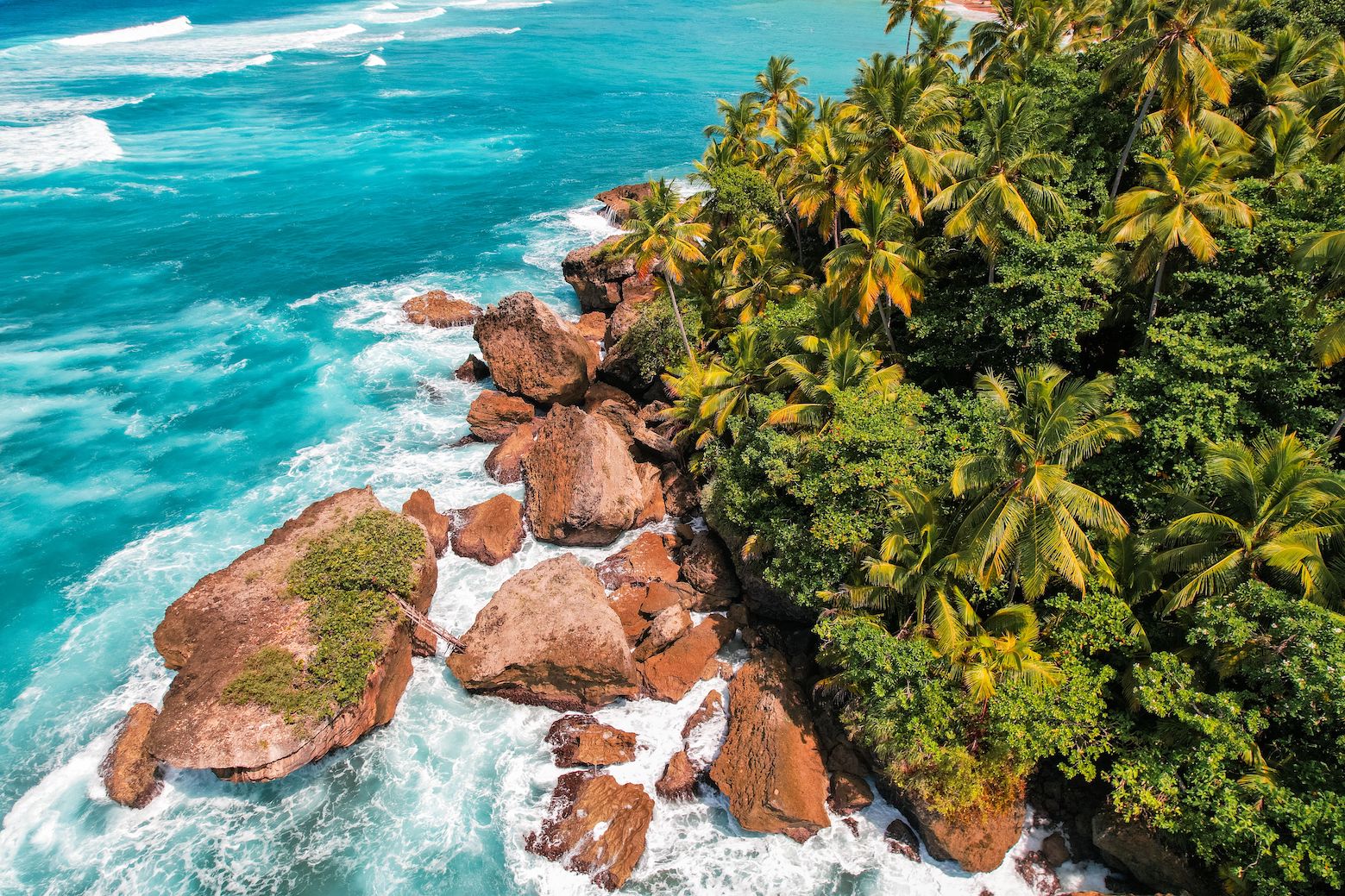
Dominica, Caribbean
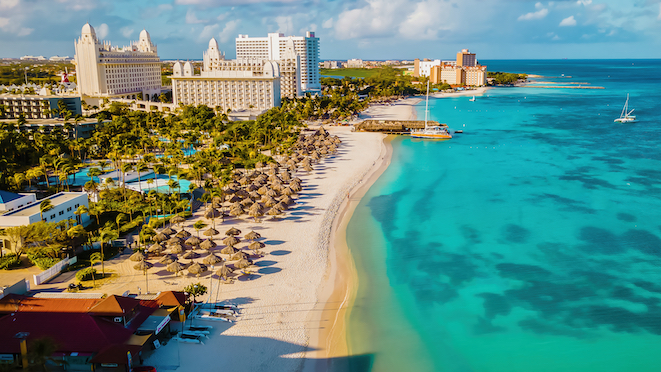
The Bahamas
To see more Waypoints in The Caribbean, please become a member here.

|
Waypoint Finder (Over 1,000 destinations in PanAmerica) |
|---|

Nature
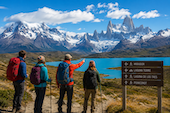
Tours that connect us with nature.
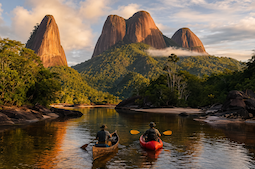
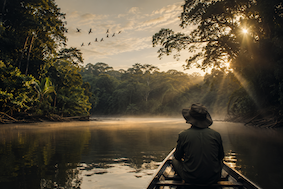
Explore the Tambopata Amazon Reserve
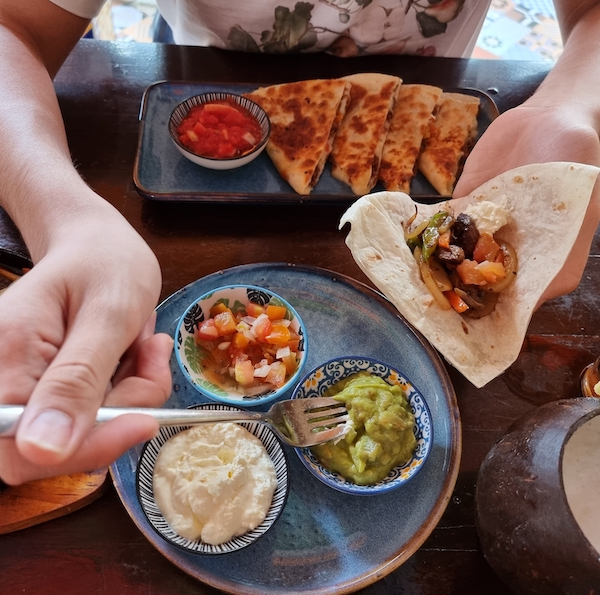
Food & Culture
What's coming up of interest to tourism specialists in Pan America.
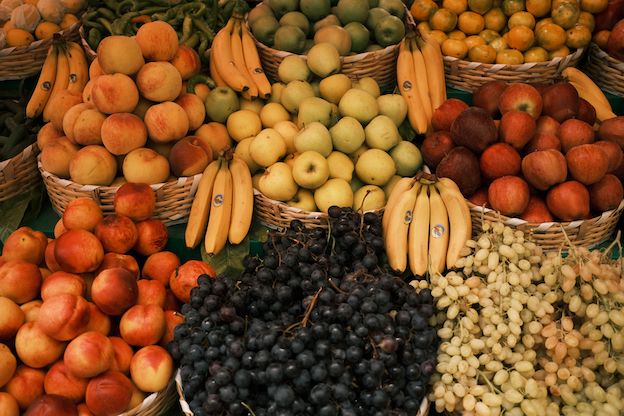
Real City Tours – Exotic Fruits Tour in Medellín, Colombia
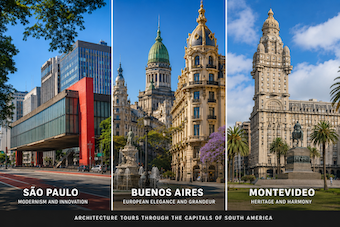
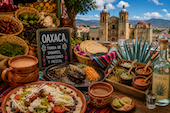
Oaxaca Food & Culture Tour – A Culinary Journey Through Mexico’s Indigenous Flavors
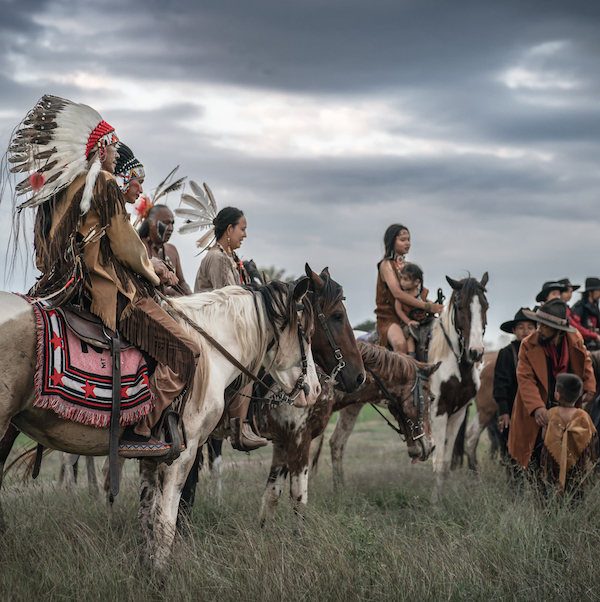
Indigenous Tours
Fashion, romance and wellness for travelers seeking confidence and style.
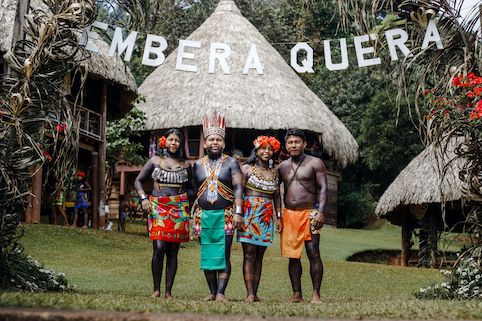
Experience the Emberá of the Darién – On the Only Expedition Operated by An Indigenous Community
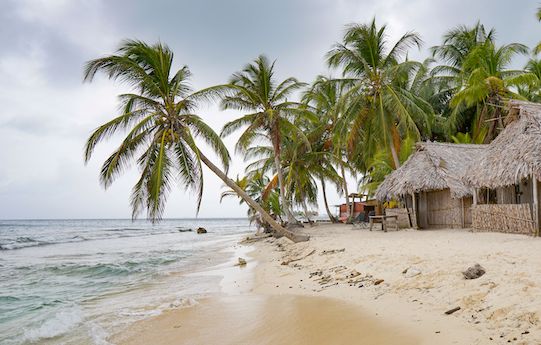
Indigenous Cultural Tour Guna Yala – Discover the Exotic San Blas Islands
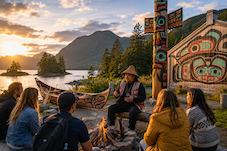
Indigenous Canada Tour – Explore First Nations, Inuit And Métis Cultures
Outdoor Sports
Fashion, romance and wellness for travelers seeking confidence and style.
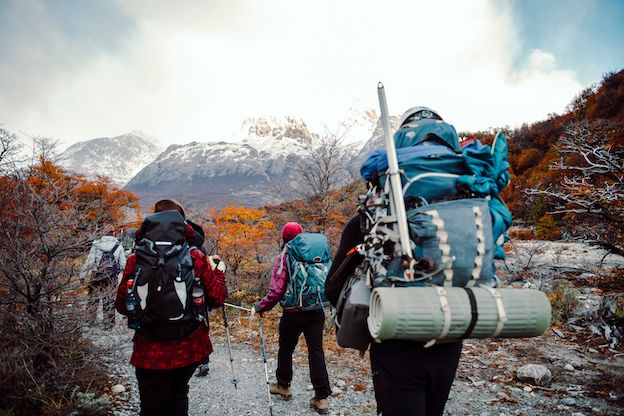
North Patagonia Ice Field Expedition Tour In Chile