 |
So Many Places To Visit!
|
----------- |

Mexico Related Articles: |
MEXICO -- MONUMENT/LANDMARK -----------------109[ARTICLE] | |||
Palenque, MexicoBy Heydi Bernal for Ruta Pantera on 9/9/2026 8:45:11 PM |
||||
|
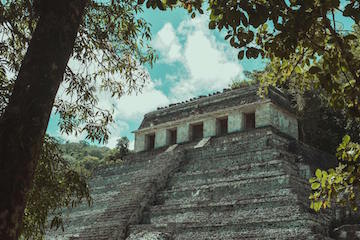
Palenque is one of the most remarkable places in the Maya world, where monumental architecture, rainforest and the history of a powerful ancient dynasty come together. Located in northern Chiapas, Mexico, the city flourished during the Classic Maya period, particularly between the 4th and 8th centuries, and was known by its ancient Maya name, Lakamha’. Today, its archaeological zone is part of a protected national park and has been a UNESCO World Heritage Site since 1987. The modern town of Palenque, a Pueblo Mágico since 2015, is the natural base for exploring the ruins, waterfalls and rainforest of the surrounding region. The City Of Pakal Palenque is especially associated with K’inich Janaab’ Pakal, or Pakal the Great, one of the best-known rulers of the Maya civilization. His reign transformed the city into an important political and artistic center, leaving behind some of the finest architecture and carved inscriptions in the Maya world. The Temple of the Inscriptions contains his funerary monument, discovered in 1952 by archaeologist Alberto Ruz Lhuillier. The Palace, Temple of the Sun, Temple of the Cross and Temple of the Foliated Cross form the architectural heart of the site, while plazas, stairways, sculptures and hieroglyphic texts reveal a sophisticated society concerned with astronomy, religion, dynastic power and history. |
||||

|
Ruins Inside A Living Forest What makes Palenque different from many other Maya sites is the relationship between architecture and jungle. The archaeological area lies within Palenque National Park, where tropical vegetation surrounds the ancient structures and trails. Howler monkeys and numerous bird species can be encountered in the forest, while the wider region is home to wildlife including jaguars and other mammals. The heat and humidity can be intense, so comfortable shoes, water, insect repellent, sun protection and light clothing are essential. The archaeological zone is open daily from 8:00 a.m. to 5:00 p.m., with the last access at 4:00 p.m. |
|||
 Add this article to your favorites
[FOR MEMBERS ONLY]
Add this article to your favorites
[FOR MEMBERS ONLY]
Copy this link to send this article to a friend: [FOR MEMBERS ONLY] |
||||

|
What The Visit Costs For foreign visitors in 2026, admission to the archaeological zone is MXN 210, plus a separate CONANP fee of MXN 215 for Palenque National Park, making the basic visit MXN 425. Mexican nationals and foreign residents of Mexico pay reduced rates. The Alberto Ruz Lhuillier Site Museum is included with archaeological admission and is open Tuesday through Sunday from 8:30 a.m. to 5:00 p.m. Its collection helps explain the city, its rulers, funerary traditions and the discoveries made at the site, including material associated with Pakal. |
|||
| More Than The Archaeological Zone Palenque is also a good base for discovering the natural side of Chiapas. Misol-Há, with its tall waterfall surrounded by tropical vegetation, and the Agua Azul waterfalls are among the best-known excursions. Roberto Barrios offers another series of waterfalls and natural pools, while Aluxes Ecopark focuses on the rescue and conservation of native wildlife. Travelers interested in Maya archaeology can go farther to Bonampak and Yaxchilán, or visit Toniná near Ocosingo. These excursions require more time and should be planned separately rather than squeezed into a single day. The town itself has a strong regional identity, with markets, Chiapas cuisine, crafts and access to communities and landscapes around the jungle. The El Panchán area is known for its informal, nature-oriented atmosphere and restaurants, while local dishes worth trying include tamales chiapanecos, regional mole and other preparations influenced by the culinary traditions of Chiapas. |
||||
| When To Go Palenque has a hot, humid tropical climate, with an average annual temperature around 26°C. The drier period, generally from November through April, is more comfortable for walking and combining the ruins with outdoor excursions. The rainy season is roughly May through October, when heavy rainfall can make trails and waterfall excursions less predictable, although the rainforest is at its greenest. Getting There And Staying Palenque is accessible by road from Villahermosa, Tuxtla Gutiérrez and other destinations in Chiapas and Tabasco. The archaeological zone is about 7 km from the town, inside the national park, while Palenque International Airport is close to the city. For travelers arriving by air, flight schedules should be checked for the dates of travel because connections can be limited compared with larger Mexican airports. Once in town, taxis and local transportation connect the center with the archaeological zone and surrounding attractions. Palenque works best as more than a quick stop. Give the archaeological zone at least half a day, and ideally allow two or three days if you want to combine the ruins with waterfalls, wildlife, local culture or additional Maya sites. The most rewarding approach is to arrive early, explore before the strongest heat, spend time in the museum, and leave room for the forest itself—the landscape that helped preserve Palenque and remains an essential part of understanding it today. |
||||
| --rutapanter.com-- | ||
|
References: Instituto Nacional de Antropología e Historia. Palenque — Zona Arqueológica. Instituto Nacional de Antropología e Historia. Museo de Sitio de Palenque, Alberto Ruz Lhuillier. Gobierno del Estado de Chiapas. Palenque — Pueblos Mágicos. Secretaría de Turismo de México. Palenque, Chiapas.
| |
|
| Instagram: | Email contact: | Interest area: |

Las Vegas, Nevada, USA
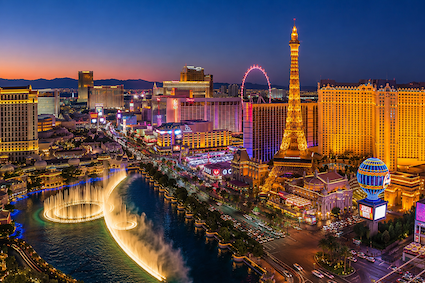
Las Vegas is a city built around spectacle, imagination, and constant reinvention. Rising from the Mojave Desert in southern Nevada, it has transformed from a railroad [read more.]
The Getty Center, Los Angeles, California, USA
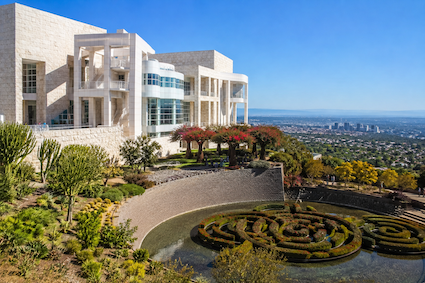
Perched high in the Santa Monica Mountains above Los Angeles, the Getty Center is much more than a museum. Designed by American architect Richard Meier and opened in 19 [read more.]
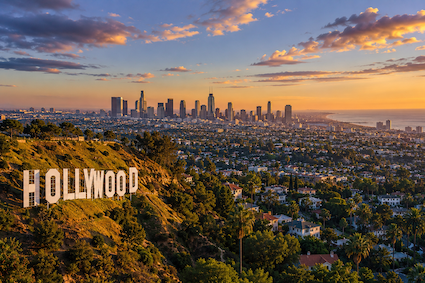
Los Angeles, California, USA
Los Angeles is a city built on movement, creativity, and reinvention. Stretching from the Santa Monica Mountains to the Pacific Ocean, it combines the glamour of Hollyw [read more.]
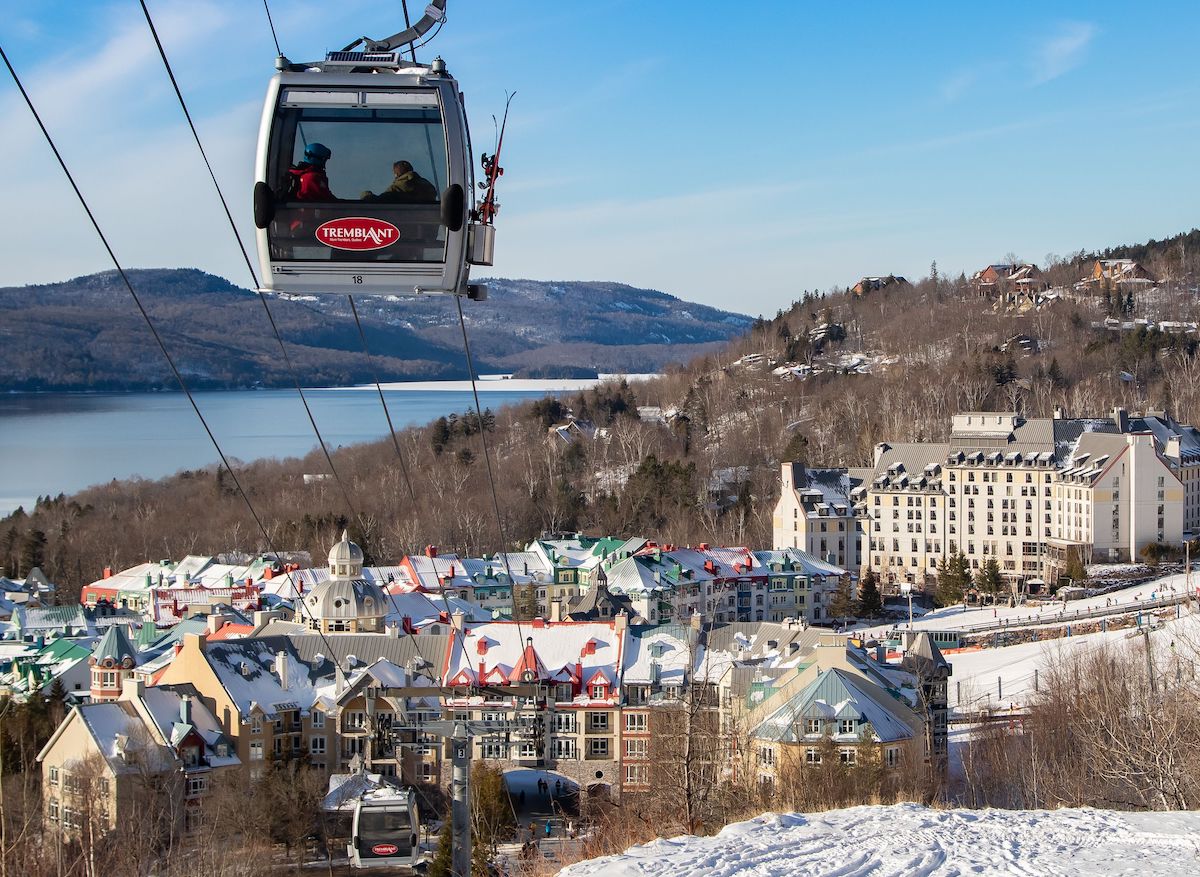
Mont-Tremblant, Canada
Mont-Tremblant, in the province of Quebec, Canada, is a city located in the Laurentian Mountains, about 125 kilometers from Montreal. Although sometimes informally refe [read more.]
To see more Waypoints in North America, please become a member here.
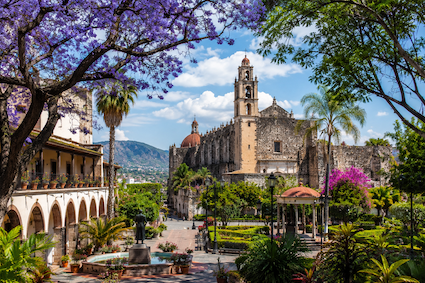
Cuernavaca, México
Cuernavaca is a city of gardens, historic estates, ancient traditions, and a remarkably mild climate. Located in the state of Morelos, approximately 85 kilometers south [read more.]
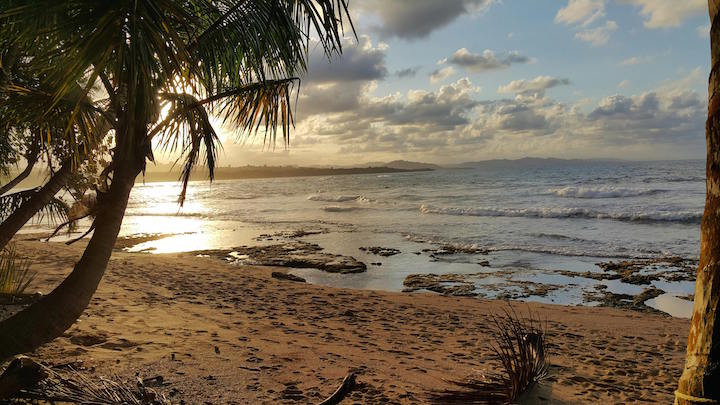
Costa Rica, Lemon
Limón, officially Puerto Limón, is Costa Rica's Caribbean gateway and a city whose identity was shaped as much by migration as by the sea. Christopher Columbus arri [read more.]
Palenque, Mexico
Palenque is one of the most remarkable places in the Maya world, where monumental architecture, rainforest and the history of a powerful ancient dynasty come together. [read more.]
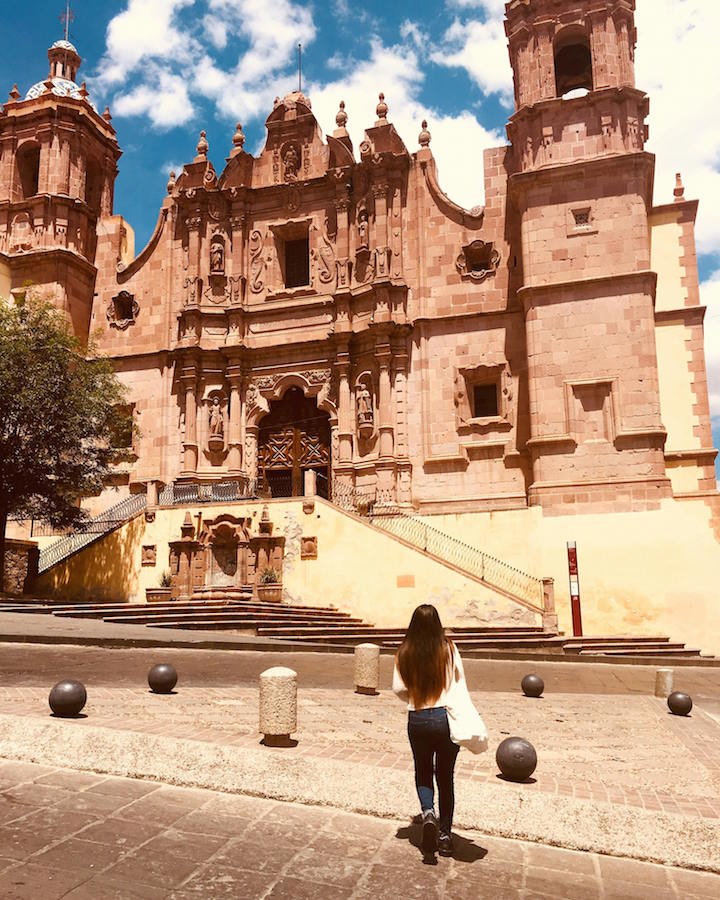
Zacatecas, Mexico
Zacatecas rose from the discovery of rich silver deposits in 1546 to become one of the most prosperous mining centers of New Spain. Built across the steep slopes of a n [read more.]
To see more Waypoints in Central America, please become a member here.
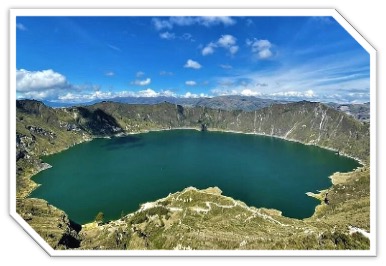
Lagoon Quilotoa, Ecuador
Quilotoa is one of Ecuador’s most spectacular high-altitude landscapes: a water-filled volcanic caldera set at approximately 3,914 meters in the Andes of Cotopaxi Pro [read more.]
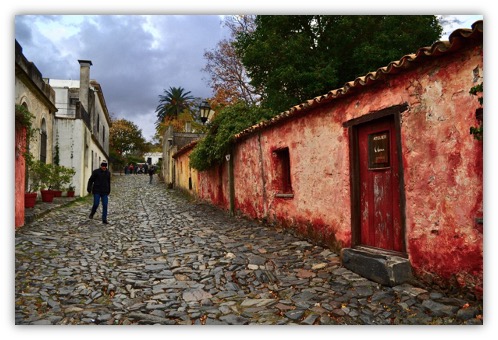
Sacramento Colony, Uruguay.
Colonia del Sacramento is one of Uruguay’s most atmospheric destinations, a small city on the Río de la Plata where Portuguese and Spanish history survives in street [read more.]
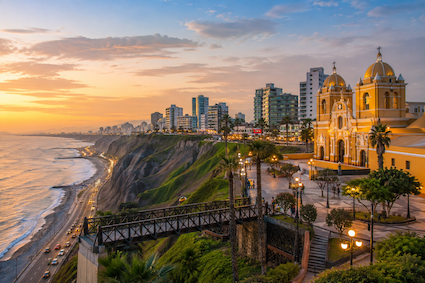
Lima, Perú
Lima is a city where Peru's ancient civilizations, colonial history, Pacific coastline, and contemporary creativity converge. Set along dramatic coastal cliffs overlo [read more.]
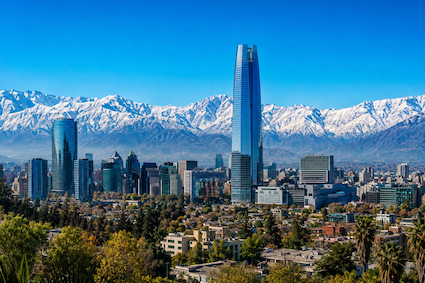
Santiago, Chile
Santiago is a city defined by contrasts: a sophisticated modern capital surrounded by the dramatic peaks of the Andes, a historic center shaped by centuries of Chilean [read more.]
To see more Waypoints in South America, please become a member here.
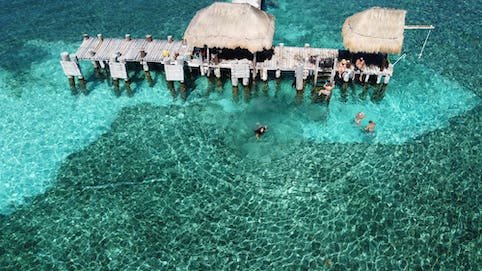
Isla Mujeres, México
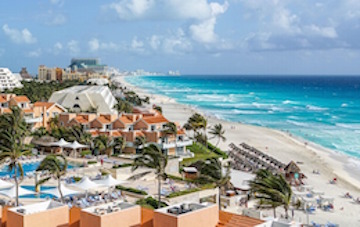
Cancún, Caribbean
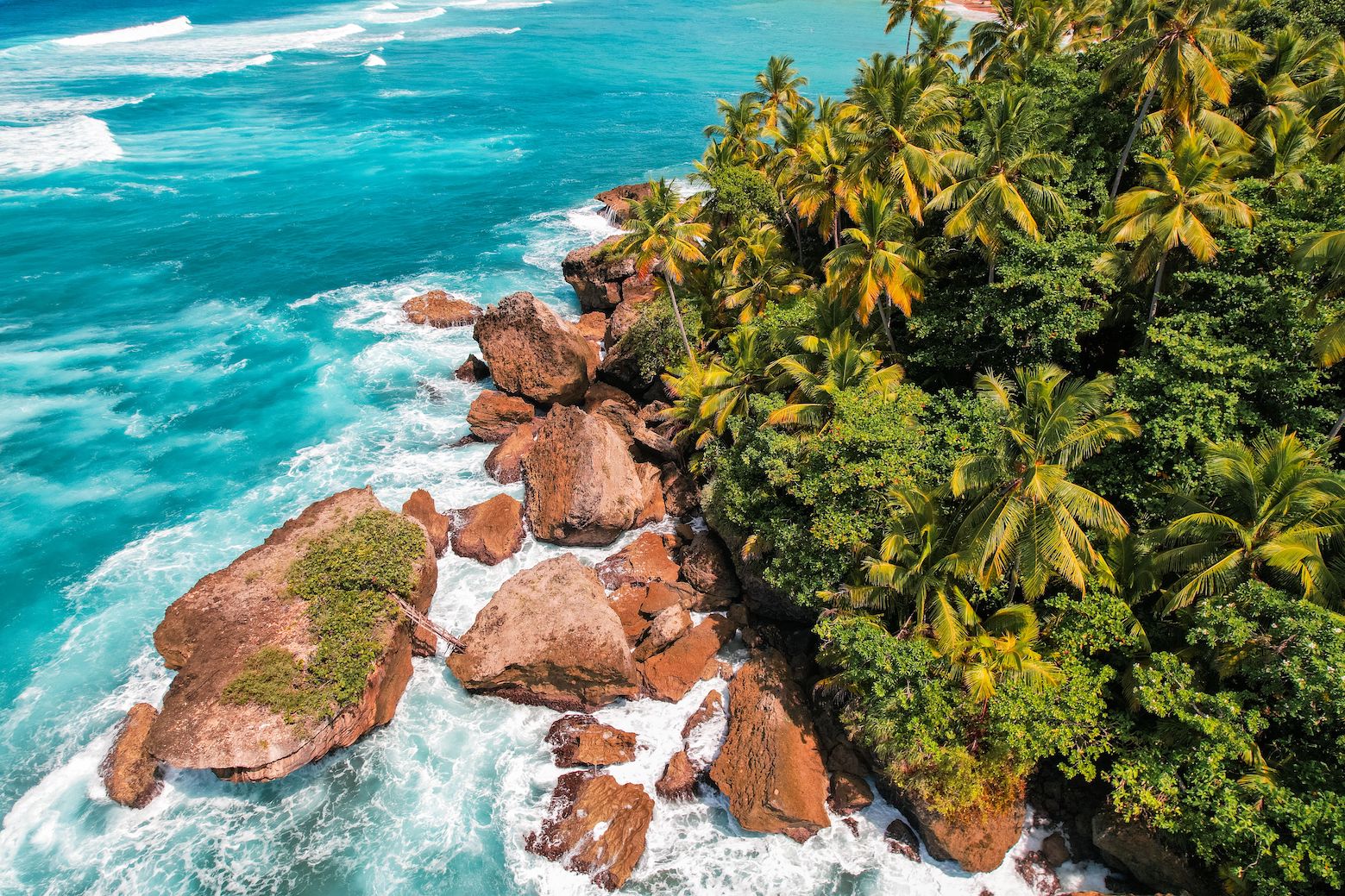
Dominica, Caribbean
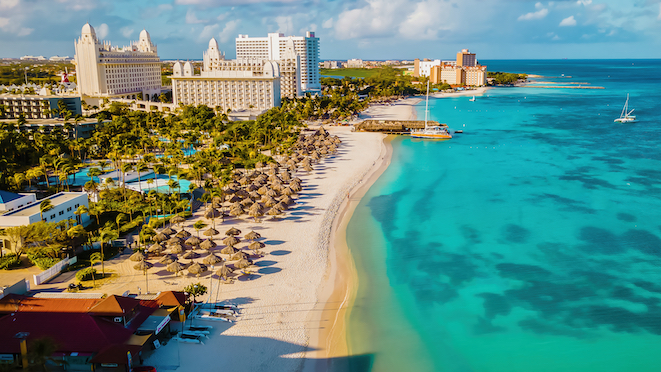
The Bahamas
To see more Waypoints in The Caribbean, please become a member here.

|
Waypoint Finder (Over 1,000 destinations in PanAmerica) |
|---|

Nature
Tours that connect us with nature.
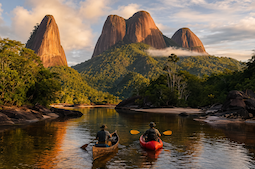
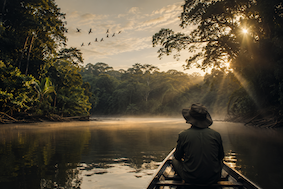
Explore the Tambopata Amazon Reserve
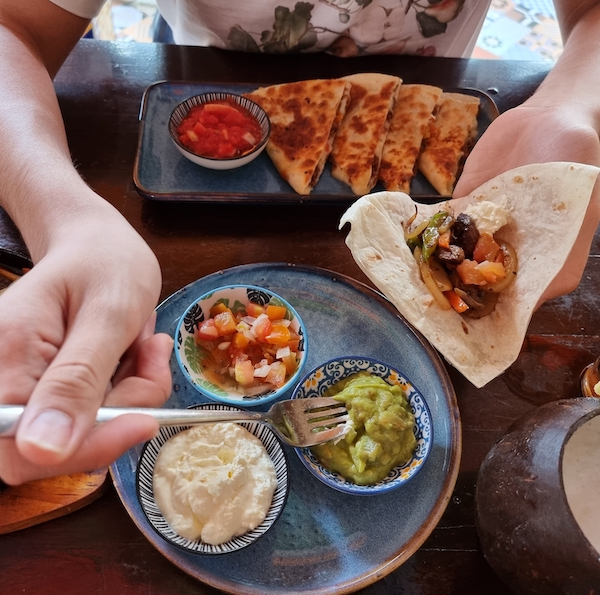
Food & Culture
What's coming up of interest to tourism specialists in Pan America.
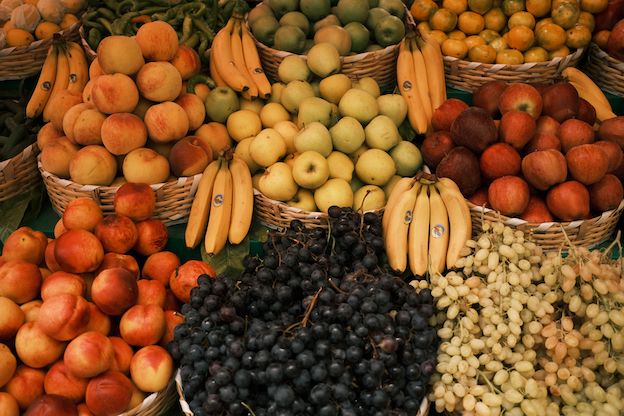
Real City Tours – Exotic Fruits Tour in Medellín, Colombia
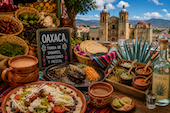
Oaxaca Food & Culture Tour – A Culinary Journey Through Mexico’s Indigenous Flavors
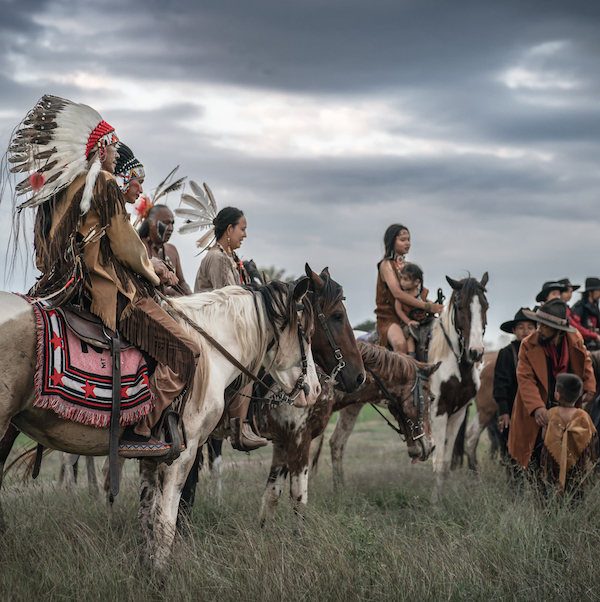
Indigenous Tours
Fashion, romance and wellness for travelers seeking confidence and style.
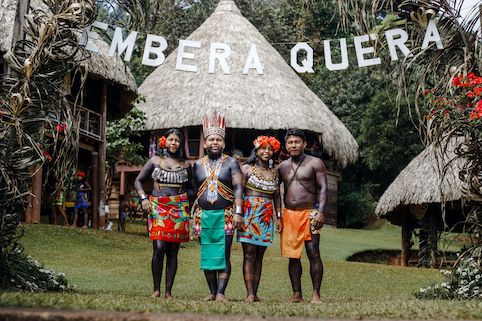
Experience the Emberá of the Darién – On the Only Expedition Operated by An Indigenous Community
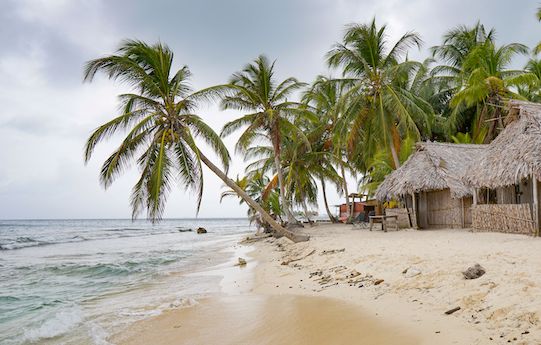
Indigenous Cultural Tour Guna Yala – Discover the Exotic San Blas Islands
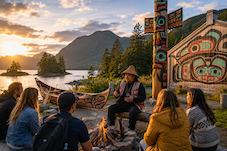
Indigenous Canada Tour – Explore First Nations, Inuit And Métis Cultures
Outdoor Sports
Fashion, romance and wellness for travelers seeking confidence and style.
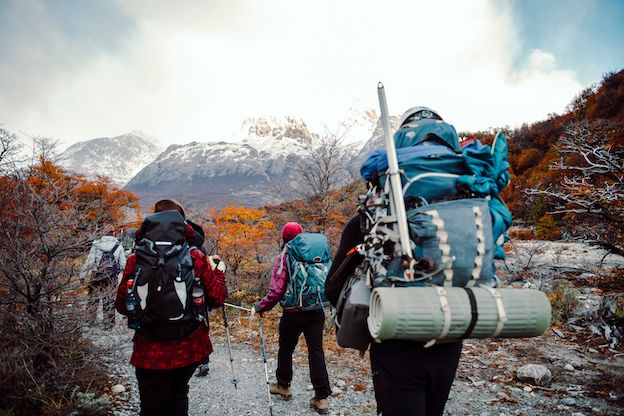
North Patagonia Ice Field Expedition Tour In Chile