 |
So Many Places To Visit!
|
----------- |

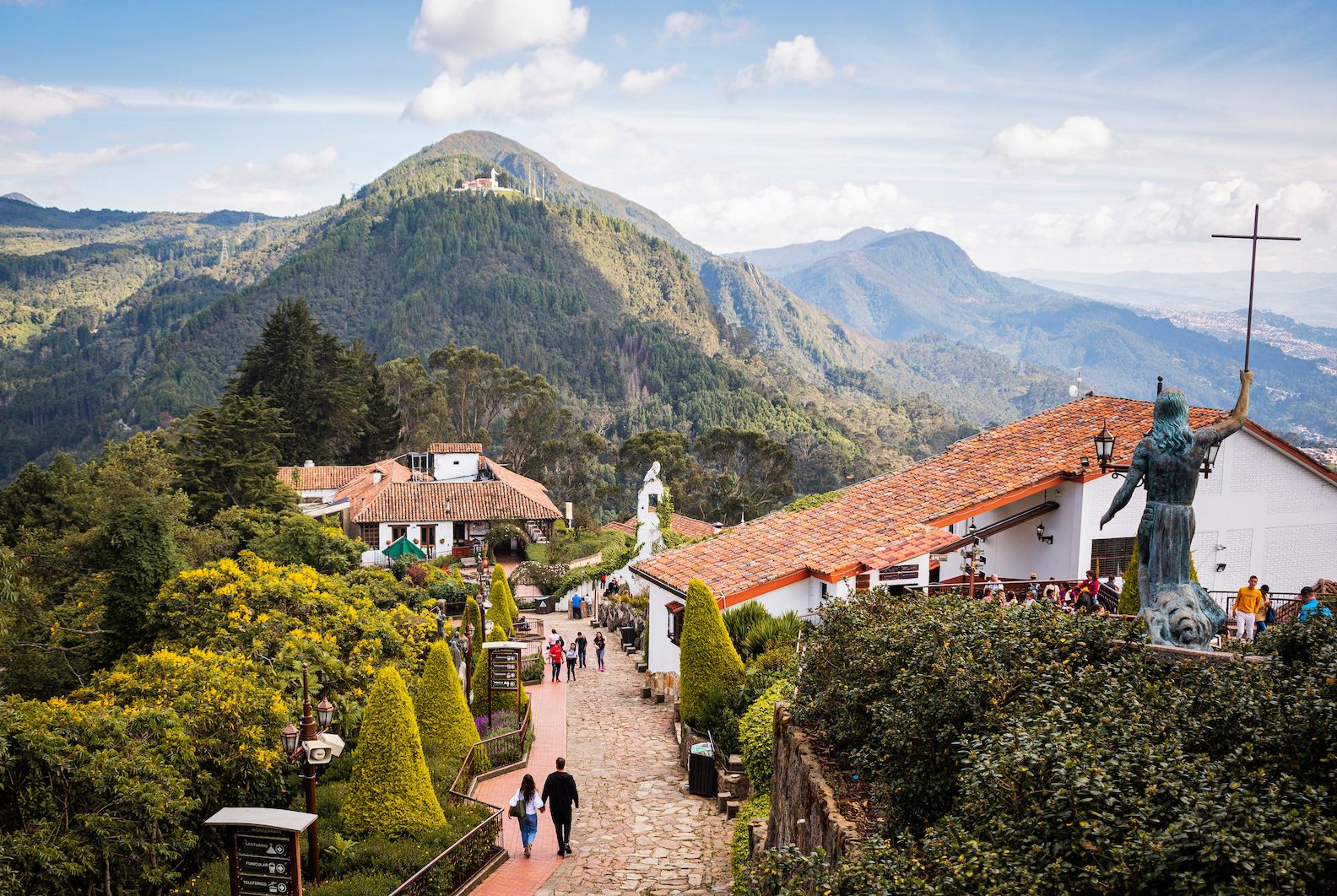
Bogotá, Colombia, combines historic architecture, Andean landscapes, cultural institutions, street art, and contemporary urban life in the country’s capital. Photo by Santiago Boada from Pexels. 
Colombia Related Articles: |
COLOMBIA -- METROPOLIS -----------------113[ARTICLE] | |||
Bogotá, ColombiaBogotá, Colombia, combines historic architecture, Andean landscapes, cultural institutions, street art, and contemporary urban life in the country’s capital. Photo by Santiago Boada from Pexels.By Heydi Bernal for Ruta Pantera on 8/24/2026 8:45:27 PM |
||||
|
Bogotá, Colombia’s capital, is a high-altitude city where colonial history, museums, contemporary art, local gastronomy, and modern urban neighborhoods come together. Located in the Andes at approximately 2,640 meters (8,660 feet) above sea level, the city offers travelers a wide range of experiences, from historic streets and panoramic viewpoints to food markets, parks, and cultural attractions. Its elevation, cool climate, and large geographic size make it important for visitors to plan their activities according to weather, transportation, and travel time. La Candelaria and Bogotá’s Historic Center La Candelaria is the traditional heart of Bogotá and one of the first areas visitors should explore. Its narrow streets, colorful colonial buildings, churches, cafés, bookstores, and cultural centers reflect the city’s historical development. Plaza de Bolívar is surrounded by important landmarks, including the Catedral Primada, the Capitolio Nacional, and other government buildings. The nearby Chorro de Quevedo is associated with the early history of Bogotá and is now surrounded by restaurants, cafés, street performers, and small shops. Travelers can explore the neighborhood independently during the day or join a guided walking tour to learn more about its architecture, colonial history, political traditions, and contemporary street culture. Visitors should remain aware of their belongings, especially in busy streets and crowded public areas. Comfortable walking shoes are recommended because many streets are uneven, and the altitude can make long walks more demanding for travelers who have recently arrived. Museums and Cultural Attractions Bogotá is one of Colombia’s principal cultural destinations, with museums covering Indigenous heritage, colonial history, modern art, and national identity. The Museo del Oro (Gold Museum) contains an extensive collection of pre-Hispanic goldwork and other archaeological objects. According to Bogotá’s official tourism information, admission is generally COP 5,000 from Tuesday to Saturday, while Sundays are free. The museum is closed on Mondays, including holidays, so travelers should check the official schedule before visiting. The Museo Botero displays works by Colombian artist Fernando Botero alongside pieces by international artists. The museum is located in a historic house in La Candelaria, and admission is free. The collection includes works donated by Botero to the Banco de la República. The museum is generally closed on Tuesdays. Other cultural sites include the Museo de la Independencia–Casa del Florero, the Museo de Bogotá, the Casa de Moneda, and the Museo Nacional de Colombia. Visitors interested in Colombian history should allow several hours to explore the museums in and around the historic center rather than attempting to see them all in one short visit. |
||||

|
Monserrate and Panoramic Views Monserrate is one of Bogotá’s most recognizable landmarks. Located in the Eastern Hills, the mountain rises to approximately 3,152 meters (10,341 feet) above sea level and offers panoramic views across the city. At the summit, visitors can find the Sanctuary of the Fallen Lord, restaurants, food stalls, and walking areas. Travelers can reach Monserrate by funicular, cable car, or on foot using the designated hiking trail when it is open. Transportation schedules and ticket prices vary according to the day, operating conditions, and special events. Visitors should consult the official Monserrate website before going, particularly during weekends and holidays when queues may be longer. The altitude at the summit is considerable, so visitors should walk slowly, drink water, and avoid intense physical activity if they experience dizziness, headaches, or shortness of breath. Weather can change quickly, and a light waterproof jacket is useful throughout the year. Food, Markets, and Colombian Flavors Bogotá’s food scene combines traditional Colombian cooking with international cuisine and contemporary restaurants. Local dishes worth trying include ajiaco, a soup traditionally prepared with chicken, potatoes, corn, and herbs; tamales; arepas; empanadas; and changua, a breakfast soup made with milk and eggs. The city’s markets offer opportunities to discover regional fruits, fresh ingredients, juices, and traditional snacks. Paloquemao Market is known for its variety of produce, meat, flowers, and prepared foods. Because markets can be busy early in the morning, visitors should carry only the belongings they need and confirm opening hours before traveling. Bogotá also has a growing specialty coffee culture. Travelers can find cafés serving coffee from different Colombian regions, including Huila, Nariño, Antioquia, and the Sierra Nevada. Restaurant prices vary considerably: traditional meals in local establishments are usually less expensive than dining in upscale neighborhoods such as Zona G, Parque de la 93, or Usaquén. Street Art and Contemporary Neighborhoods Street art is an important part of Bogotá’s contemporary cultural identity. Murals and large-scale works can be found in La Candelaria and other neighborhoods, where local and international artists use public walls to address themes such as identity, inequality, history, nature, and social change. Guided graffiti tours can help visitors understand the stories and techniques behind the artwork while learning about the city’s urban culture. Some tours operate on a pay-what-you-wish basis, while others charge a fixed price. Travelers should confirm the meeting location, duration, language, and payment conditions before booking. Outside the historic center, neighborhoods such as Usaquén, Chapinero, and Zona Rosa offer restaurants, cafés, shopping, nightlife, and modern accommodation. These areas have different atmospheres, so travelers should select their base according to their interests, budget, and transportation needs. |
|||
 Add this article to your favorites
[FOR SUBCRIBERS ONLY] Copy this link to send this article to a friend: [FOR SURSCRIBERS ONLY] |
||||

|
Parks, Cycling, and Outdoor Experiences Bogotá has an extensive network of parks and cycling routes. The city’s weekly Ciclovía program closes selected roads to motor vehicles on Sundays and certain holidays, allowing residents and visitors to walk, cycle, skate, and exercise throughout the city. The exact routes and operating times should be checked through official city information because they can change. Parque Metropolitano Simón Bolívar is one of the city’s major green spaces and offers walking paths, open areas, and recreational facilities. The Bogotá Botanical Garden provides another option for visitors interested in native plants, ecological education, and the landscapes of the Colombian Andes. Travelers looking for more demanding outdoor experiences can explore destinations outside the city, including the páramo landscapes of the surrounding mountains. These excursions require advance planning, suitable clothing, transportation arrangements, and, in some cases, a local guide. Getting There and Getting Around Most international visitors arrive through El Dorado International Airport, Bogotá’s main airport. The airport is located west of the central districts, and travel time to a hotel depends heavily on traffic and the neighborhood where the visitor is staying. Authorized taxis, ride-hailing services where available, and prearranged transfers are common transportation options. Bogotá’s public transportation system includes TransMilenio buses, the SITP network, taxis, and cycling infrastructure. TransMilenio can be useful for traveling between major areas, although vehicles and stations may become crowded during rush hours. Visitors should plan routes in advance and keep phones, wallets, passports, and other valuables secure. Traffic congestion can significantly increase journey times, especially during weekday mornings and late afternoons. Travelers should allow additional time when going to the airport, attending scheduled tours, or connecting between different parts of the city. Weather, Altitude, and Practical Travel Advice Bogotá has a cool, highland climate rather than the tropical temperatures many visitors associate with Colombia. Daytime temperatures often remain moderate, while mornings and evenings can feel cold. Rain is possible throughout the year, and short weather changes are common. A traveler’s packing list should include layers, comfortable walking shoes, sunscreen, and a waterproof jacket. Because of the elevation, some visitors may experience temporary symptoms such as fatigue, headaches, or shortness of breath during their first day or two. Taking time to rest, drinking water, and avoiding strenuous activity immediately after arrival can help travelers adjust. Anyone with a medical concern should seek professional advice before traveling to high altitude. The Colombian peso (COP) is the local currency. Cards are accepted in many hotels, restaurants, and businesses, but travelers should carry some cash for markets, small shops, local transportation, and street food. Prices can change, so visitors should confirm current admission fees, transportation fares, and tour costs before making plans. Bogotá is a large city with significant differences between neighborhoods. Visitors should research their accommodation area, use reliable transportation after dark, avoid displaying expensive items, and follow local advice regarding personal security. Travel insurance, digital copies of important documents, and a charged mobile phone are useful precautions. |
|||
| Excursions Beyond Bogotá Bogotá can also serve as a base for day trips in the surrounding region. The Salt Cathedral of Zipaquirá is located in underground tunnels within a former salt mine and is one of the area’s best-known attractions. The town of Guatavita offers access to a lake associated with Indigenous history and the legends surrounding El Dorado. Other possible excursions include colonial towns, nature reserves, coffee-related experiences, and hiking destinations in the Eastern Cordillera. Travelers should consider traffic, weather, tour duration, and return transportation when choosing a day trip. Organized excursions may simplify logistics, particularly for visitors unfamiliar with the region. |
||||
|
A Gateway to Colombia’s Cultural and Natural Diversity Bogotá offers more than a short introduction to Colombia. Its museums explain the country’s Indigenous and artistic heritage, its historic center reveals layers of colonial and republican history, and its neighborhoods demonstrate the diversity of contemporary urban life. The city’s location also makes it a practical starting point for exploring the surrounding mountains, historic towns, and natural landscapes. A well-planned visit should combine major attractions with time for local food, neighborhood exploration, and rest. By allowing for the altitude, changing weather, traffic, and the city’s size, travelers can experience Bogotá with greater comfort and a clearer understanding of its cultural and geographic importance. |
||||
| --rutapanter.com-- | ||
|
References: Banco de la República. (n.d.). Museo del Oro. https://www.banrepcultural.org/bogota/museo-del-oro Banco de la República. (n.d.). Museo Botero. https://www.banrepcultural.org/bogota/museo-botero Bogotá City Government. (2025). Plan your visit to the Gold Museum in Bogotá. https://bogota.gov.co/en/international/tourism-bogota-plan-your-visit-gold-museum-2025 Colombia Travel. (n.d.). Bogotá. https://colombia.travel/en/bogota Visit Bogotá. (n.d.). Official tourism information for Bogotá. https://visitbogota.co/
| |
|
| Instagram: | Email contact: | Interest area: Other |

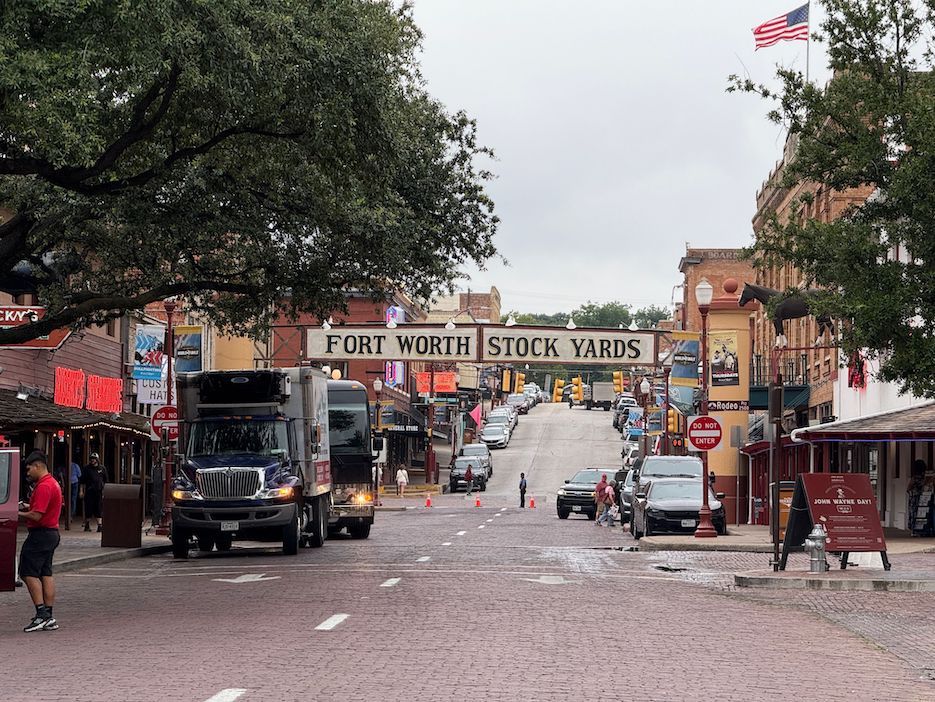
Dallas/Fort Worth, Texas
Dallas/Fort Worth is one of Texas’s major metropolitan areas and an important gateway to the state. Although the two cities are closely connected geographically and e [read more.]
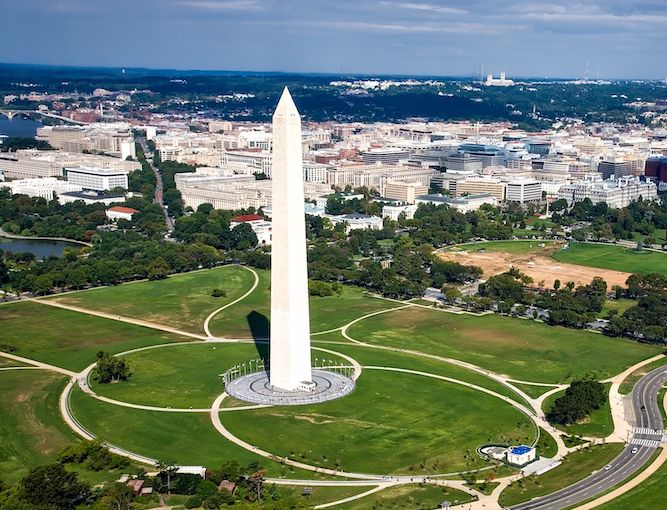
Washington, DC
Washington, DC is the capital of the United States and one of the country’s most distinctive travel destinations. Unlike most major American cities, its identity is s [read more.]
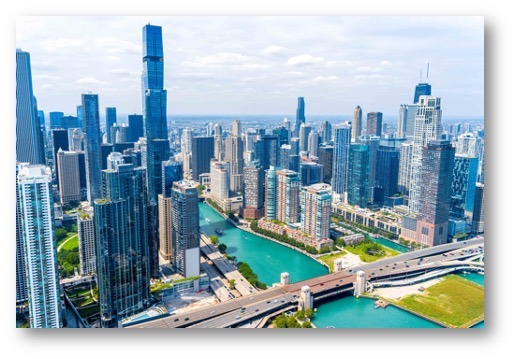
Chicago, Illinois
Chicago is one of the most recognizable cities in the United States, built along the shores of Lake Michigan and known for its architecture, museums, music, food, and e [read more.]
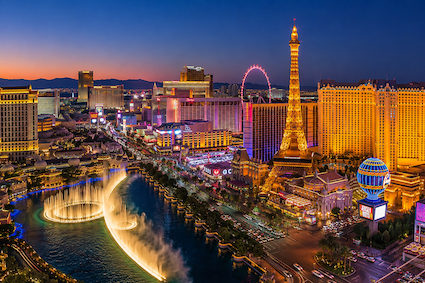
Las Vegas, Nevada, USA
Las Vegas is a city built around spectacle, imagination, and constant reinvention. Rising from the Mojave Desert in southern Nevada, it has transformed from a railroad [read more.]
To see more Waypoints in North America, please become a member here.
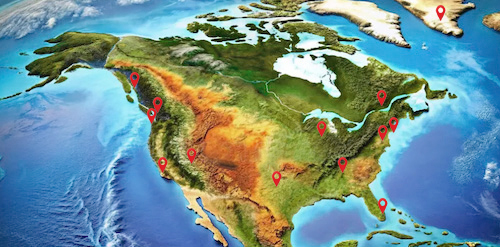
Clickable destinations featuring Reviews & Recommendations.
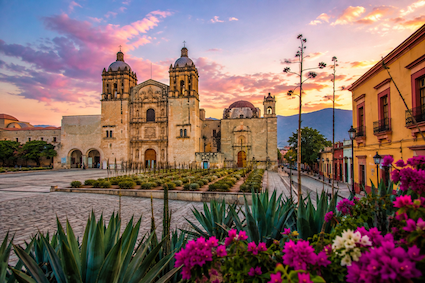
Oaxaca, Mexico
Oaxaca is one of Mexico's most culturally distinctive destinations, where Indigenous traditions, Spanish colonial architecture, contemporary art, and extraordinary ga [read more.]
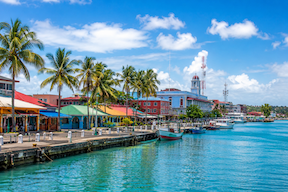
Limón, Costa Rica
Limón is the gateway to Costa Rica's Caribbean coast, a destination where tropical forests, beaches, wildlife, Afro-Caribbean traditions, and the rhythms of the sea [read more.]
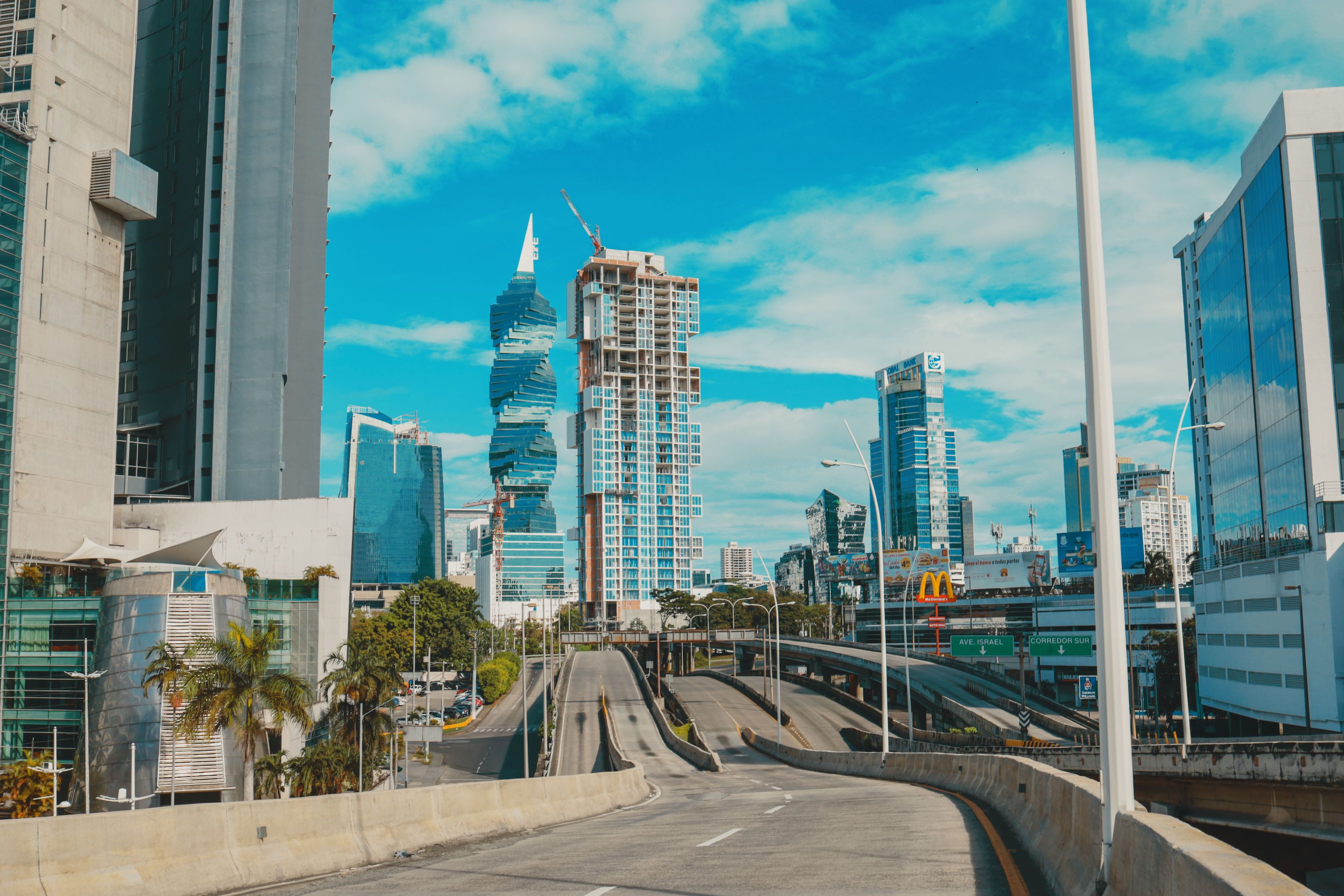
Panama City
Panama City is one of Central America's most dynamic destinations, where colonial history, global commerce, tropical nature, and modern architecture come together in [read more.]
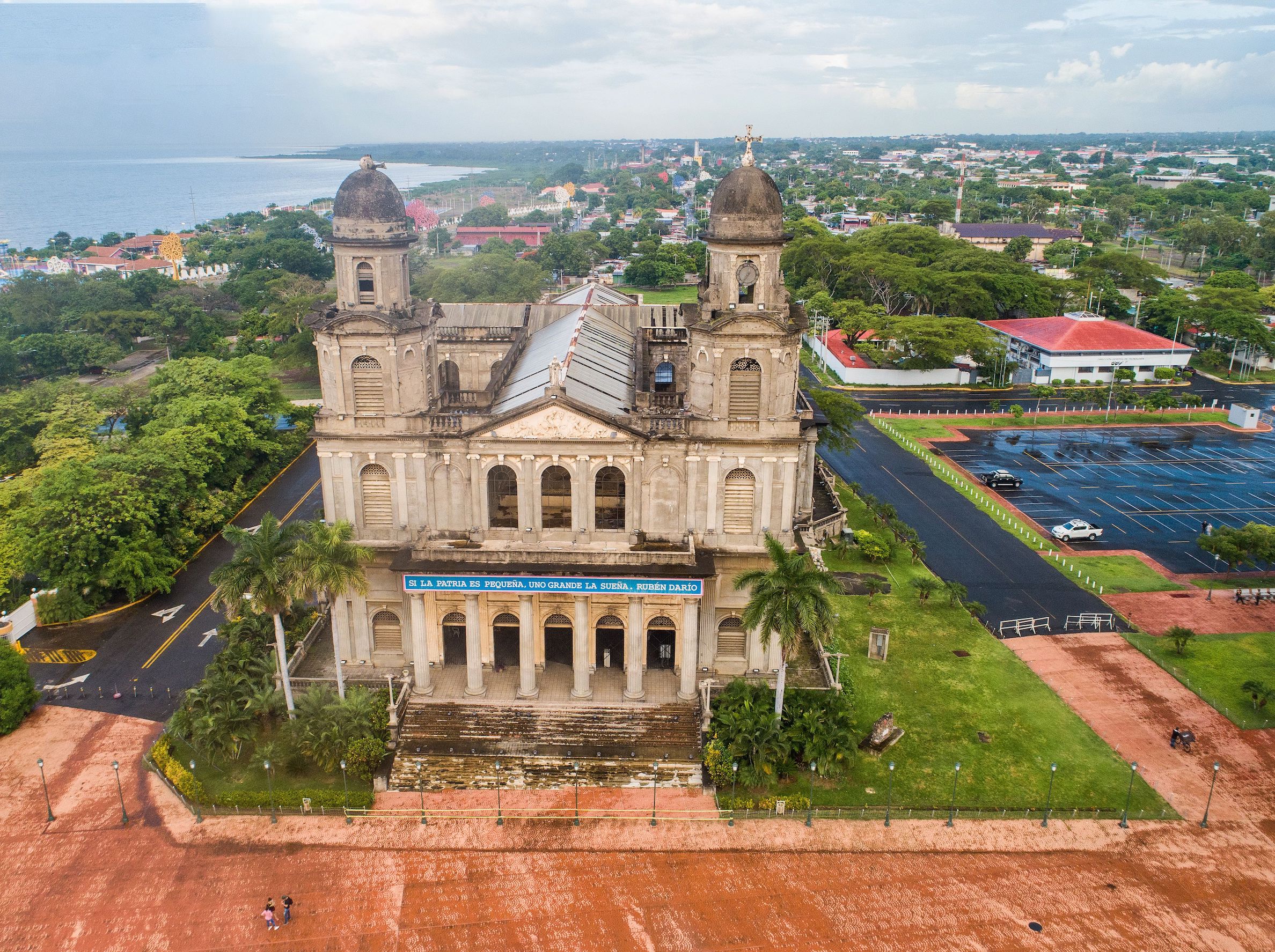
Nicaragua
Nicaragua is a country of volcanoes, lakes, colonial cities, tropical forests, Pacific beaches, and Caribbean islands. Located in the heart of Central America, it offer [read more.]
To see more Waypoints in Central America, please become a member here.
Clickable destinations featuring Reviews & Recommendations.
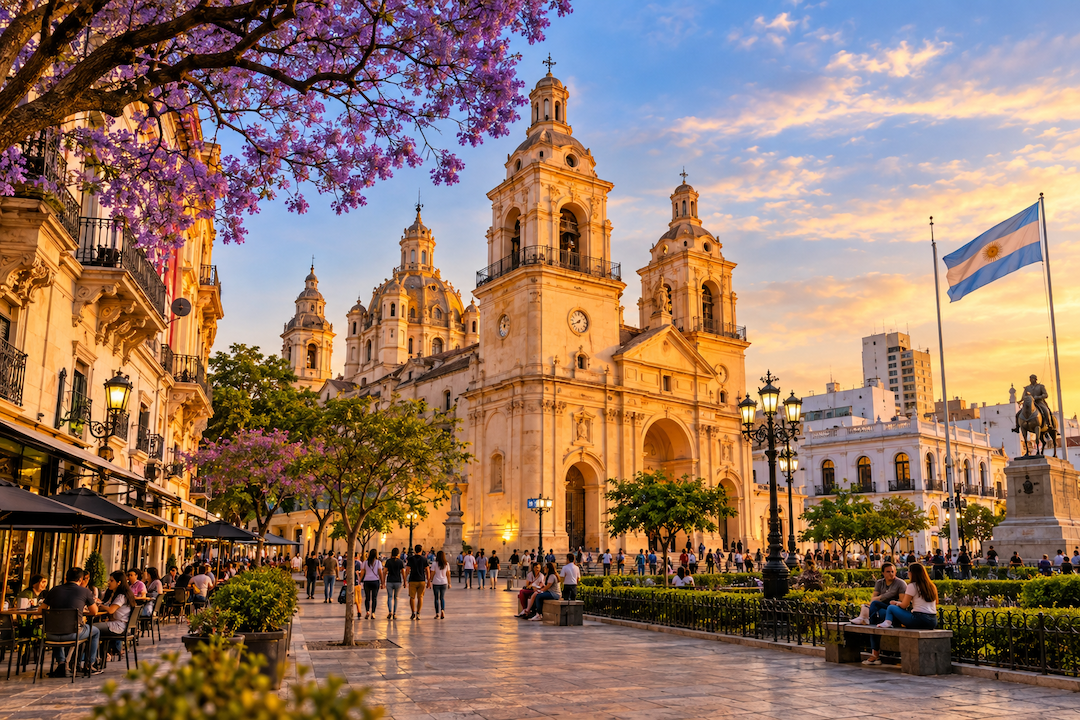
Córdoba — Argentina’s
Córdoba is a city where Argentina’s colonial past meets the energy of a young, creative population. Located in the geographical heart of the country, this provincial [read more.]
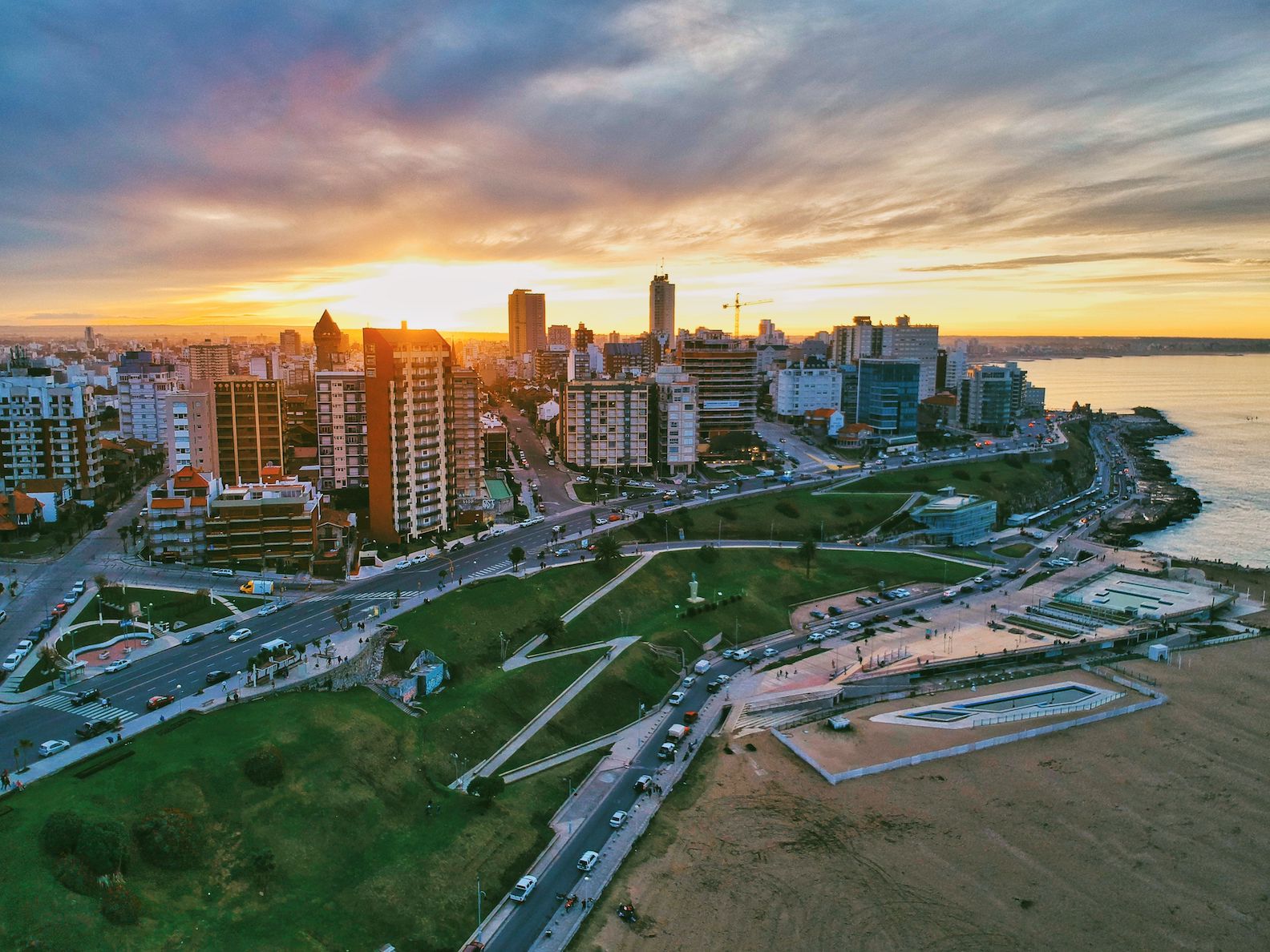
Montevideo, Uruguay
Montevideo is a city that rewards travelers who slow down. Uruguay’s capital stretches along the Río de la Plata, combining historic architecture, long waterfront pr [read more.]
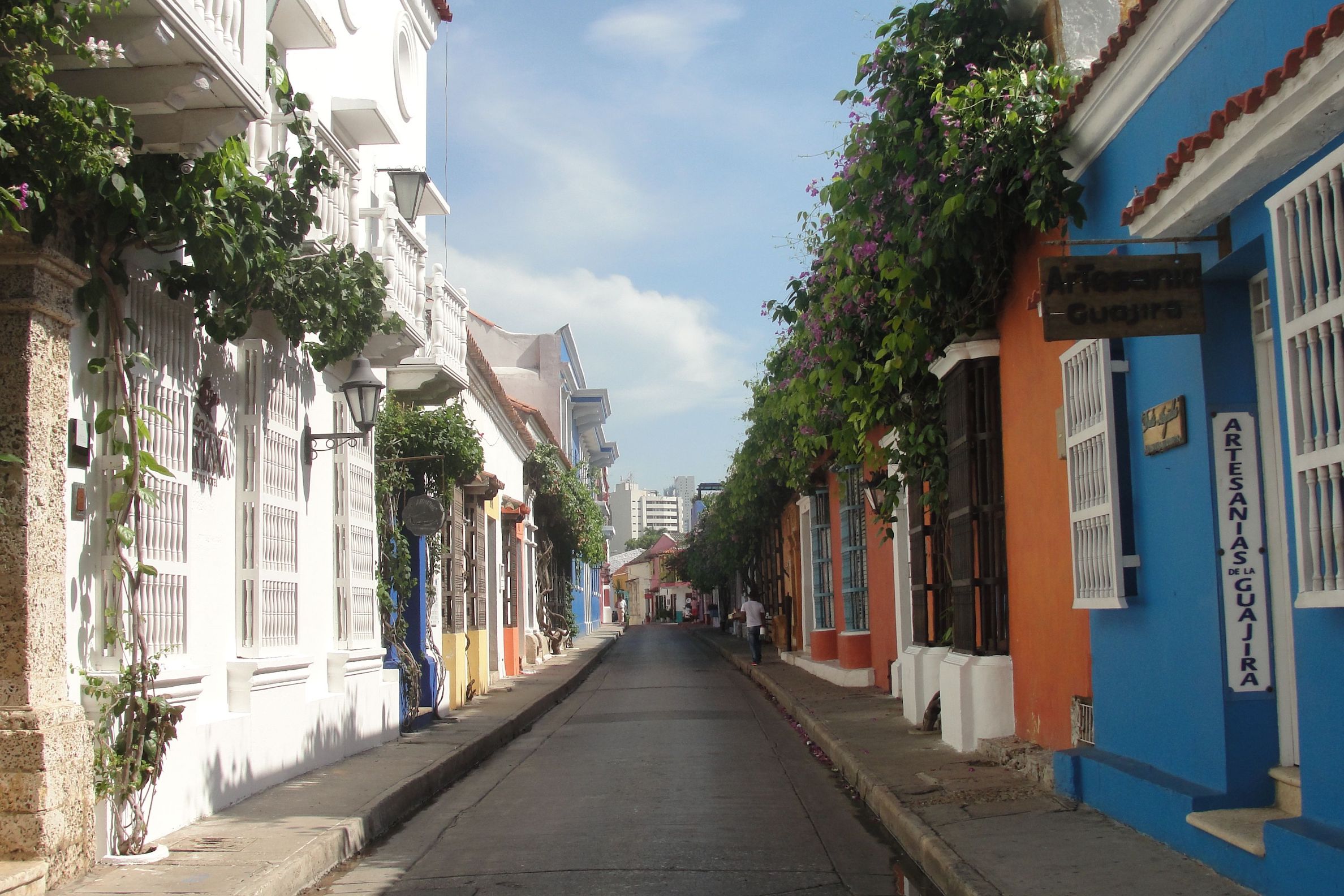
Cartagena, Colombia
Cartagena de Indias is a Caribbean city where centuries of history remain part of everyday life. Stone walls surround a UNESCO-listed historic center, colorful streets [read more.]
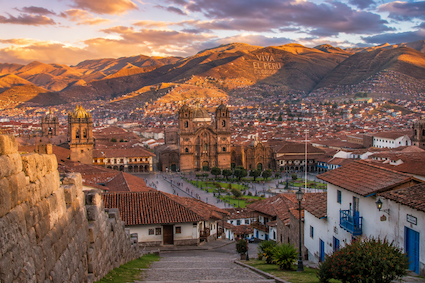
Cusco, Perú
Cusco is a city where the legacy of the Inca Empire remains visible in stone walls, archaeological sites, colonial churches, traditional markets, and the living culture [read more.]
To see more Waypoints in South America, please become a member here.
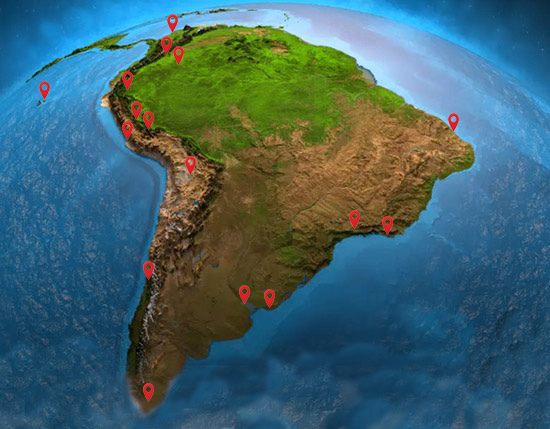
Clickable destinations featuring Reviews & Recommendations.
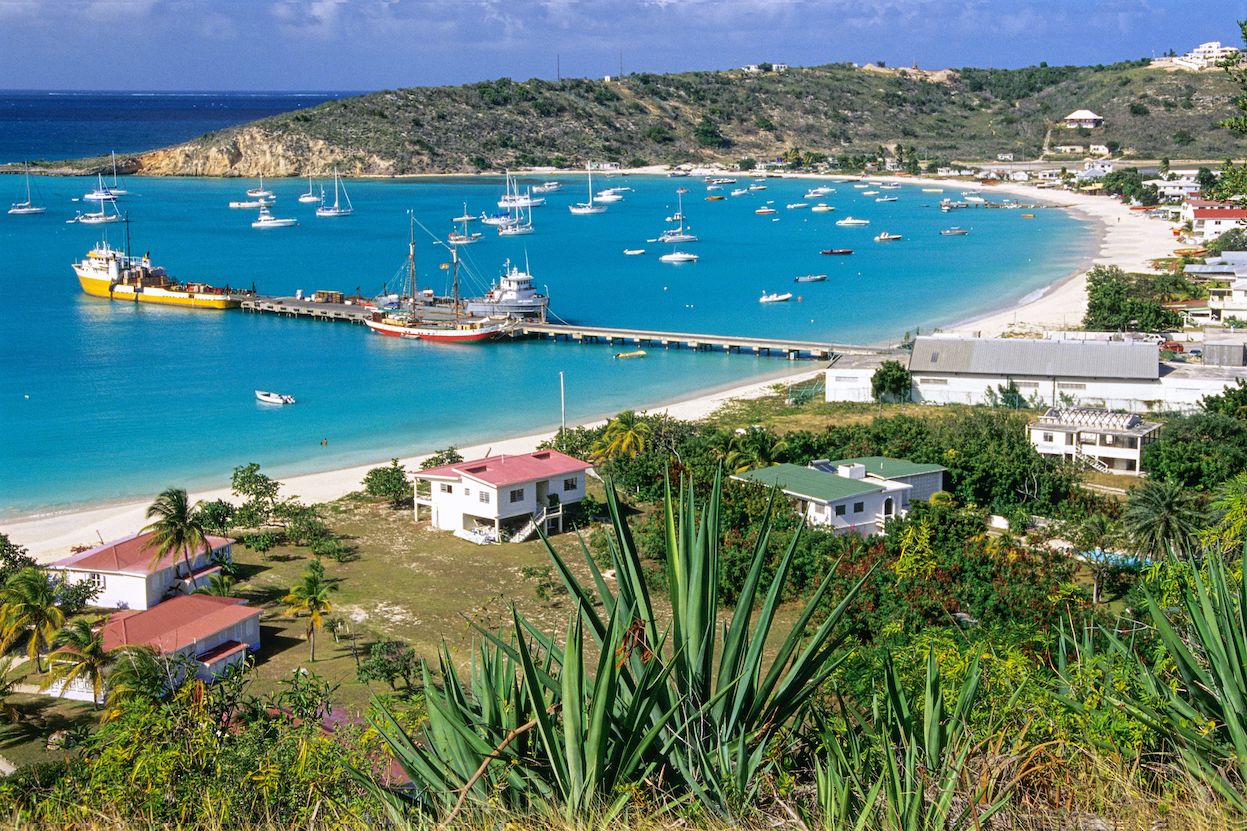
Anguilla
Jamaica
Aruba
Puerto Rico
To see more Waypoints in The Caribbean, please become a member here.
|
Waypoint Finder (Over 1,000 destinations in PanAmerica) |
|---|


Into the Arctic: A Polar Adventure in Churchill
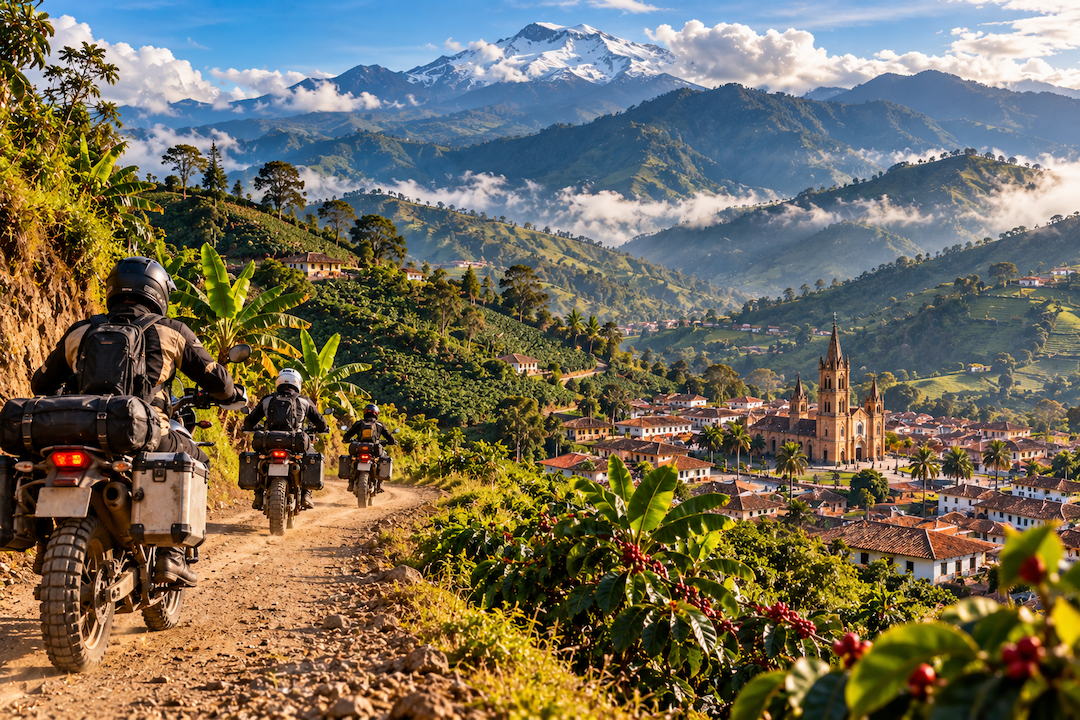
Ride The Andes: A Motorcycle Adventure Through Colombia
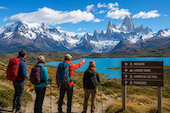

Nature
Tours that connect us with nature.
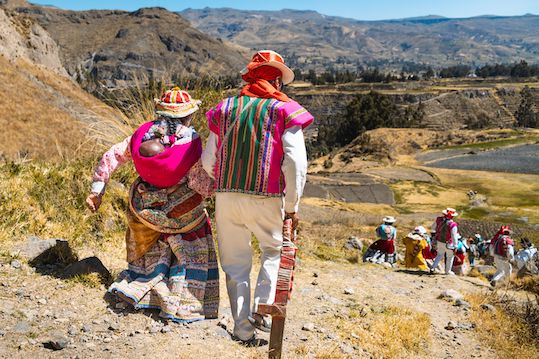
Food & Culture
What's coming up of interest to tourism specialists in Pan America.
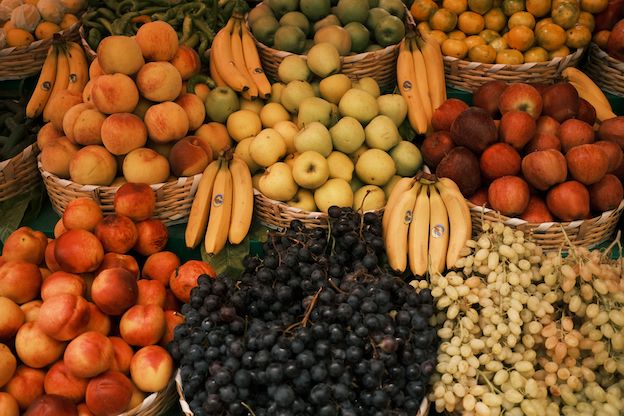
Real City Tours – Exotic Fruits Tour in Medellín, Colombia
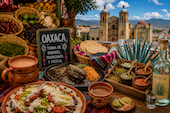
Oaxaca Food & Culture Tour – A Culinary Journey Through Mexico’s Indigenous Flavors
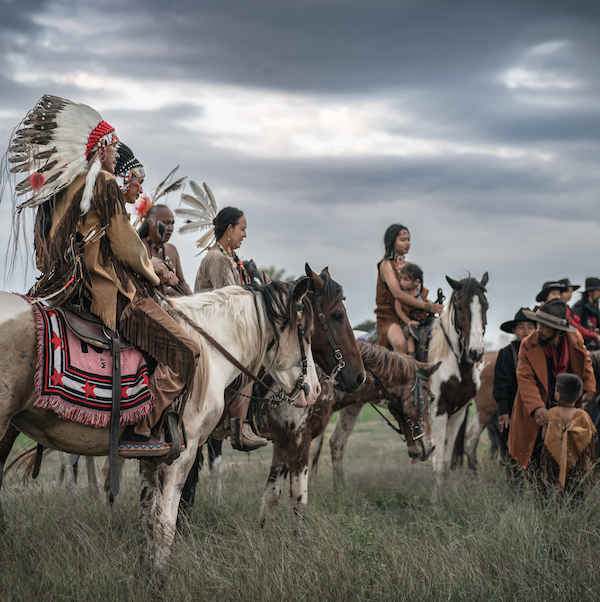
Indigenous Tours
Fashion, romance and wellness for travelers seeking confidence and style.
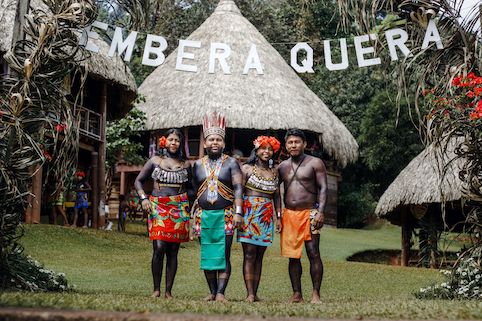
Experience the Emberá of the Darién – On the Only Expedition Operated by An Indigenous Community
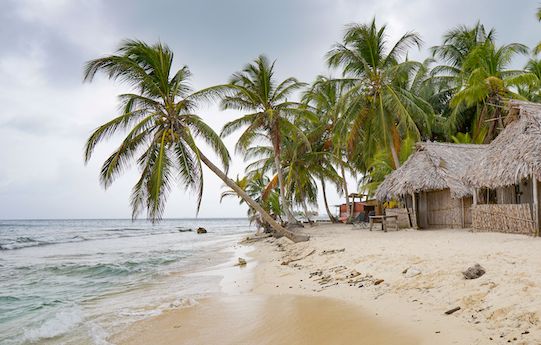
Indigenous Cultural Tour Guna Yala – Discover the Exotic San Blas Islands
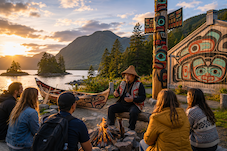
Indigenous Canada Tour – Explore First Nations, Inuit And Métis Cultures
Outdoor Sports
Fashion, romance and wellness for travelers seeking confidence and style.
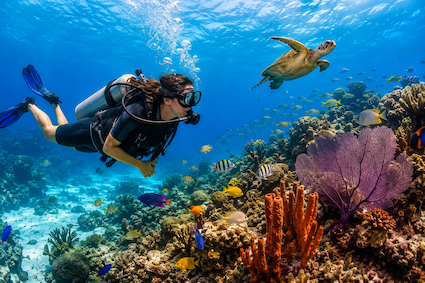
Scuba Diving Tours Through the Caribbean's Spectacular Coral Reefs
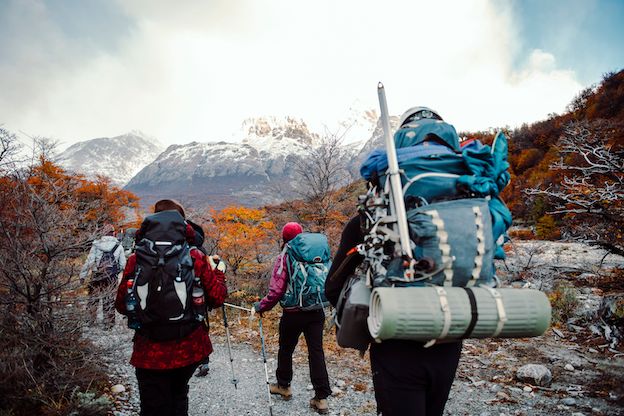
North Patagonia Ice Field Expedition Tour In Chile