 |
So Many Places To Visit!
|
----------- |


Uruguay Related Articles: |
URUGUAY -- SMALL TOWN -----------------231[ARTICLE] | |||
Sacramento Colony, Uruguay.By Estefanía Muriel for Ruta Pantera on 9/9/2026 4:32:45 AM |
||||
|
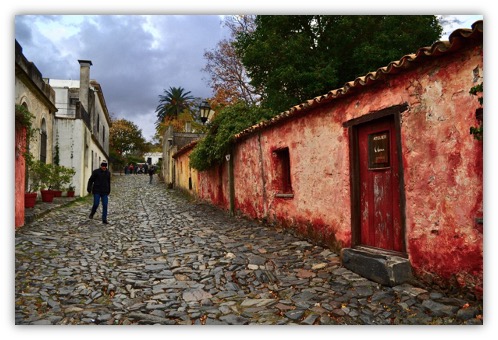
Colonia del Sacramento is one of Uruguay’s most atmospheric destinations, a small city on the Río de la Plata where Portuguese and Spanish history survives in streets, walls and buildings that still follow the shape of a colonial settlement. Founded by the Portuguese in 1680, Colonia became a strategic point of conflict between Portugal and Spain before becoming part of Uruguay. Its Barrio Histórico was declared a UNESCO World Heritage Site in 1995 for the way its original urban landscape preserves the encounter between Portuguese and Spanish traditions. Today, its cobblestone streets, low colonial houses and riverfront make it one of the easiest places in Uruguay to explore slowly, on foot and without a rigid itinerary. The Old City Is The Main Attraction The best way to understand Colonia is simply to walk. Calle de los Suspiros, Plaza Mayor, the old city walls, the Portón de Campo and the ruins of the Convento de San Francisco form the core of the historic district. At the convent ruins stands the distinctive lighthouse, whose tower provides broad views over the old town and Río de la Plata. The climb is inexpensive and worthwhile, especially near sunset. Small museums around the historic quarter—including the Portuguese Museum, Spanish Museum and Municipal Museum—add context to the architecture and the city’s complicated colonial past, and a combined museum ticket makes it possible to visit several without spending much. |
||||

|
A City Made For Slow Travel Colonia does not require a packed sightseeing schedule. Its charm comes from details: old stone foundations, brightly painted doors, small squares, traditional restaurants and the contrast between the historic quarter and the open riverfront. The Plaza de Toros Real de San Carlos, built in 1909 as part of a short-lived tourist complex, is farther from the old town and can be reached by bicycle, taxi or on foot. Its restored structure and interpretation center offer a different view of Colonia’s history and its early attempts to attract visitors from across the Río de la Plata. Uruguayan food is another part of the experience. Look for chivitos, grilled meats, local cheeses, empanadas and dishes prepared with river and coastal ingredients. Tannat, Uruguay’s signature red wine, is a natural companion to a meal, while medio y medio—a blend of white wine and sparkling wine—is a classic drink associated with the Río de la Plata region. Restaurants in the historic quarter range from casual cafés to more refined riverside dining, so travelers can experience Colonia comfortably at different budgets. |
|||
 Add this article to your favorites
[FOR MEMBERS ONLY]
Add this article to your favorites
[FOR MEMBERS ONLY]
Copy this link to send this article to a friend: [FOR MEMBERS ONLY] |
||||

|
When The City Comes Alive Colonia is pleasant throughout the year, but the character changes with the season. Summer, from December through March, brings warmer weather, longer days and more visitors, particularly on weekends and around holidays. Autumn and spring offer comfortable temperatures and a good balance between activity and tranquility. Winter is quieter and can be attractive for travelers interested primarily in history, photography and restaurants, although some businesses reduce their hours. Carnival brings candombe and other Uruguayan traditions to the region, while August 24 is Uruguay’s famous Noche de la Nostalgia, when venues across the country fill with retro music and parties. |
|||
| Easy From Buenos Aires Colonia is one of the most accessible international escapes from Buenos Aires. High-speed ferries cross the Río de la Plata in roughly one to one and a quarter hours, making a day trip possible, although staying overnight gives the city a completely different atmosphere after the ferry crowds disappear. Regular ferry operators include Buquebus and Colonia Express, with fares varying considerably according to season, departure time and how far in advance tickets are purchased. Travelers should check current schedules and prices before booking because promotional and peak-season fares can differ substantially. From Montevideo, Colonia is about 180 km away by road, with regular buses taking approximately two and a half to three hours depending on the service. The bus terminal is close enough to the historic district to make arrival straightforward. Once there, most of the old city is best explored on foot. Bicycles and golf carts are useful for reaching the Real de San Carlos area and the beaches farther from the center. How Long To Stay A day is enough to see the principal historic sights, but one night is strongly recommended. Colonia changes after the day-trippers leave: the streets become quieter, the riverfront more atmospheric and the old quarter easier to appreciate without crowds. Budget accommodation, guesthouses and hostels are available alongside boutique hotels in restored colonial buildings, with prices varying substantially between summer weekends and the quieter winter months. Booking ahead is particularly important during holidays and summer. |
||||
| Travel Smart The cobblestones are uneven and can become slippery after rain, so comfortable shoes are more useful than fashionable ones. Bring a light jacket even in warmer months, particularly for evenings beside the river. Cards are widely accepted, but keeping some Uruguayan pesos is useful for small purchases. For photography, early morning and the hour before sunset offer the best combination of light and atmosphere. Most importantly, resist the temptation to rush through Colonia as a checklist: its real appeal is the opportunity to wander through a historic city whose scale makes it possible to notice the details. |
||||
| --rutapanter.com-- | ||
|
References: UNESCO World Heritage Centre. Historic Quarter of the City of Colonia del Sacramento. Ministerio de Turismo de Uruguay. Colonia del Sacramento. Intendencia de Colonia. Turismo y patrimonio histórico de Colonia del Sacramento. Uruguay Natural. Colonia del Sacramento.
| |
|
| Instagram: | Email contact: | Interest area: |

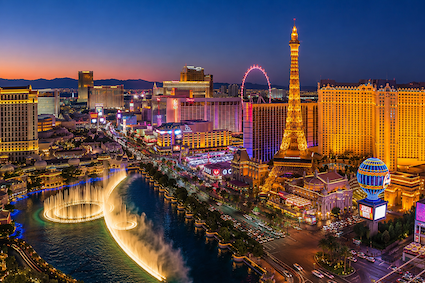
Las Vegas, Nevada, USA
Las Vegas is a city built around spectacle, imagination, and constant reinvention. Rising from the Mojave Desert in southern Nevada, it has transformed from a railroad [read more.]
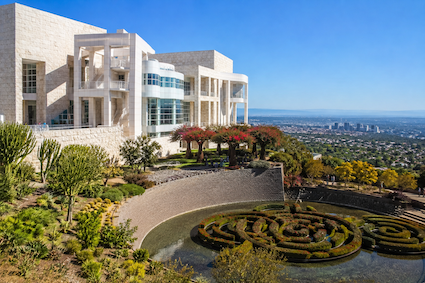
The Getty Center, Los Angeles, California, USA
Perched high in the Santa Monica Mountains above Los Angeles, the Getty Center is much more than a museum. Designed by American architect Richard Meier and opened in 19 [read more.]

Los Angeles, California, USA
Los Angeles is a city built on movement, creativity, and reinvention. Stretching from the Santa Monica Mountains to the Pacific Ocean, it combines the glamour of Hollyw [read more.]
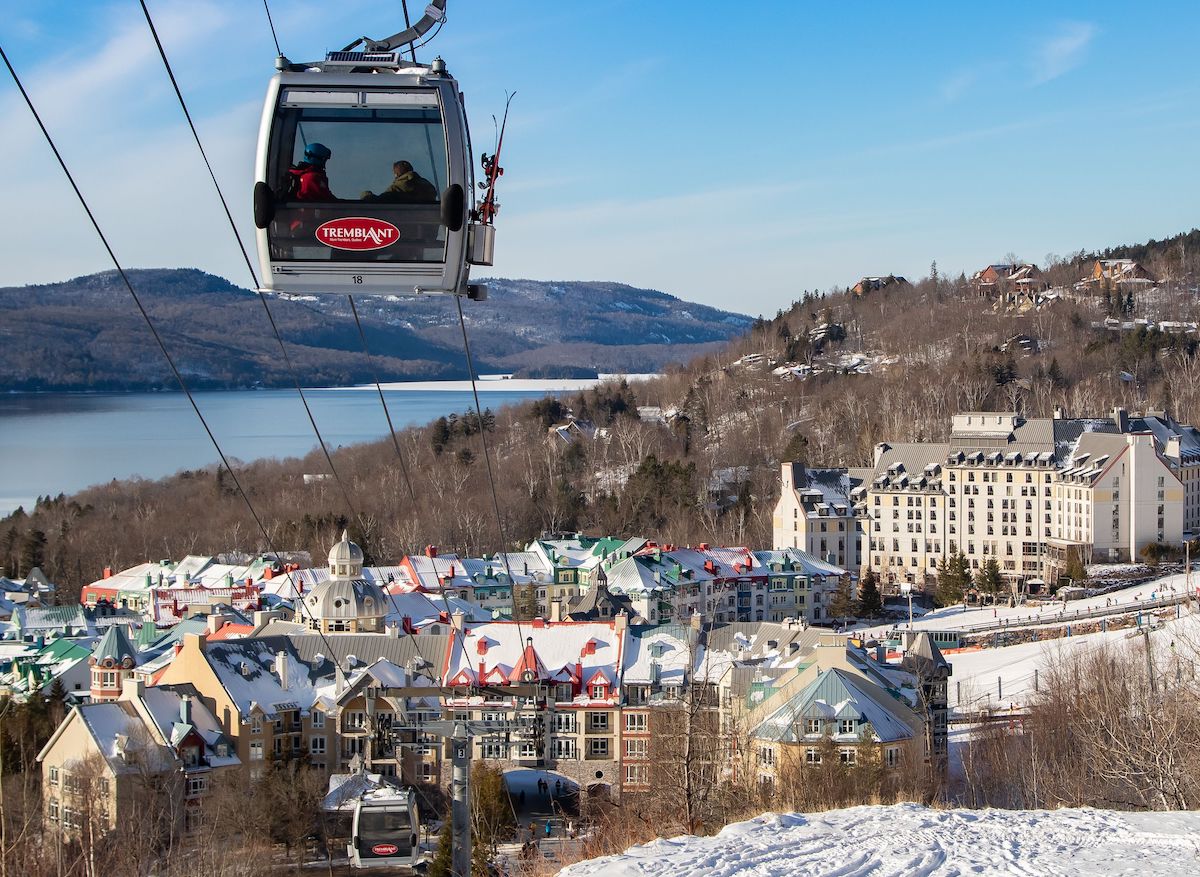
Mont-Tremblant, Canada
Mont-Tremblant, in the province of Quebec, Canada, is a city located in the Laurentian Mountains, about 125 kilometers from Montreal. Although sometimes informally refe [read more.]
To see more Waypoints in North America, please become a member here.
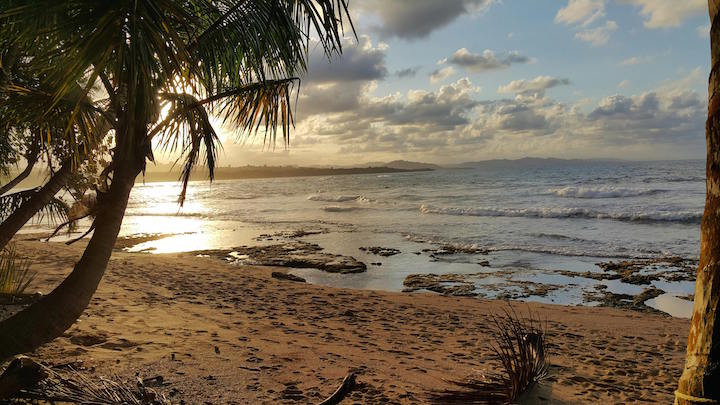
Costa Rica, Lemon
Limón, officially Puerto Limón, is Costa Rica's Caribbean gateway and a city whose identity was shaped as much by migration as by the sea. Christopher Columbus arri [read more.]
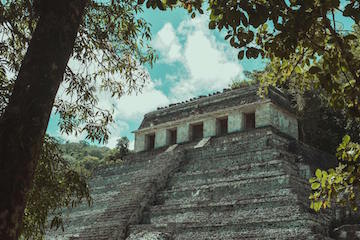
Palenque, Mexico
Palenque is one of the most remarkable places in the Maya world, where monumental architecture, rainforest and the history of a powerful ancient dynasty come together. [read more.]
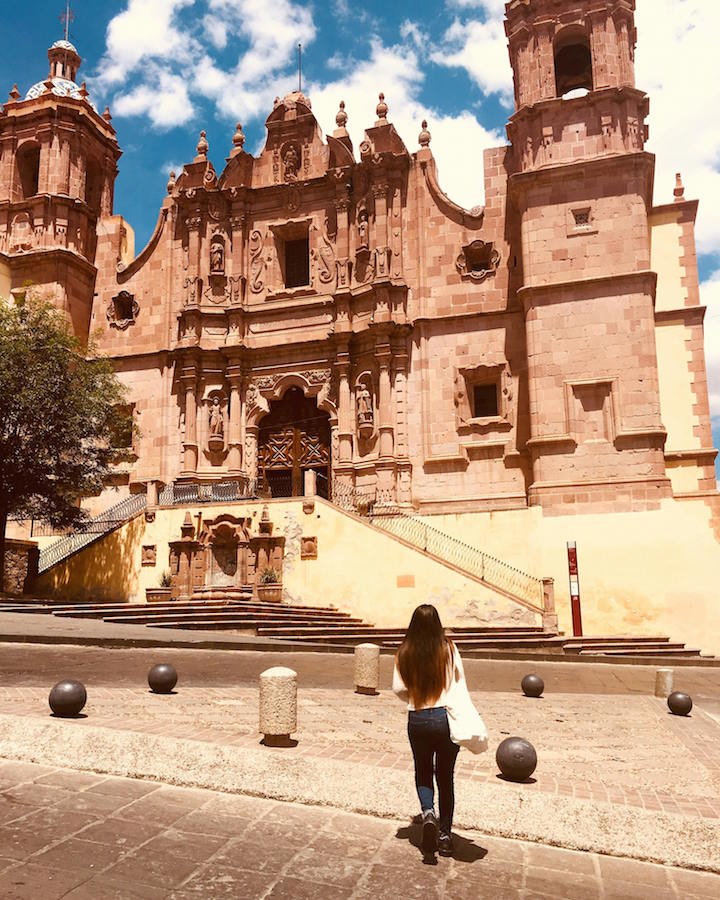
Zacatecas, Mexico
Zacatecas rose from the discovery of rich silver deposits in 1546 to become one of the most prosperous mining centers of New Spain. Built across the steep slopes of a n [read more.]
Guatemala City
Guatemala City sits in the highlands at more than 1,400 meters above sea level, surrounded by volcanoes and built over a landscape that has been inhabited for centuries [read more.]
To see more Waypoints in Central America, please become a member here.
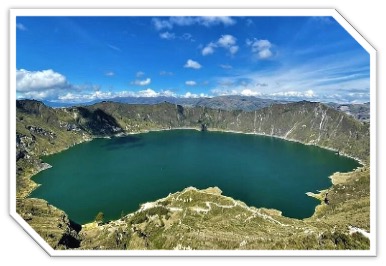
Lagoon Quilotoa, Ecuador
Quilotoa is one of Ecuador’s most spectacular high-altitude landscapes: a water-filled volcanic caldera set at approximately 3,914 meters in the Andes of Cotopaxi Pro [read more.]
Sacramento Colony, Uruguay.
Colonia del Sacramento is one of Uruguay’s most atmospheric destinations, a small city on the Río de la Plata where Portuguese and Spanish history survives in street [read more.]
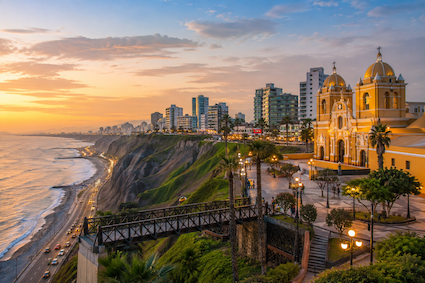
Lima, Perú
Lima is a city where Peru's ancient civilizations, colonial history, Pacific coastline, and contemporary creativity converge. Set along dramatic coastal cliffs overlo [read more.]
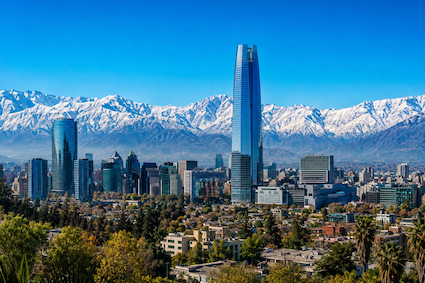
Santiago, Chile
Santiago is a city defined by contrasts: a sophisticated modern capital surrounded by the dramatic peaks of the Andes, a historic center shaped by centuries of Chilean [read more.]
To see more Waypoints in South America, please become a member here.
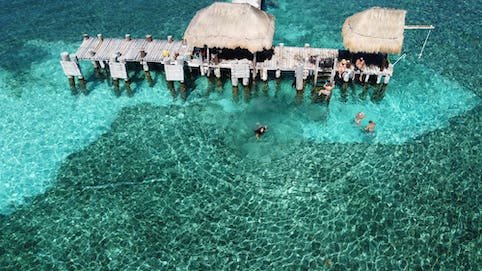
Isla Mujeres, México
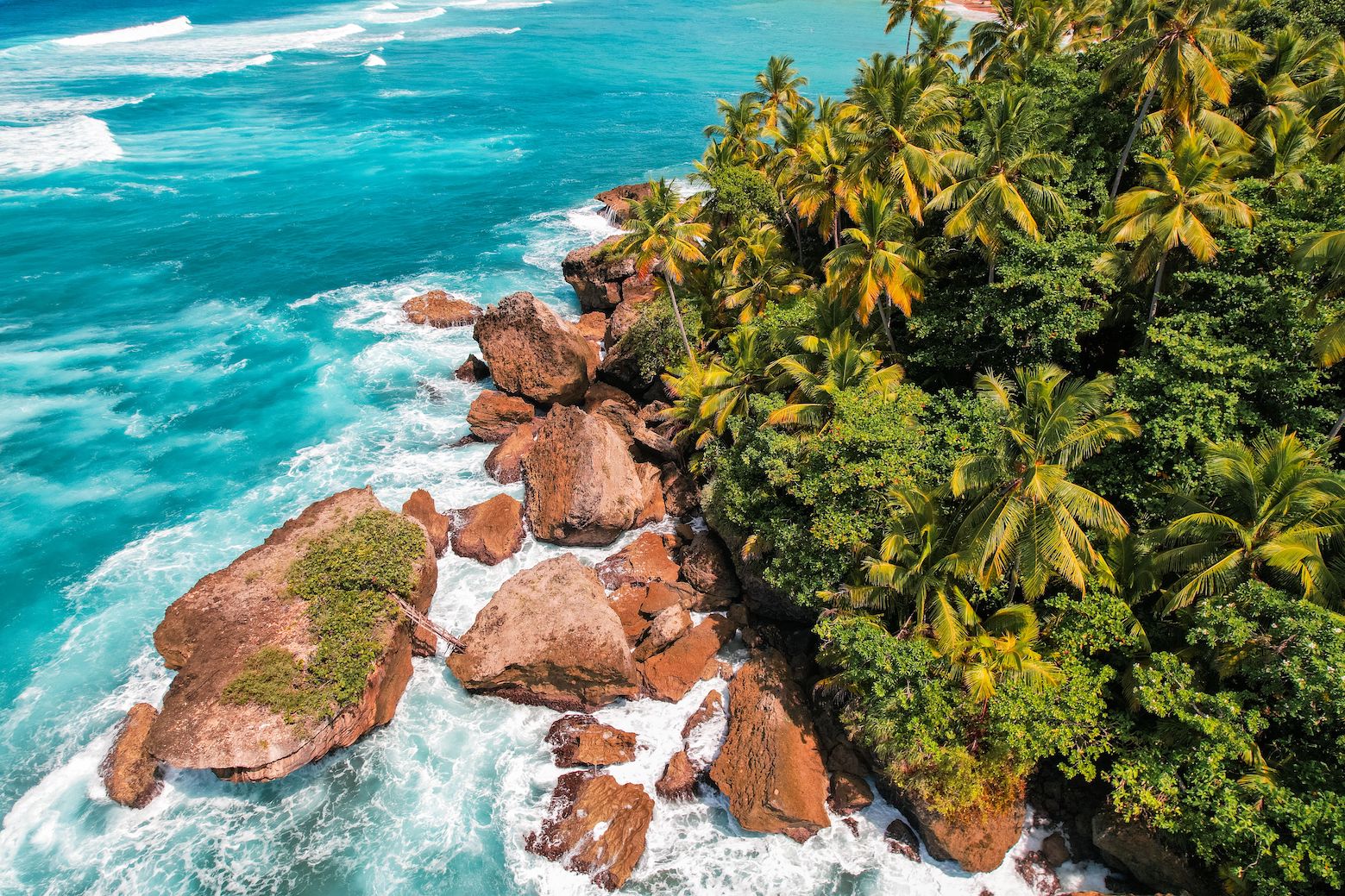
Dominica, Caribbean
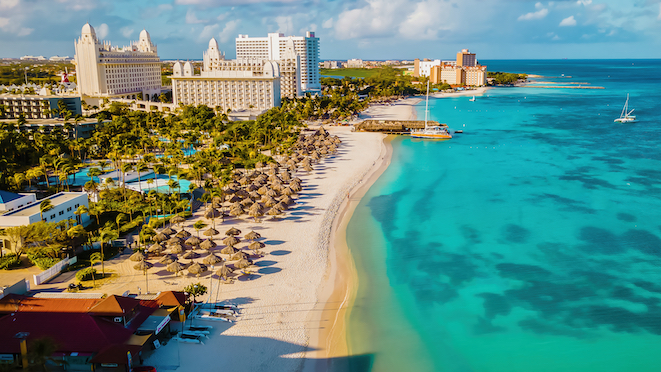
The Bahamas
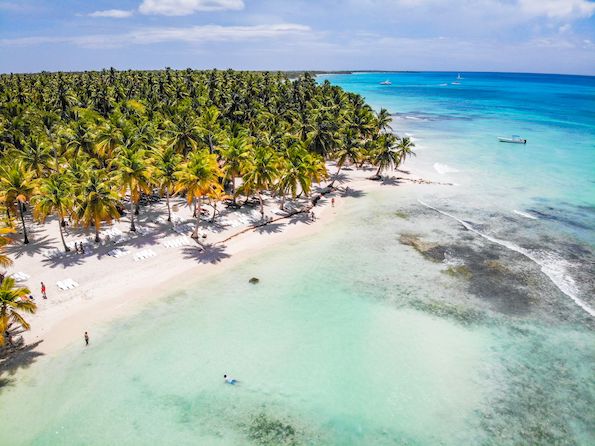
Dominican Republic
To see more Waypoints in The Caribbean, please become a member here.

|
Waypoint Finder (Over 1,000 destinations in PanAmerica) |
|---|


Nature
Tours that connect us with nature.
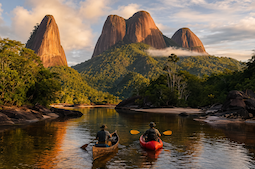
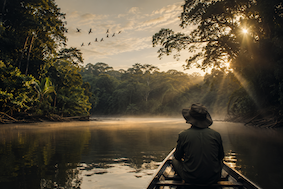
Explore the Tambopata Amazon Reserve
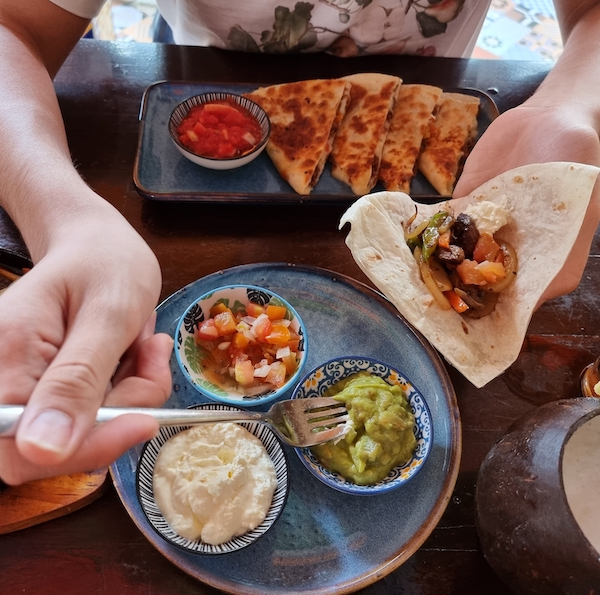
Food & Culture
What's coming up of interest to tourism specialists in Pan America.
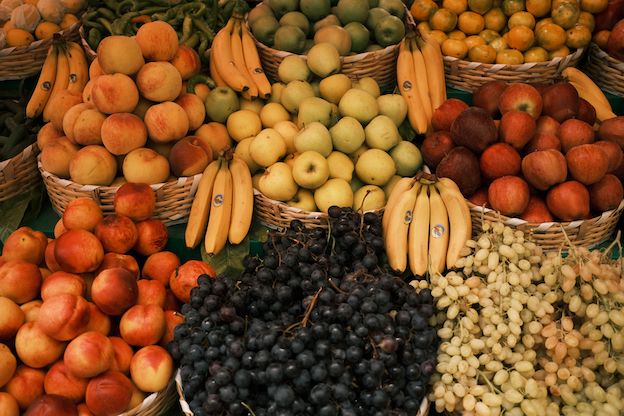
Real City Tours – Exotic Fruits Tour in Medellín, Colombia
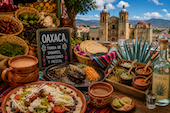
Oaxaca Food & Culture Tour – A Culinary Journey Through Mexico’s Indigenous Flavors
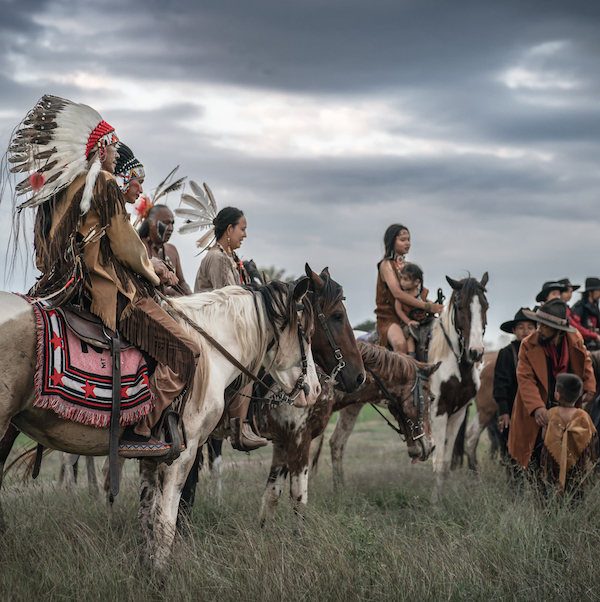
Indigenous Tours
Fashion, romance and wellness for travelers seeking confidence and style.
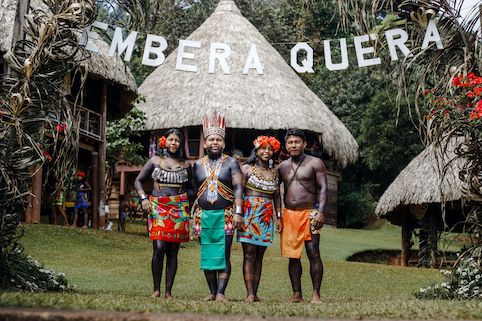
Experience the Emberá of the Darién – On the Only Expedition Operated by An Indigenous Community
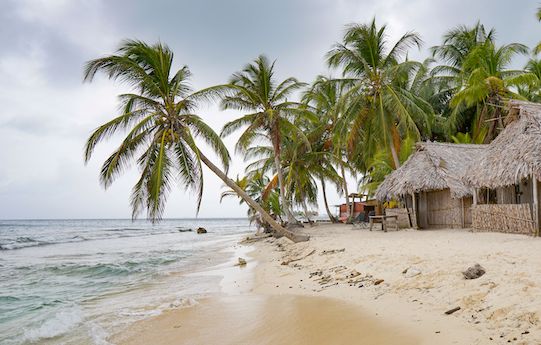
Indigenous Cultural Tour Guna Yala – Discover the Exotic San Blas Islands
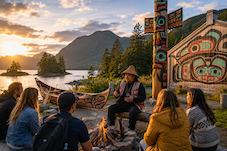
Indigenous Canada Tour – Explore First Nations, Inuit And Métis Cultures
Outdoor Sports
Fashion, romance and wellness for travelers seeking confidence and style.
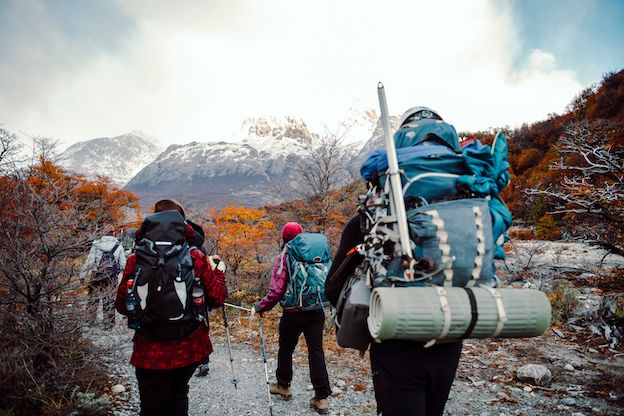
North Patagonia Ice Field Expedition Tour In Chile