|
So Many Places To Visit!
|
------- |
Central America |
CENTRAL AMERICA -- NATURAL AREA -----------------467[ARTICLE] | |||
Dominica, CaribbeanBy Estefanía Muriel for Ruta Pantera on 12/20/2025 5:22:34 AM |
||||
|
Dominica is an island country located in the Lesser Antilles of the Caribbean, situated between the French islands of Guadeloupe (to the north) and Martinique (to the south). Its capital and main port city is Roseau. Dominica is prized for its mountainous topography, rainforests, rivers, volcanoes, and lush natural beauty, features that have earned it the nickname “Nature Island.”
Historically, the island was colonized by Europeans, although its first inhabitants were indigenous peoples. Over time, Dominica experienced British and French colonization; it finally gained its independence from the United Kingdom in 1978. Since then, it has been a parliamentary republic within the Commonwealth, with self-governance. What Makes Dominica Unique Dominica has a relatively small land area, measuring approximately 47 km at its longest point and 26 km in width, making it a compact island to explore. Despite its size, it boasts impressive natural diversity: rainforests, waterfalls, volcanic beaches, navigable rivers, and geothermal sites. Its biodiversity includes protected areas and unique ecosystems that set it apart from other Caribbean destinations. Another interesting fact is that the official language is English, but a French Antillean Creole known as Kwéyòl is also spoken. Although the official currency is the East Caribbean dollar (XCD), U.S. dollars are widely accepted. Highlights You Can't Miss Exploring Dominica’s nature is a must, from easy hikes to challenging expeditions. Hiking sections of the Waitukubuli National Trail (approximately 185 km in total) allows travelers to cross forests, mountains, and local communities. |
||||
|
|
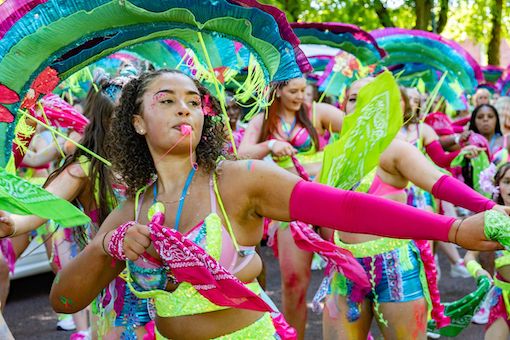
For water lovers, snorkeling or diving at volcanic sites such as Champagne Reef is a unique experience, where bubbles rise from the seabed due to geothermal activity, creating the sensation of swimming in “champagne.” A boat trip on the Indian River, surrounded by lush vegetation and mangroves, is also popular; scenes from Pirates of the Caribbean: Dead Man’s Chest were filmed there. Cultural highlights include Mas Domnik (Dominican Carnival), celebrated between February and March with parades, music, and costumes, and the World Creole Music Festival in October, featuring Creole music, reggae, zouk, and bouyon. As for food, modest restaurants offer affordable meals, with simple dishes around $8 USD. A three-course dinner for two at a mid-range restaurant typically ranges from $22 to $40 USD. Many travelers recommend guesthouses, small local eateries, and roadside stands for authentic Creole cuisine. Options for Further Discovery In Roseau, visitors can explore the Dominica Museum, housed in a former market and post office dating back to 1810, featuring exhibits on colonial history, indigenous culture, crafts, geology, and archaeology. Nature lovers should not miss Morne Trois Pitons National Park, a UNESCO World Heritage Site, home to the famous Boiling Lake, waterfalls, mud geysers, rainforests, and volcanic landscapes. Morne Diablotin National Park, in the north, protects the island’s highest mountain and habitats for endemic species such as the sisserou parrot, Dominica’s national symbol. For a more relaxed experience, the Dominica Botanical Gardens in Roseau offer a peaceful green space, while Jack’s Walk leads to Morne Bruce, a viewpoint with panoramic views of the city and the Caribbean. Many natural attractions have free or very low entrance fees. The Best Way to Get There Dominica can be reached by flying to Douglas-Charles Airport (Melville Hall) or the smaller Canefield Airport near Roseau. The distance from Melville Hall to Roseau is about 46 km, roughly a 50-minute drive; taxis typically cost between $15 and $18 USD. Accommodation options range from guesthouses and eco-lodges to mid-range hotels, generally costing between $60 and $140 USD per night. To get around the island, visitors can use minibuses, taxis, or rental cars; renting a car is often recommended due to hilly terrain and travel times. Driving is on the left. The best time to visit is during the dry season, from November to April. Practical and Safety Tips Dominica is generally safe, but basic precautions are advised: avoid isolated areas at night and keep valuables secure. Carry some cash, as ATMs and card facilities may be limited in remote areas. Hiring local guides is recommended for hiking and mountain excursions. Pack lightweight waterproof clothing, sturdy walking shoes, sunscreen, and insect repellent. Always carry water and snacks on hikes, check weather conditions, and respect local culture, language, and traditions. Dominica rewards travelers with unspoiled nature, adventure, and authentic Caribbean experiences. |
|||
|
|
| --rutapanter.com-- |
| Instagram: | Email contact: | Interest area: |
The San Juan Islands, United States
Located in the far northwest of Washington state, near the Canadian border and between the mainland and Vancouver Island, the San Juan Islands are an archipelago of mor [read more.]
Whistler, Alabama, United States
Whistler is a small community located in Mobile County, Alabama, in the southeastern United States. It is not a traditional tourist town or a mass tourism destination, [read more.]
Vancouver, United States
Vancouver is a city located in Washington state, just north of the Columbia River and across the river from Portland, Oregon. Although many people confuse it with the f [read more.]
Napa Valley, California. United States
Napa Valley is one of the world's most prestigious wine regions, located in Northern California, approximately 80 kilometers from San Francisco. Its modern history be [read more.]
Grand Canyon, United States
The Grand Canyon is one of the most iconic natural landmarks in the world, located in northern Arizona and carved over millions of years by the Colorado River. Stretchi [read more.]
Salt Lake City, United States
Salt Lake City is the capital of the state of Utah and the cultural and economic center of the region known as the Wasatch Front. Founded in 1847 by Mormon pioneers led [read more.]
Malibu, United States
Malibu is a coastal city located in the state of California, about 30 miles west of downtown Los Angeles. Known for its scenic beaches, Pacific Ocean cliffs, and celebr [read more.]
To see more Waypoints in North America, please become a member here.
The Frida Kahlo Museum
The Frida Kahlo Museum, known worldwide as the Blue House, is located in the heart of Coyoacán, one of Mexico City’s oldest and most culturally rich neighborhoods. B [read more.]
Dominica, Caribbean
Dominica is an island country located in the Lesser Antilles of the Caribbean, situated between the French islands of Guadeloupe (to the north) and Martinique (to the south). Its capital and [read more.]
Granada, Nicaragua
Granada, also known as the "Great Sultana," is one of Nicaragua's most prominent colonial cities, renowned for its abundance of churches and religious facades. Founded in the 16th century, [read more.]
Isla Mujeres, México
Off the coast of Cancún, just 19.7 kilometers across the Caribbean Sea, lies Isla Mujeres, “a small paradise where Mayan history, island tranquility, and sustainable tourism converge” ( [read more.]
Holbox Island, Mexico
Holbox Island, whose name means "black hole" in Mayan and is pronounced "hol-bosh," is a peaceful island located in the Yucatán Channel, north of the peninsula, in the state of Quintana Roo [read more.]
Barra del Colorado, Costa Rica
Barra del Colorado is a remote enclave located on the northeastern tip of Costa Rica's Caribbean coast, in the province of Limón, bordering Nicaragua. It has been protected as a National [read more.]
Zihuatanejo, Mexico
Zihuatanejo is a former fishing village located in the bay of the same name, surrounded by the Sierra Madre del Sur mountains. It developed alongside Ixtapa since the 1970s, but retaining it [read more.]
To see more Waypoints in Central America, please become a member here.
The Salt Cathedral of Zipaquirá, Colombia
The Salt Cathedral of Zipaquirá is an underground temple carved into a former salt mine, located in the Salt Park on the outskirts of Zipaquirá (Cundinamarca). Its modern architecture comb [read more.]
Christ the Redeemer, Rio de Janeiro
Christ the Redeemer stands atop Corcovado Mountain, within Tijuca National Park, dominating the Rio de Janeiro skyline with an imposing and serene presence. This monumental statue, 30 meters [read more.]
Fernando de Noronha, Brazil
Fernando de Noronha is a small volcanic archipelago in the South Atlantic. It is famous for its golden sand beaches, crystal-clear waters, and abundant marine life; much of the territory (ap [read more.]
Florianópolis, Brazil
Florianópolis, affectionately known as Floripa, is the capital of the state of Santa Catarina, located partly on Santa Catarina Island and partly on the mainland in southern Bra
[read more.]
Chapada Diamantina, Brazil
Chapada Diamantina National Park, created in 1985 and managed by ICMBio, protects over 152,000 hectares of the Serra do Sincorá mountain range in the state of Bahia. Its territory encompass [read more.]
The Great Pantanal, Brazil
The Gran Pantanal is the world’s largest expanse of tropical wetlands, a vast territory of floodplains that extends primarily across the Brazilian states of Mato Grosso do Sul and Mato Gro [read more.]
Sacramento Colony, Uruguay.
Colonia del Sacramento, on Uruguay's western coast opposite Buenos Aires, is a magnet for those seeking photogenic charm, cobblestone streets, and a leisurely pace. Founded by the Portugue [read more.]
To see more Waypoints in South America, please become a member here.
Port of Spain, Trinidad and Tobago
Puerto Rico
The Colonial Capital of Santo Domingo
El Yunque, Puerto Rico
Eagles Bay, Dominican Republic
To see more Waypoints in The Caribbean, please become a member here.

|
Waypoint Finder (Over 1,000 destinations in PanAmerica) |
|---|