 |
So Many Places To Visit!
|
----------- |

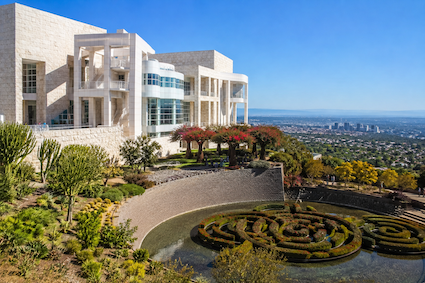
The Getty Center rises above Los Angeles as a masterpiece of modern architecture, where Italian travertine, geometric forms, natural light, gardens, and sweeping city views create a seamless dialogue 
United States Related Articles: |
UNITED STATES -- METROPOLIS -----------------546[ARTICLE] | |||
The Getty Center, Los Angeles, California, USAA Modern Architectural Landmark Where Stone, Light, Geometry, and Landscape Become ArtBy Marbel Montoya for Ruta Pantera on 9/9/2026 10:30:37 AM |
||||
|
Perched high in the Santa Monica Mountains above Los Angeles, the Getty Center is much more than a museum. Designed by American architect Richard Meier and opened in 1997, the complex is one of the most significant examples of late-20th-century modern architecture in Southern California. Its buildings, plazas, gardens, terraces, and circulation systems were conceived as an integrated architectural experience, creating a destination where visitors move continuously between art, architecture, nature, and panoramic views of Los Angeles. (getty.edu) Richard Meier's Vision on the Hilltop The Getty Center occupies a dramatic hilltop site overlooking Los Angeles, from the Pacific Ocean toward the San Gabriel Mountains. Rather than treating the landscape as a backdrop, Meier incorporated the geography of the site into the architecture itself. The complex is organized as a carefully planned campus of twelve buildings connected by plazas, courtyards, terraces, gardens, and walkways. (getty.edu) The journey begins before visitors even reach the museum buildings. A computer-operated tram carries visitors from the parking structure at street level up the hillside to the Getty Center, creating a gradual transition from the city below to the architectural world above. The arrival plaza then establishes the geometric language that defines the complex, with strong lines, open spaces, stone surfaces, and carefully framed views. (getty.edu) |
||||

|
Travertine, Steel, Glass, and Geometry One of the Getty Center's most distinctive characteristics is its extensive use of Italian travertine. Approximately 1.2 million square feet of the stone cover the complex, with around 16,000 tons transported from Bagni di Tivoli, near Rome. The stone ranges from light beige to honey tones, changing in appearance as Southern California sunlight moves across its textured surfaces. (getty.edu) Meier selected travertine because of its associations with permanence, solidity, simplicity, warmth, and craftsmanship. The stone was also split along its natural grain, revealing fossilized leaves, branches, and other impressions embedded within some of the surfaces. These details give the otherwise highly controlled modernist architecture a direct physical connection to geological time. (getty.edu) The travertine is contrasted with glass, steel, concrete, and Meier's characteristic white architectural elements. This combination creates a dialogue between heavy and light materials: massive stone walls appear beside transparent glass surfaces, while solid geometric volumes are interrupted by open courtyards and terraces. Architecture Designed Around Light Natural light is one of the fundamental elements of the Getty Center's design. Large glass walls bring sunlight deep into the buildings, while computer-assisted louvers and shades regulate the intensity of the light inside. The museum's upper-level galleries are designed to receive natural illumination through carefully controlled systems that protect the artworks while allowing visitors to experience changing daylight. (getty.edu) The result is an architecture that changes throughout the day. Morning light emphasizes the brightness of the stone and white surfaces, while afternoon light creates warmer tones across the travertine. Shadows, reflections, and changing views become part of the experience, meaning that the same courtyard or building can appear completely different depending on the hour and weather. |
|||
 Add this article to your favorites
[FOR MEMBERS ONLY]
Add this article to your favorites
[FOR MEMBERS ONLY]
Copy this link to send this article to a friend: [FOR MEMBERS ONLY] |
||||

|
The Central Garden as a Living Sculpture At the center of the complex, landscape artist Robert Irwin created the Central Garden as an essential component of the Getty's architectural experience. Covering approximately 134,000 square feet, the garden was conceived not simply as landscaping but as a work of art that visitors physically enter and experience. (getty.edu) Its design incorporates more than 500 varieties of plants, a stream, stone waterfall, pool, winding paths, sculpted vegetation, and bougainvillea-covered structures. The garden's organic forms deliberately interact with Meier's geometric architecture, creating a contrast between straight lines and natural growth. (getty.edu) From above, the garden appears almost like a large abstract composition. From within, the experience becomes more intimate, with changing textures, sounds, colors, scents, and reflections. Irwin's famous statement, “Always changing, never twice the same,” is incorporated into the garden as a reminder that the work continuously evolves with nature. (getty.edu) |
|||
| Buildings Connected by Movement and Space The Getty Center was designed to encourage movement rather than confine visitors to individual buildings. Open plazas and terraces connect the different museum pavilions, while bridges, stairs, elevators, courtyards, and pathways create constantly changing perspectives. This circulation is an important part of Meier's architectural strategy. Visitors are repeatedly offered new views of the buildings, gardens, mountains, and city. Architecture is therefore experienced through movement: a wall becomes a frame, a courtyard becomes a viewpoint, and a staircase creates a new relationship between the visitor and the surrounding landscape. The Getty Research Institute adds another architectural dimension through its distinctive circular form. Its curved walls and interior circulation contrast with the predominantly rectilinear geometry of the museum pavilions, while an oculus brings natural light into the building's reading room. (getty.edu) |
||||
| A Dialogue Between Architecture and Los Angeles Perhaps the most remarkable aspect of the Getty Center is the way it frames Los Angeles. From terraces and courtyards, visitors can look across the enormous urban grid toward the Pacific Ocean, downtown Los Angeles, and the distant San Gabriel Mountains. The city becomes part of the museum's visual composition. The Getty's architecture also creates a striking contrast with the city below. Los Angeles is known for its sprawling horizontal landscape, while the Getty introduces a highly ordered architectural environment above it. The geometric organization of the campus provides a sense of clarity and rhythm against the vastness of the metropolitan area. Visiting the Getty as an Architectural Experience The Getty Center offers free admission, although visitors are required to reserve a timed-entry reservation. The complex is open Tuesday through Friday and Sunday from 10:00 a.m. to 6:30 p.m., and Saturdays from 10:00 a.m. to 9:00 p.m.; it is closed on Mondays. (getty.edu) Visitors interested specifically in architecture can also join free daily Art, Architecture, and Garden tours. These tours explore the campus and explain how the buildings, gardens, materials, and spaces were conceived as a unified experience. (getty.edu) Even travelers who are not particularly interested in museums can spend several hours at the Getty simply exploring its architecture. The travertine walls, dramatic staircases, glass façades, gardens, terraces, fountains, courtyards, and views create an experience that functions almost like an enormous open-air architectural exhibition. Where Architecture Becomes the Destination The Getty Center demonstrates how a museum can become a work of architecture in its own right. Richard Meier's carefully controlled geometry, the tactile quality of Italian travertine, the movement of natural light, Robert Irwin's evolving garden, and the extraordinary views across Los Angeles combine to create an environment in which architecture is not simply a container for art—it becomes part of the art experience itself. For travelers interested in design, architecture, landscape, or contemporary culture, the Getty is one of Los Angeles' most compelling destinations. |
||||
| --rutapanter.com-- | ||
|
References: Getty. (n.d.). Architecture At The Getty Center. https://www.getty.edu/ Getty. (n.d.). Gardens At The Getty Center. https://www.getty.edu/ Getty. (n.d.). Making Architecture: The Getty Center. https://www.getty.edu/ Getty. (n.d.). Center Art, Architecture, And Garden Tour. https://www.getty.edu/
| |
|
| Instagram: | Email contact: | Interest area: |

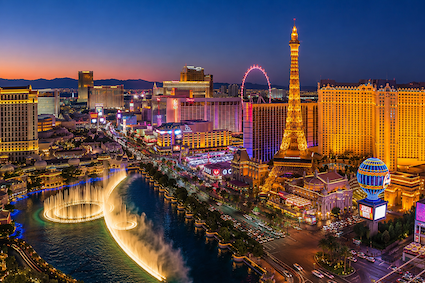
Las Vegas, Nevada, USA
Las Vegas is a city built around spectacle, imagination, and constant reinvention. Rising from the Mojave Desert in southern Nevada, it has transformed from a railroad [read more.]
The Getty Center, Los Angeles, California, USA
Perched high in the Santa Monica Mountains above Los Angeles, the Getty Center is much more than a museum. Designed by American architect Richard Meier and opened in 19 [read more.]
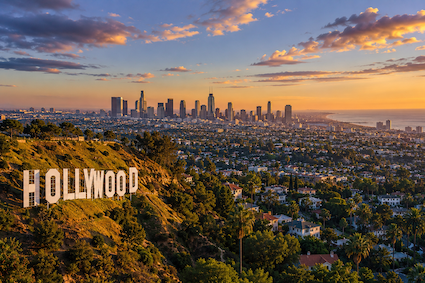
Los Angeles, California, USA
Los Angeles is a city built on movement, creativity, and reinvention. Stretching from the Santa Monica Mountains to the Pacific Ocean, it combines the glamour of Hollyw [read more.]
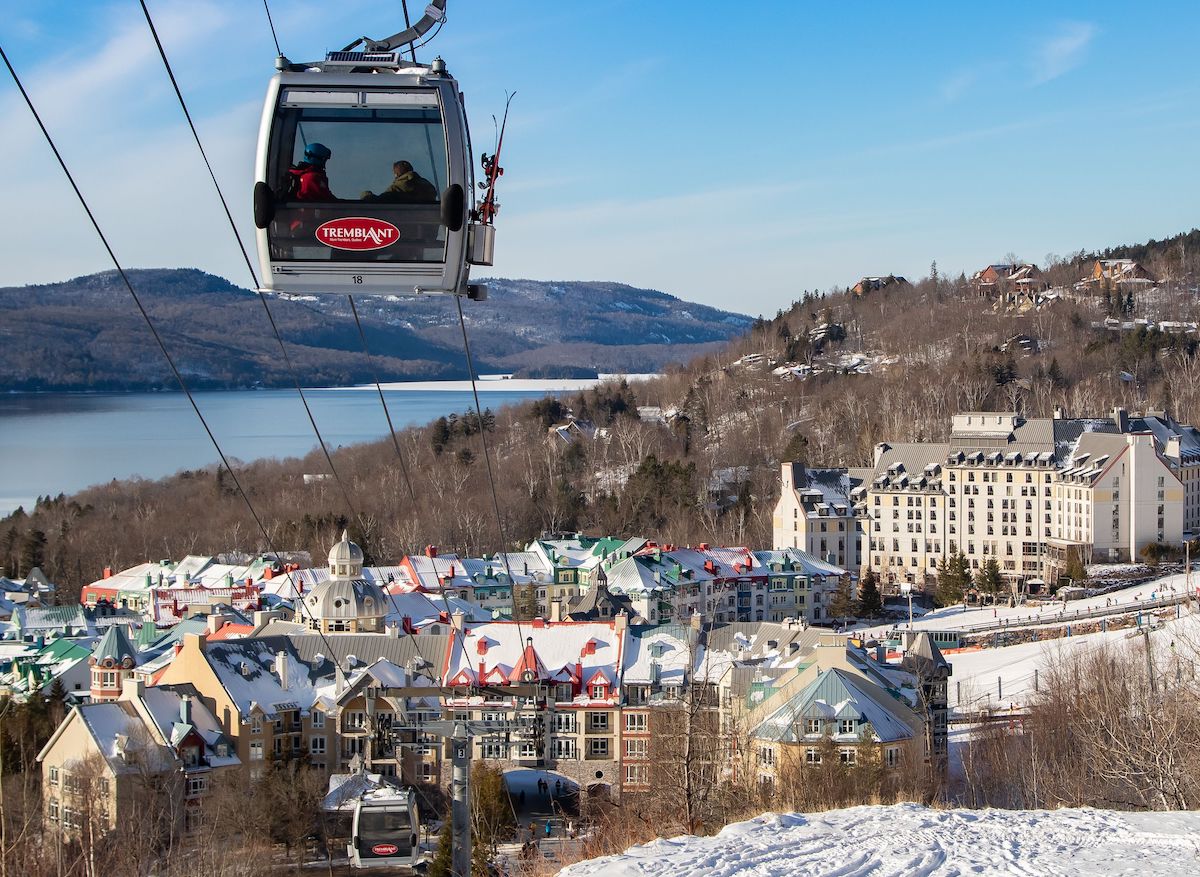
Mont-Tremblant, Canada
Mont-Tremblant, in the province of Quebec, Canada, is a city located in the Laurentian Mountains, about 125 kilometers from Montreal. Although sometimes informally refe [read more.]
To see more Waypoints in North America, please become a member here.
Monterrey, Mexico
Monterrey, capital of Nuevo León, is one of northern Mexico's most important cities and a destination where industrial history, contemporary culture, regional cuisin [read more.]
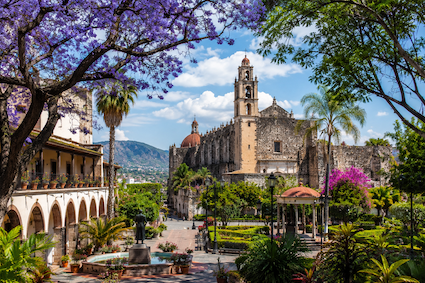
Cuernavaca, México
Cuernavaca is a city of gardens, historic estates, ancient traditions, and a remarkably mild climate. Located in the state of Morelos, approximately 85 kilometers south [read more.]

Costa Rica, Lemon
Limón, officially Puerto Limón, is Costa Rica's Caribbean gateway and a city whose identity was shaped as much by migration as by the sea. Christopher Columbus arri [read more.]
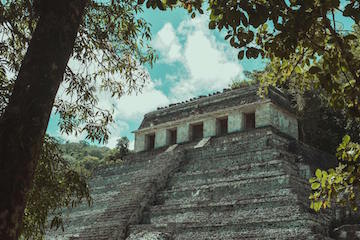
Palenque, Mexico
Palenque is one of the most remarkable places in the Maya world, where monumental architecture, rainforest and the history of a powerful ancient dynasty come together. [read more.]
To see more Waypoints in Central America, please become a member here.
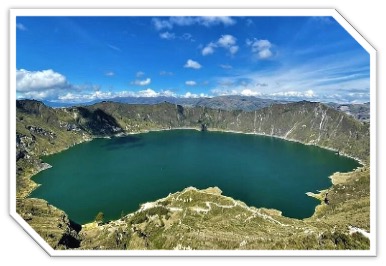
Lagoon Quilotoa, Ecuador
Quilotoa is one of Ecuador’s most spectacular high-altitude landscapes: a water-filled volcanic caldera set at approximately 3,914 meters in the Andes of Cotopaxi Pro [read more.]
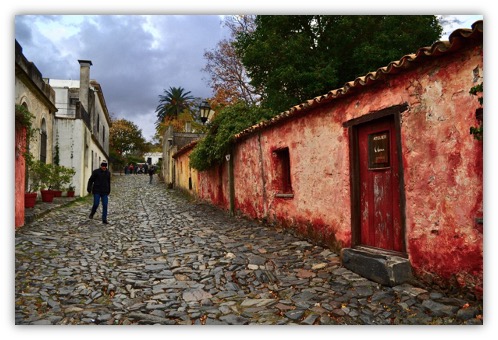
Sacramento Colony, Uruguay.
Colonia del Sacramento is one of Uruguay’s most atmospheric destinations, a small city on the Río de la Plata where Portuguese and Spanish history survives in street [read more.]
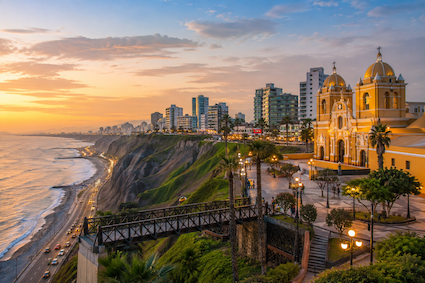
Lima, Perú
Lima is a city where Peru's ancient civilizations, colonial history, Pacific coastline, and contemporary creativity converge. Set along dramatic coastal cliffs overlo [read more.]
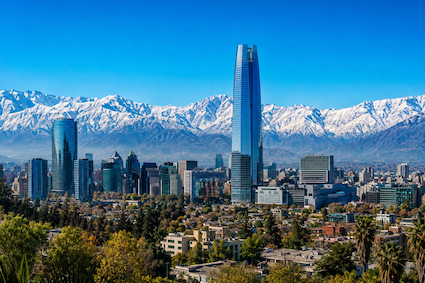
Santiago, Chile
Santiago is a city defined by contrasts: a sophisticated modern capital surrounded by the dramatic peaks of the Andes, a historic center shaped by centuries of Chilean [read more.]
To see more Waypoints in South America, please become a member here.
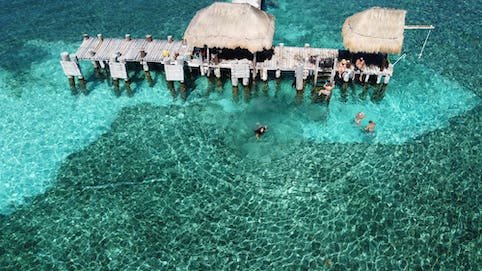
Isla Mujeres, México
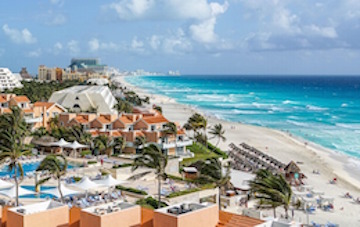
Cancún, Caribbean
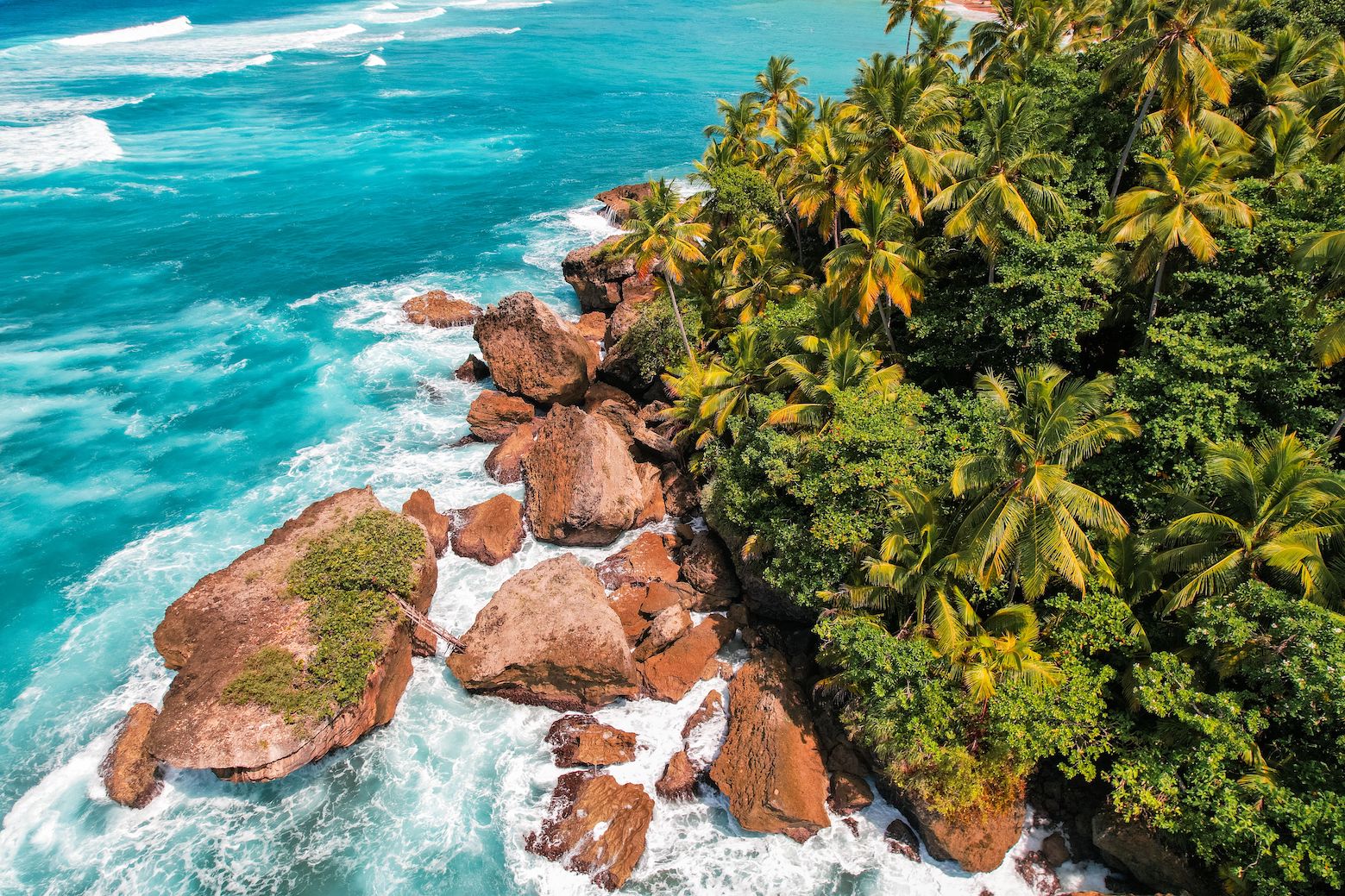
Dominica, Caribbean
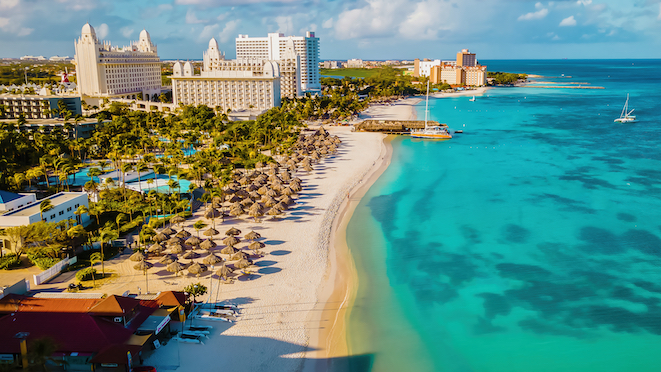
The Bahamas
To see more Waypoints in The Caribbean, please become a member here.

|
Waypoint Finder (Over 1,000 destinations in PanAmerica) |
|---|



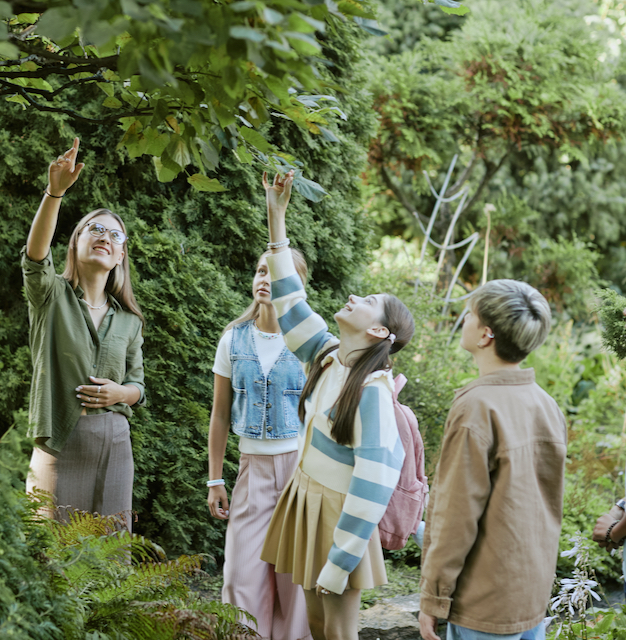
Nature
Tours that connect us with nature.

Explore the Tambopata Amazon Reserve

Food & Culture
What's coming up of interest to tourism specialists in Pan America.

Real City Tours – Exotic Fruits Tour in Medellín, Colombia

Oaxaca Food & Culture Tour – A Culinary Journey Through Mexico’s Indigenous Flavors

Indigenous Tours
Fashion, romance and wellness for travelers seeking confidence and style.

Experience the Emberá of the Darién – On the Only Expedition Operated by An Indigenous Community
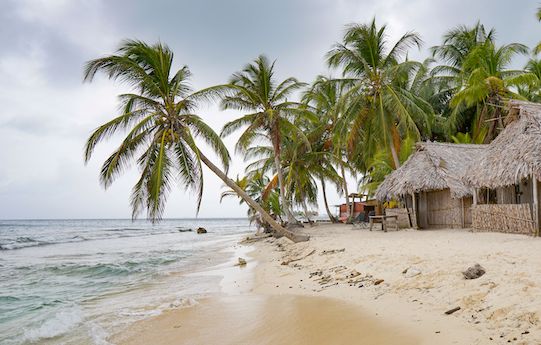
Indigenous Cultural Tour Guna Yala – Discover the Exotic San Blas Islands
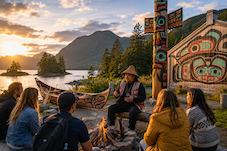
Indigenous Canada Tour – Explore First Nations, Inuit And Métis Cultures
Outdoor Sports
Fashion, romance and wellness for travelers seeking confidence and style.

North Patagonia Ice Field Expedition Tour In Chile