 |
So Many Places To Visit!
|
----------- |

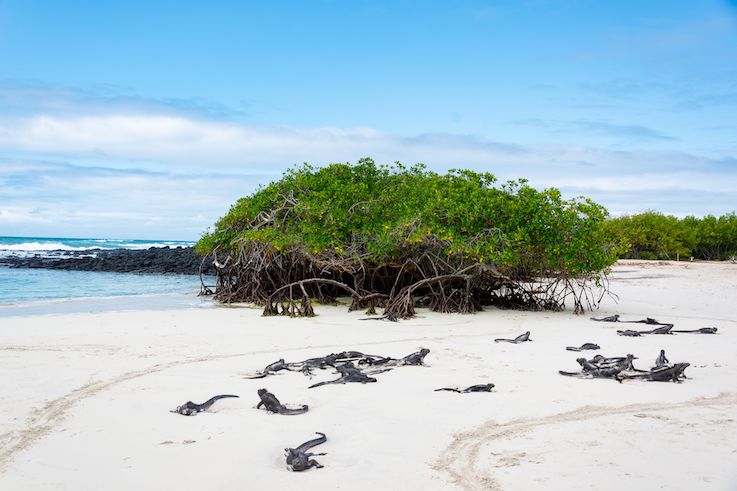
Volcanic landscapes, crystal-clear waters, and extraordinary wildlife make the Galápagos Islands one of the world's most remarkable destinations for nature and adventure travel. Photo by Diego F. Parr 
Ecuador Related Articles: |
ECUADOR -- NATURAL AREA -----------------610[ARTICLE] | |||
Galápagos Islands, EcuadorThe Volcanic Archipelago Where Evolution Comes to LifeBy Heydi Bernal for Ruta Pantera on 8/8/2026 2:53:39 PM |
||||
|
If there is one destination that forever changed humanity's understanding of the natural world, it is the Galápagos Islands. Rising from the Pacific Ocean nearly 1,000 kilometers (620 miles) off the coast of Ecuador, this extraordinary volcanic archipelago is one of the most biologically unique places on Earth. Famous for inspiring Charles Darwin's theory of evolution by natural selection, the islands offer travelers the rare opportunity to observe wildlife that evolved in isolation for millions of years. Giant tortoises, marine iguanas, blue-footed boobies, sea lions, and penguins coexist in an environment where nature remains remarkably pristine, making the Galápagos one of the world's premier destinations for wildlife tourism. A Living Laboratory of Evolution The Galápagos Islands consist of 13 major islands, 6 smaller islands, and more than 100 islets and rocky outcrops formed by volcanic activity over millions of years. Located on the Nazca tectonic plate, the archipelago continues to evolve as underwater volcanoes create new land while older islands gradually erode. Approximately 97 percent of the land area is protected as Galápagos National Park, established in 1959, while the surrounding waters form one of the world's largest marine reserves. The islands gained worldwide recognition after Charles Darwin visited aboard HMS Beagle in 1835. His observations of finches, tortoises, and other endemic species helped shape the scientific principles that would later become the theory of evolution. Today, visitors can explore iconic sites such as Santa Cruz Island, home to the Charles Darwin Research Station; Española Island, famous for waved albatrosses and blue-footed boobies; Isabela Island, the largest island in the archipelago with active volcanoes; Bartolomé Island, known for its iconic Pinnacle Rock; and Genovesa Island, often called "Bird Island" because of its extraordinary seabird colonies. |
||||

|
Wildlife Encounters Unlike Anywhere Else on Earth The Galápagos offer exceptional wildlife viewing throughout the year thanks to the convergence of several ocean currents that support an incredibly rich marine ecosystem. Temperatures generally range from 21°C to 30°C (70°F to 86°F), with the warm season running from December through May and the cooler, drier season from June through November. Both seasons provide excellent opportunities for exploration, although marine wildlife activity often peaks during the cooler months. Visitors can enjoy snorkeling with sea lions, sea turtles, reef sharks, rays, and colorful tropical fish, while guided hikes reveal lava fields, volcanic craters, cactus forests, and nesting colonies of endemic birds. Popular activities also include scuba diving, kayaking, paddleboarding, wildlife photography, and naturalist-led cruises that visit multiple islands under strict conservation guidelines. The archipelago is home to species found nowhere else on Earth, including the Galápagos giant tortoise, marine iguana, flightless cormorant, Galápagos penguin, Darwin's finches, lava lizards, and numerous endemic plants. Because the islands are one of the world's most fragile ecosystems, visitor numbers are carefully managed, and certified naturalist guides accompany most excursions to ensure minimal environmental impact. Fresh seafood dominates local cuisine, with specialties including grilled lobster, yellowfin tuna, red snapper, ceviche, shrimp, and Ecuadorian dishes prepared with tropical ingredients. Meals generally range between USD 15 and USD 40, while upscale waterfront restaurants may charge more depending on the menu and location. Accommodations range from comfortable guesthouses starting around USD 80 per night to luxury eco-lodges and expedition yachts that can exceed USD 600 per night. |
|||
 Add this article to your favorites
[FOR MEMBERS ONLY]
Add this article to your favorites
[FOR MEMBERS ONLY]
Copy this link to send this article to a friend: [FOR MEMBERS ONLY] |
||||

|
Getting There and What to Expect The Galápagos Islands are accessible only by air from mainland Ecuador, with regular flights departing from Quito and Guayaquil to Seymour Airport (GPS) on Baltra Island and San Cristóbal Airport (SCY). Upon arrival, travelers pay a Galápagos National Park entrance fee and are subject to strict biosecurity inspections designed to protect the islands' delicate ecosystems from invasive species. |
|||
| Most visitors spend five to eight days exploring the archipelago, either by island-hopping between Santa Cruz, Isabela, San Cristóbal, and Floreana or aboard small expedition cruises that reach more remote islands and visitor sites. Every itinerary offers close encounters with wildlife, volcanic landscapes, and some of the clearest marine environments in the Pacific Ocean. | ||||
| The Galápagos Islands are far more than a tropical destination—they are one of the world's greatest natural classrooms. Every volcanic shoreline, every giant tortoise, and every encounter with wildlife offers a powerful reminder of the remarkable processes that shaped life on Earth. For travelers who dream of experiencing nature at its purest, few places are as inspiring as this legendary Pacific archipelago. | ||||
| --rutapanter.com-- | ||
|
References: UNESCO World Heritage Centre. (n.d.). Galápagos Islands. https://whc.unesco.org/ Galápagos National Park Directorate. (n.d.). Official Visitor Information. https://galapagos.gob.ec/ Charles Darwin Foundation. (n.d.). Galápagos Conservation. https://www.darwinfoundation.org/ Ecuador Travel. (n.d.). Galápagos Islands. https://ecuador.travel/
| |
|
| Instagram: | Email contact: | Interest area: |


Las Vegas, Nevada, USA
Las Vegas is a city built around spectacle, imagination, and constant reinvention. Rising from the Mojave Desert in southern Nevada, it has transformed from a railroad [read more.]
The Getty Center, Los Angeles, California, USA
Perched high in the Santa Monica Mountains above Los Angeles, the Getty Center is much more than a museum. Designed by American architect Richard Meier and opened in 19 [read more.]

Los Angeles, California, USA
Los Angeles is a city built on movement, creativity, and reinvention. Stretching from the Santa Monica Mountains to the Pacific Ocean, it combines the glamour of Hollyw [read more.]
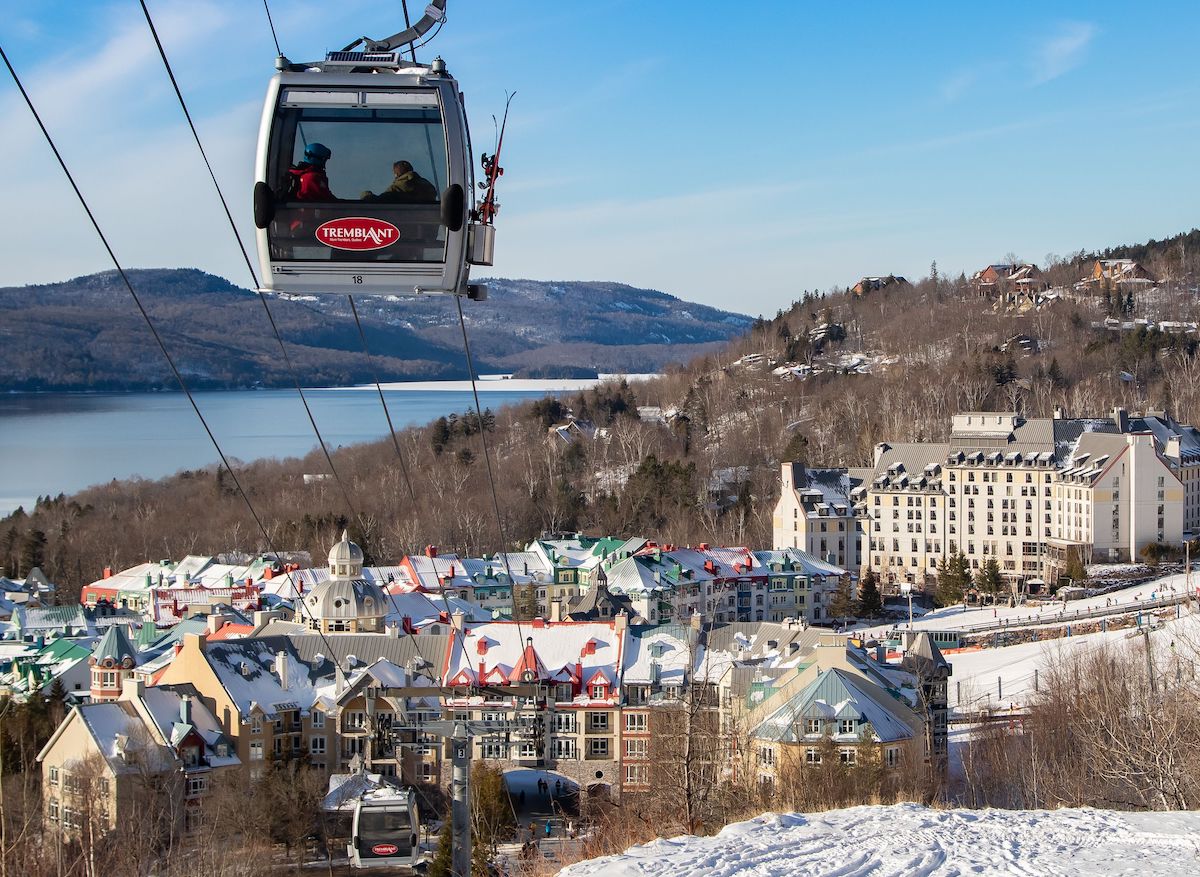
Mont-Tremblant, Canada
Mont-Tremblant, in the province of Quebec, Canada, is a city located in the Laurentian Mountains, about 125 kilometers from Montreal. Although sometimes informally refe [read more.]
To see more Waypoints in North America, please become a member here.
Monterrey, Mexico
Monterrey, capital of Nuevo León, is one of northern Mexico's most important cities and a destination where industrial history, contemporary culture, regional cuisin [read more.]
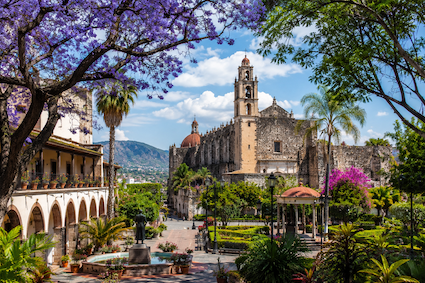
Cuernavaca, México
Cuernavaca is a city of gardens, historic estates, ancient traditions, and a remarkably mild climate. Located in the state of Morelos, approximately 85 kilometers south [read more.]
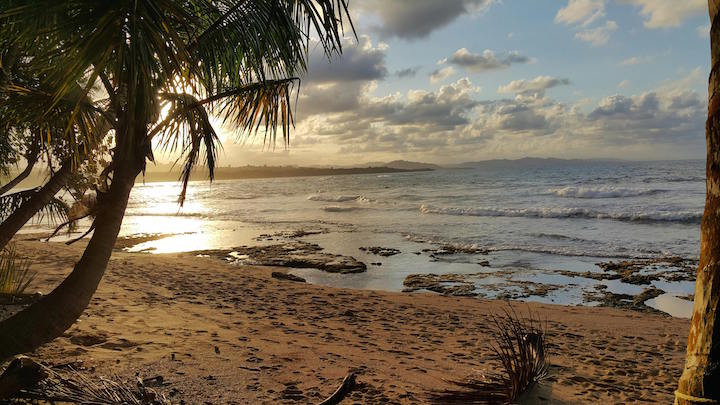
Costa Rica, Lemon
Limón, officially Puerto Limón, is Costa Rica's Caribbean gateway and a city whose identity was shaped as much by migration as by the sea. Christopher Columbus arri [read more.]
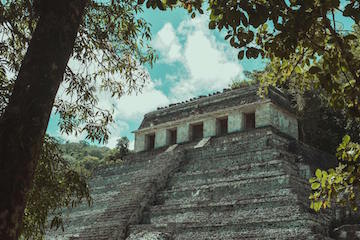
Palenque, Mexico
Palenque is one of the most remarkable places in the Maya world, where monumental architecture, rainforest and the history of a powerful ancient dynasty come together. [read more.]
To see more Waypoints in Central America, please become a member here.
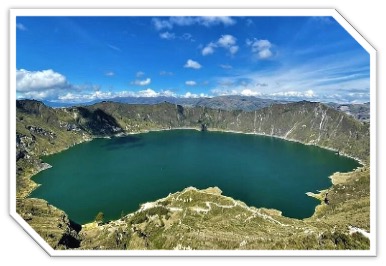
Lagoon Quilotoa, Ecuador
Quilotoa is one of Ecuador’s most spectacular high-altitude landscapes: a water-filled volcanic caldera set at approximately 3,914 meters in the Andes of Cotopaxi Pro [read more.]
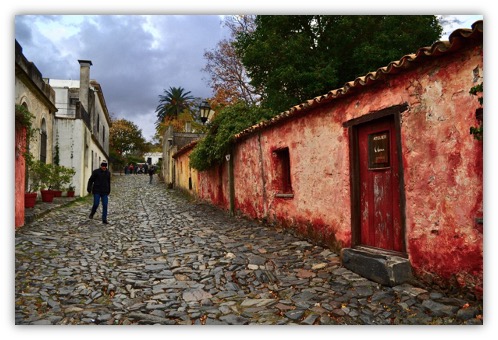
Sacramento Colony, Uruguay.
Colonia del Sacramento is one of Uruguay’s most atmospheric destinations, a small city on the Río de la Plata where Portuguese and Spanish history survives in street [read more.]
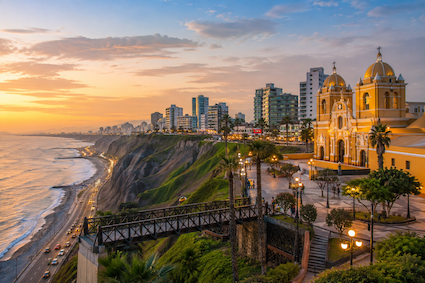
Lima, Perú
Lima is a city where Peru's ancient civilizations, colonial history, Pacific coastline, and contemporary creativity converge. Set along dramatic coastal cliffs overlo [read more.]
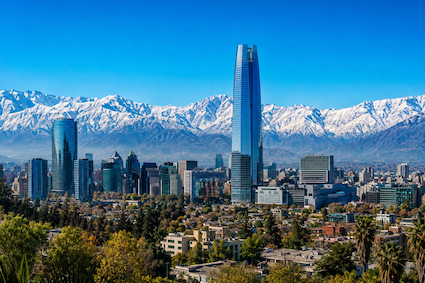
Santiago, Chile
Santiago is a city defined by contrasts: a sophisticated modern capital surrounded by the dramatic peaks of the Andes, a historic center shaped by centuries of Chilean [read more.]
To see more Waypoints in South America, please become a member here.
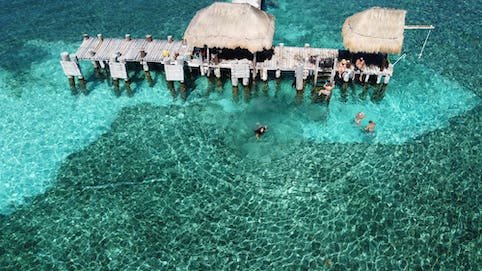
Isla Mujeres, México
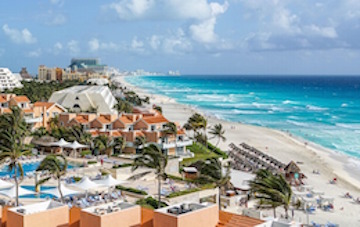
Cancún, Caribbean
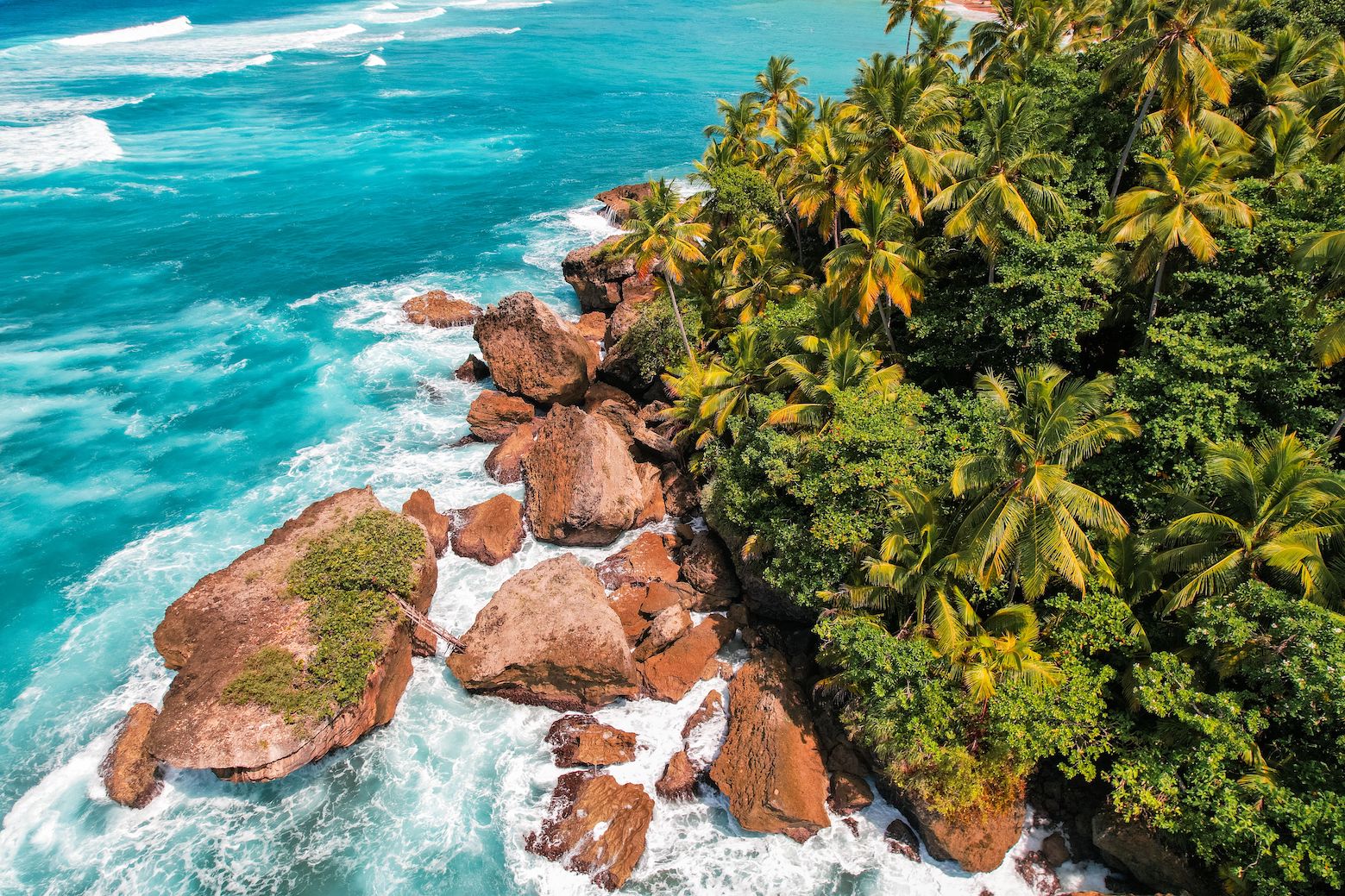
Dominica, Caribbean
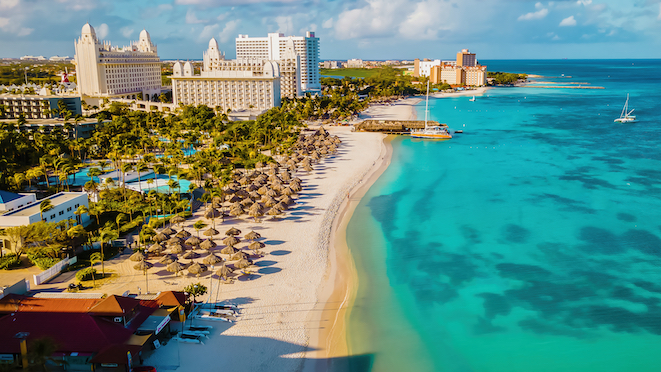
The Bahamas
To see more Waypoints in The Caribbean, please become a member here.

|
Waypoint Finder (Over 1,000 destinations in PanAmerica) |
|---|


Nature
Tours that connect us with nature.
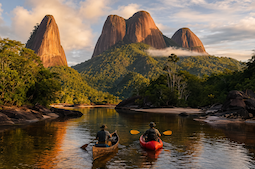
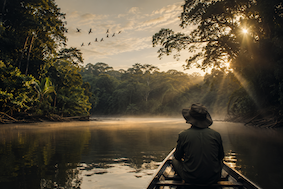
Explore the Tambopata Amazon Reserve
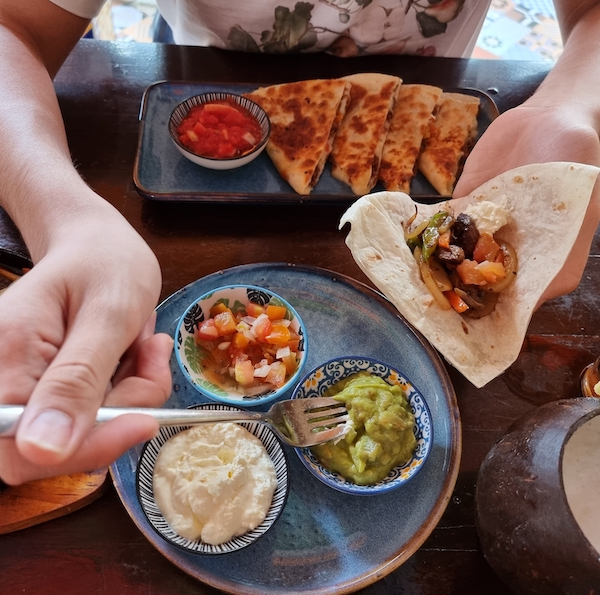
Food & Culture
What's coming up of interest to tourism specialists in Pan America.
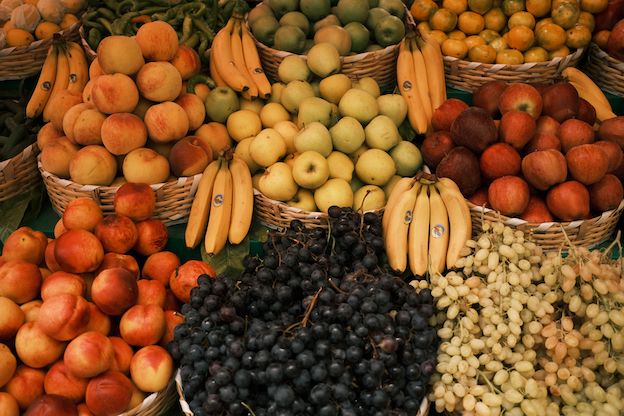
Real City Tours – Exotic Fruits Tour in Medellín, Colombia
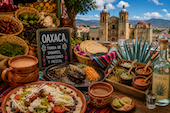
Oaxaca Food & Culture Tour – A Culinary Journey Through Mexico’s Indigenous Flavors
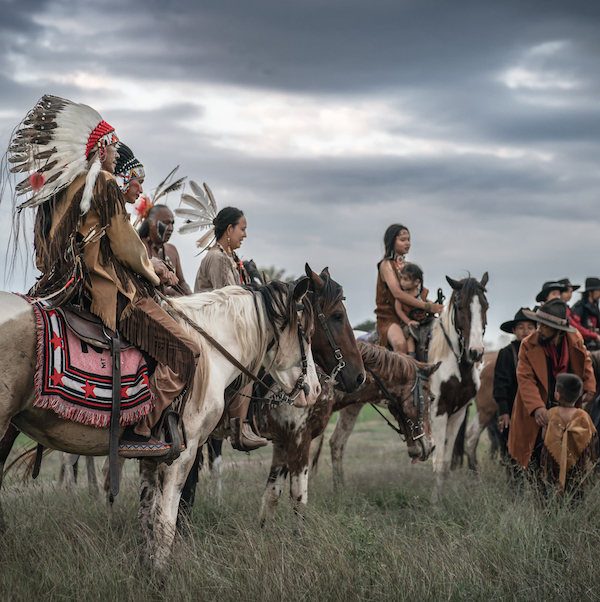
Indigenous Tours
Fashion, romance and wellness for travelers seeking confidence and style.
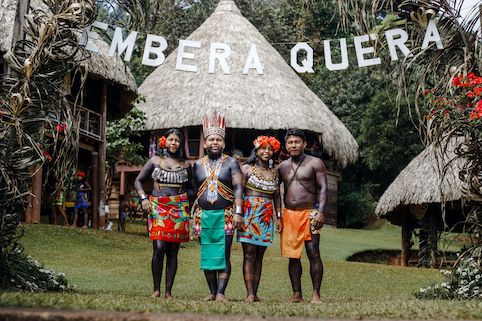
Experience the Emberá of the Darién – On the Only Expedition Operated by An Indigenous Community
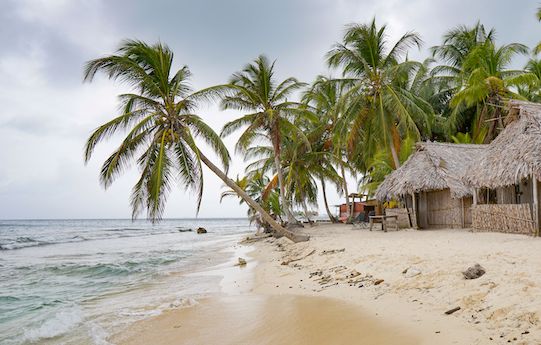
Indigenous Cultural Tour Guna Yala – Discover the Exotic San Blas Islands
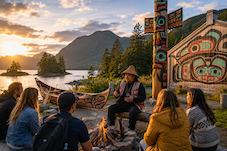
Indigenous Canada Tour – Explore First Nations, Inuit And Métis Cultures
Outdoor Sports
Fashion, romance and wellness for travelers seeking confidence and style.
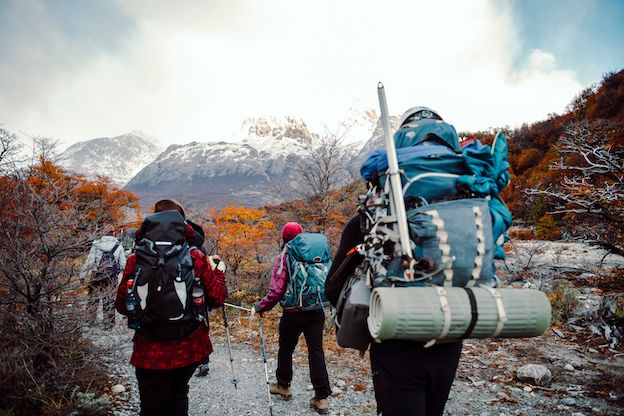
North Patagonia Ice Field Expedition Tour In Chile