 |
So Many Places To Visit!
|
----------- |

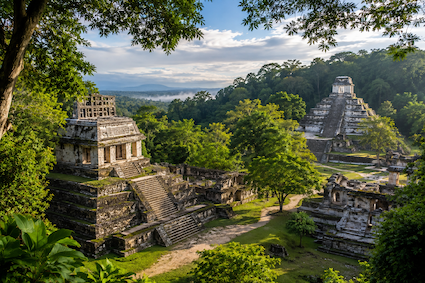
Palenque rises above the lush Chiapas rainforest, where ancient Maya temples, intricate stonework, ceremonial plazas, and towering tropical vegetation create a powerful connection between archaeology, 
Mexico Related Articles: |
MEXICO -- SACRED PLACE -----------------624[ARTICLE] | |||
Palenque, Chiapas, MexicoThe Ancient Maya City Where Architecture, Power, and Nature MeetBy Marbel Montoya for Ruta Pantera on 8/27/2026 1:11:24 PM |
||||
|
Palenque is one of Mexico's most fascinating archaeological destinations, not only because of the importance of its monuments but also because of the way the ancient city appears to emerge directly from the rainforest. In northern Chiapas, surrounded by tropical vegetation, waterways, and forest-covered hills, the temples, palaces, and plazas of this ancient Maya capital form an extraordinary archaeological landscape. The ancient city and National Park of Palenque were designated a UNESCO World Heritage Site in 1987 because of their exceptional historical, architectural, and natural significance. (whc.unesco.org) A Maya City Surrounded By Rainforest Palenque reached its greatest prominence during the Classic Maya period, particularly between the sixth and eighth centuries. During this era, the city became an important political and cultural center of the Maya lowlands, ruled by a dynasty that left behind some of the most detailed historical records discovered in the region. The surrounding landscape played an important role in the city's development. Numerous streams cross the archaeological area and provided water for its inhabitants, while the surrounding mountains and rainforest framed and protected the settlement. This relationship between architecture and nature remains one of Palenque's most remarkable characteristics. The Legacy Of Pakal The Great One of the most important figures in Palenque's history was K'inich Janaab' Pakal, better known as Pakal the Great. He ruled during the seventh century and presided over a period of significant architectural and artistic development. His reign was responsible for some of the city's most important monuments. (inah.gob.mx) The Temple of the Inscriptions is the monument most closely associated with Pakal. His tomb was discovered inside the structure in 1952 by Mexican archaeologist Alberto Ruz Lhuillier. The sarcophagus and inscriptions found within the complex provided extraordinary information about the life, genealogy, religion, and worldview of Palenque's rulers. The temple's funerary architecture also demonstrates the sophistication of Maya builders. The structure was conceived as a monumental stepped pyramid leading to an upper temple, while an internal staircase descends toward the burial chamber located deep within the monument. |
||||

|
The Palace And The Ceremonial Heart Of Palenque The Palace is another of the site's great architectural achievements. Rather than being a single building, it is an extensive complex of rooms, courtyards, galleries, corridors, and platforms that likely served administrative, ceremonial, and residential purposes. Its distinctive four-level tower is one of Palenque's most recognizable architectural features. Rising above the surrounding structures, the tower creates an extraordinary visual connection between the ancient city and the forested landscape beyond it. The interior courtyards also demonstrate the importance of open spaces within Maya architecture. Columns, sculptures, and decorated walls created settings for ceremonies and activities associated with the ruling elite, while plazas connected the city's principal buildings. Temples That Tell Stories The Cross Group brings together some of Palenque's most important buildings: the Temple of the Cross, the Temple of the Foliated Cross, and the Temple of the Sun. Their reliefs and inscriptions present scenes connected to Maya mythology, religion, and the legitimacy of the ruling dynasty. The Temple of the Sun is particularly notable for its state of preservation and the quality of its carved reliefs. Its roof comb and architectural orientation form part of a carefully designed complex intended to express religious and political ideas. Palenque's hieroglyphic inscriptions are equally significant. The texts record rulers' names, political events, ceremonies, conflicts, and family relationships, allowing researchers to reconstruct a substantial part of the city's dynastic history. |
|||
 Add this article to your favorites
[FOR MEMBERS ONLY]
Add this article to your favorites
[FOR MEMBERS ONLY]
Copy this link to send this article to a friend: [FOR MEMBERS ONLY] |
||||

|
The Rainforest As Part Of The Experience One of the characteristics that distinguishes Palenque from other major archaeological sites in Mexico is the constant presence of the rainforest. Visitors walk among enormous trees, tropical plants, and wildlife sounds while ancient structures gradually appear through the vegetation. Howler monkeys, tropical birds, insects, and countless plant species form part of the ecosystem surrounding the ruins. The humidity, scent of vegetation, and shade of the trees make exploring Palenque feel more like an expedition through an ancient landscape than a conventional archaeological visit. Palenque National Park protects both the archaeological heritage and the natural environment surrounding it. This combination helps visitors understand how the ancient Maya adapted to a complex tropical environment and made use of its natural resources. (whc.unesco.org) |
|||
| Beyond The Ruins Palenque also serves as a gateway to some of Chiapas' most spectacular natural landscapes. The waterfalls of Misol-Há and Agua Azul are among the region's most popular excursions, combining flowing water, tropical vegetation, and dramatic rock formations. Agua Azul is known for its series of cascades and natural pools surrounded by lush vegetation, while Misol-Há features a dramatic waterfall descending in front of a natural cave. Both experiences can complement an archaeological visit and reveal another dimension of Chiapas' extraordinary environment. Travelers interested in archaeology can also explore other Maya sites throughout the region, although some require longer journeys. Palenque's location makes the modern town a convenient base for discovering different aspects of northern Chiapas' cultural and natural heritage. Local Cuisine And Cultural Traditions The cuisine of the region reflects the cultural diversity of Chiapas. Local markets and restaurants offer tamales, meats, fish, tropical fruits, tortillas, pozol, and other traditional preparations based on regional ingredients. Pozol, a traditional drink made primarily from corn and water, remains an important part of culinary culture in many Chiapas communities. Visitors can also find varieties of tamales wrapped in banana leaves and prepared with different fillings, as well as dishes incorporating local herbs and produce. Regional crafts are another part of the experience. Textiles, decorative objects, woodwork, and products inspired by Maya traditions can be found in Palenque and nearby communities. Getting There And What To Expect The archaeological zone is located approximately 8 kilometers from the modern town of Palenque. The town provides hotels, restaurants, transportation, and tour services that make it a practical base for exploring the ruins and nearby natural attractions. (lugares.inah.gob.mx) The climate is tropical, warm, and humid throughout much of the year. Temperatures can be high and rainfall is frequent, particularly during the wet season. Lightweight clothing, comfortable walking shoes, sunscreen, insect repellent, and plenty of water are recommended for exploring the archaeological zone. Early morning is often the most comfortable time to visit, when temperatures are lower and the rainforest atmosphere can be especially immersive. Travelers should allow several hours to explore the principal architectural groups without rushing. |
||||
| An Experience Where History Feels Alive Palenque offers something few archaeological destinations can reproduce: the sensation of discovering an ancient civilization within a living ecosystem. Its temples reveal the architectural sophistication of the Maya, its inscriptions help reconstruct the history of its rulers, and its rainforest preserves the landscape that surrounded the city for centuries. Walking between the Palace, the Temple of the Inscriptions, and the Cross Group while tropical vegetation surrounds the ancient structures transforms Palenque into an experience where archaeology no longer feels distant—it becomes part of the landscape itself. |
||||
| --rutapanter.com-- | ||
|
References: UNESCO. (n.d.). Pre-Hispanic City and National Park of Palenque. https://whc.unesco.org/ Instituto Nacional de Antropología e Historia. (n.d.). Zona Arqueológica De Palenque. https://www.inah.gob.mx/ INAH Lugares. (n.d.). Palenque. https://lugares.inah.gob.mx/ Secretaría de Turismo de México. (n.d.). Palenque, Chiapas. https://www.gob.mx/sectur
| |
|
| Instagram: | Email contact: | Interest area: |

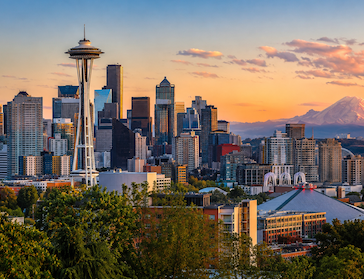
Seattle, Washington, USA
Seattle is a city where water, mountains, forests, and contemporary urban culture come together to create one of the most distinctive destinations on the Pacific Coast. [read more.]
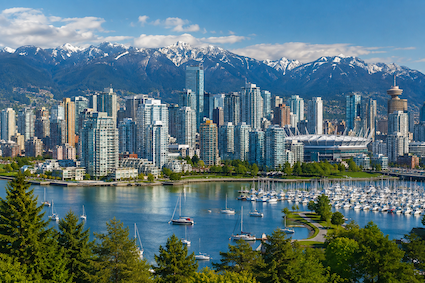
Vancouver, British Columbia, Canada
Vancouver is a city where dramatic natural landscapes and sophisticated urban life exist side by side. Located between the Pacific Ocean and the Coast Mountains in Brit [read more.]

New York City, New York, United States
If there is one city that symbolizes the energy, ambition, and diversity of the modern world, it is New York City. Home to more than eight million people representing h [read more.]
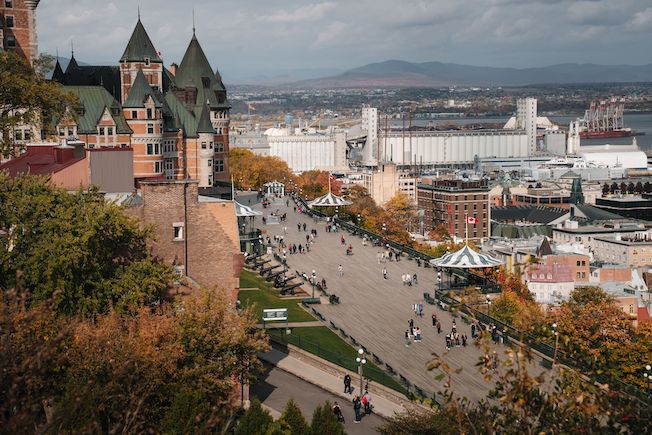
Québec City, Canada
If there is one city in North America that feels unmistakably European, it is Québec City. Perched above the St. Lawrence River, the provincial capital of Québec capt [read more.]
To see more Waypoints in North America, please become a member here.
Palenque, Chiapas, Mexico
Palenque is one of Mexico's most fascinating archaeological destinations, not only because of the importance of its monuments but also because of the way the ancient [read more.]
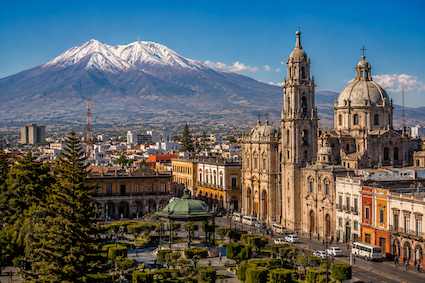
Toluca, México
Toluca is a high-altitude city where Mexico's colonial heritage, Indigenous traditions, contemporary culture, and dramatic volcanic landscapes come together. Located [read more.]
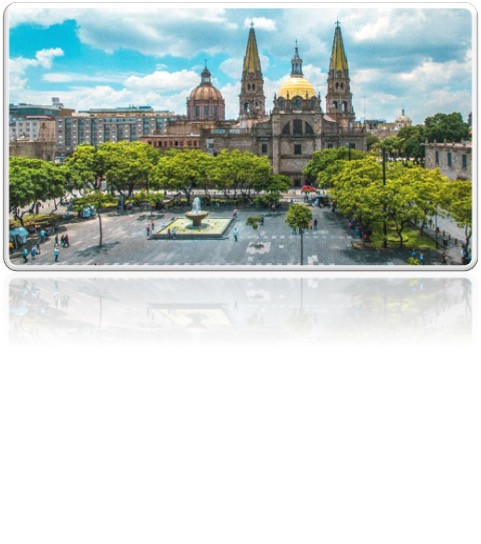
Guadalajara, Mexico
Guadalajara, the capital of the state of Jalisco, is one of Mexico’s most important cities for its history, culture, and economic dynamism. Officially founded on Febr [read more.]
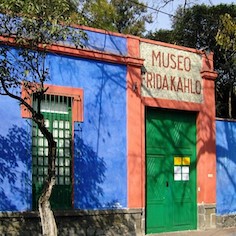
The Frida Kahlo Museum
The Frida Kahlo Museum, known worldwide as the Blue House, is located in the heart of Coyoacán, one of Mexico City’s oldest and most culturally rich neighborhoods. B [read more.]
To see more Waypoints in Central America, please become a member here.
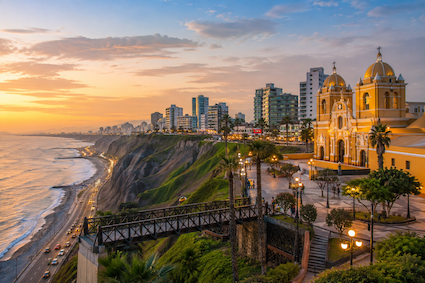
Lima, Perú
Lima is a city where Peru's ancient civilizations, colonial history, Pacific coastline, and contemporary creativity converge. Set along dramatic coastal cliffs overlo [read more.]
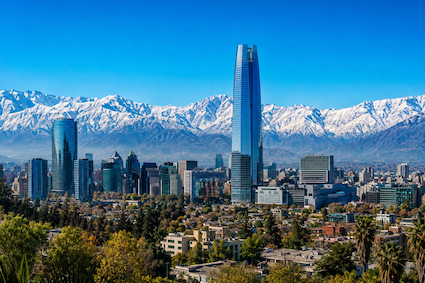
Santiago, Chile
Santiago is a city defined by contrasts: a sophisticated modern capital surrounded by the dramatic peaks of the Andes, a historic center shaped by centuries of Chilean [read more.]
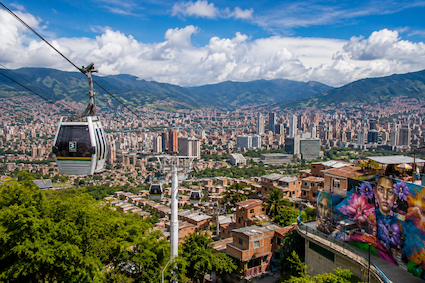
Medellín, Colombia
Medellín is a city shaped by mountains, creativity, resilience, and a remarkably pleasant climate. Set within the Aburrá Valley of Antioquia, Colombia's second-larg [read more.]
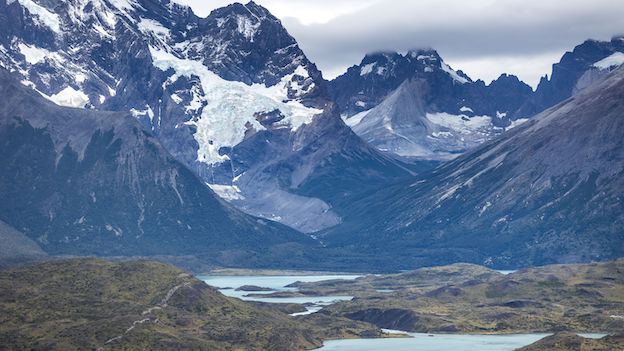
Patagonia, Argentina & Chile
If there is one destination that captures the true spirit of adventure, it is Patagonia. Stretching across southern Argentina and Chile for more than one million square [read more.]
To see more Waypoints in South America, please become a member here.
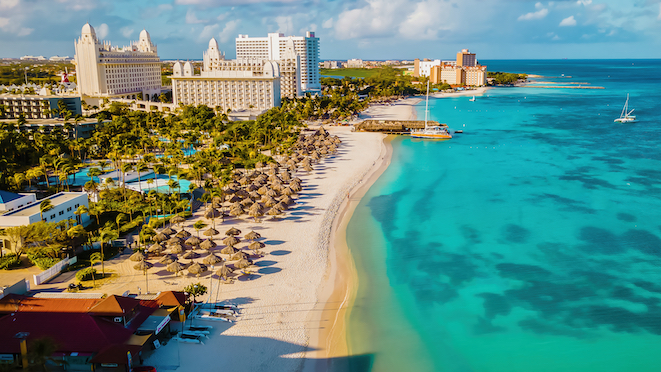
The Bahamas
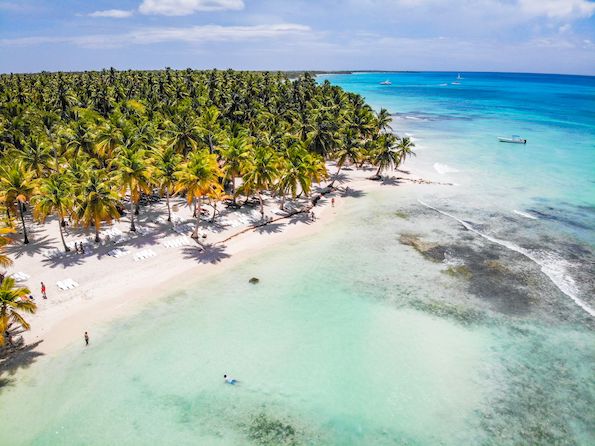
Dominican Republic
Port of Spain, Trinidad and Tobago
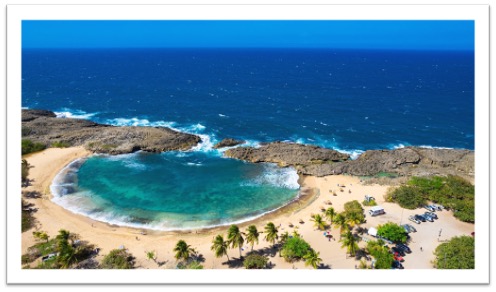
Puerto Rico
To see more Waypoints in The Caribbean, please become a member here.

|
Waypoint Finder (Over 1,000 destinations in PanAmerica) |
|---|

Nature
Tours that connect us with nature.
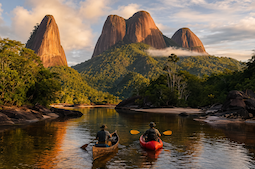
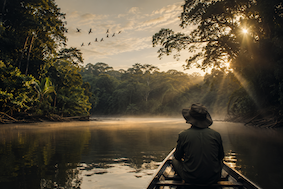
Explore the Tambopata Amazon Reserve
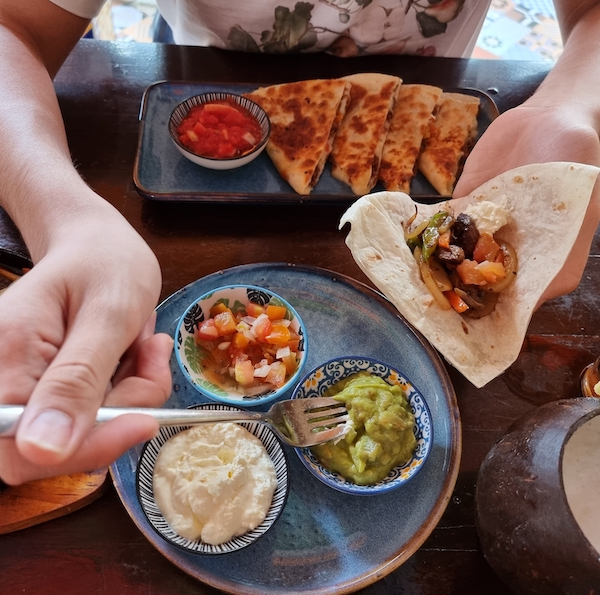
Food & Culture
What's coming up of interest to tourism specialists in Pan America.
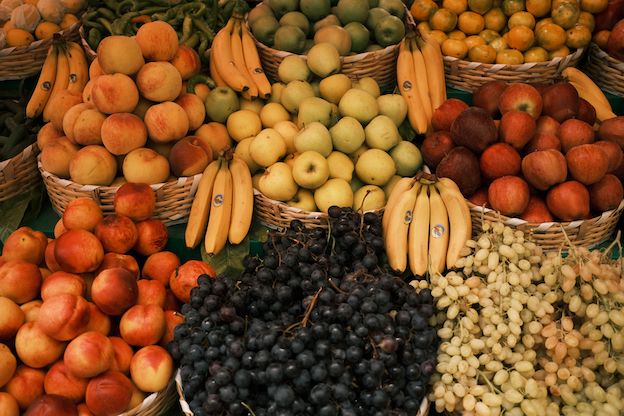
Real City Tours – Exotic Fruits Tour in Medellín, Colombia
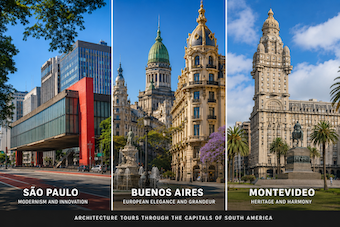
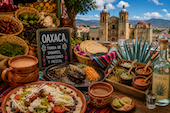
Oaxaca Food & Culture Tour – A Culinary Journey Through Mexico’s Indigenous Flavors
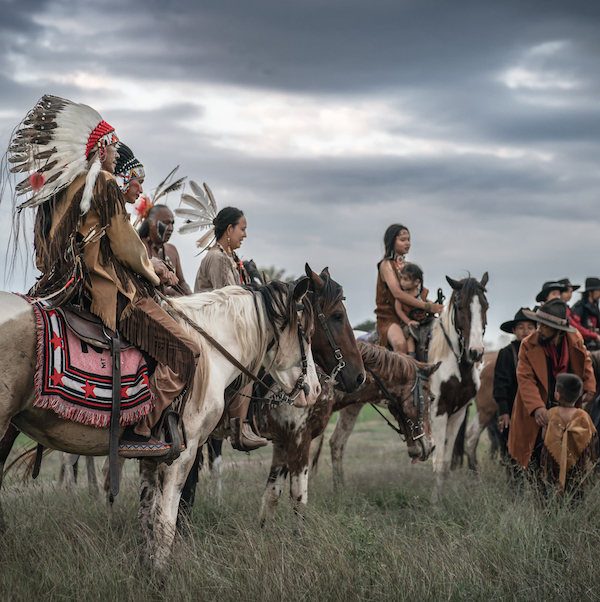
Indigenous Tours
Fashion, romance and wellness for travelers seeking confidence and style.
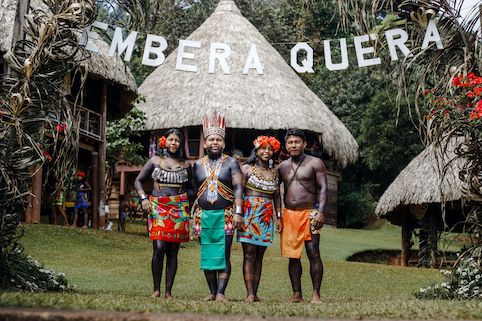
Experience the Emberá of the Darién – On the Only Expedition Operated by An Indigenous Community
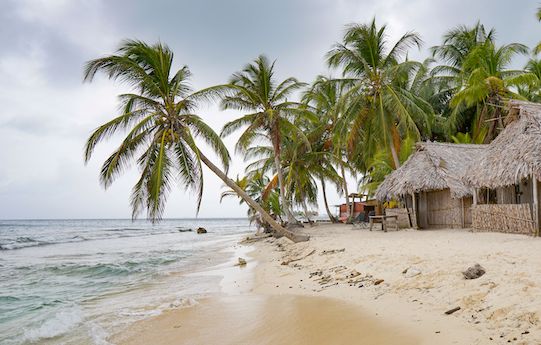
Indigenous Cultural Tour Guna Yala – Discover the Exotic San Blas Islands
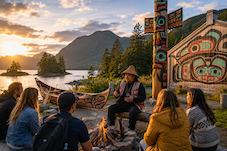
Indigenous Canada Tour – Explore First Nations, Inuit And Métis Cultures
Outdoor Sports
Fashion, romance and wellness for travelers seeking confidence and style.
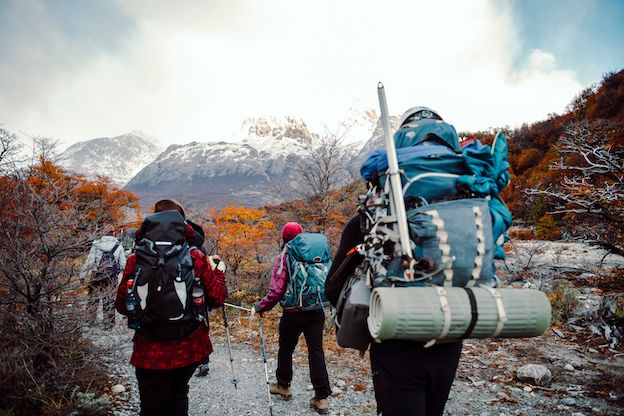
North Patagonia Ice Field Expedition Tour In Chile