 |
So Many Places To Visit!
|
----------- |

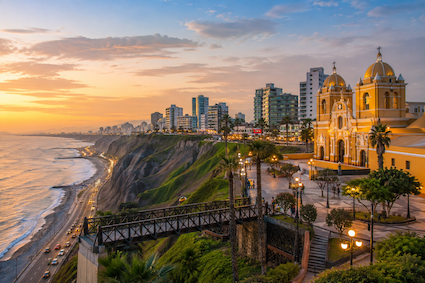
Lima glows at sunset along the Pacific coast, where green cliffs, historic architecture, palm-lined plazas, and a modern skyline reflect the diverse character and timeless beauty of Peru’s capital. 
Peru Related Articles: |
PERU -- METROPOLIS -----------------628[ARTICLE] | ||||||||
Lima, PerúThe Pacific Capital Where Ancient Civilizations, Colonial Heritage, and Contemporary Culture MeetBy Marbel Montoya for Ruta Pantera on 9/8/2026 1:11:24 PM |
|||||||||
|
Lima is a city where Peru's ancient civilizations, colonial history, Pacific coastline, and contemporary creativity converge. Set along dramatic coastal cliffs overlooking the Pacific Ocean, the capital is the country's political and cultural center and one of South America's most important gastronomic destinations. Founded by Spanish conquistador Francisco Pizarro in 1535, Lima developed into the administrative center of the Spanish Viceroyalty of Peru, but its history reaches much further back through the civilizations that occupied the region long before the arrival of Europeans. Its Historic Centre was declared a UNESCO World Heritage Site in 1988, recognizing its exceptional colonial architecture and cultural significance. (whc.unesco.org) A Capital Built On Layers Of History Lima's historic identity is visible in the architecture surrounding the Plaza Mayor, the traditional heart of the city. The Government Palace, Cathedral of Lima, Archbishop's Palace, and other historic buildings create a monumental urban landscape that reflects the importance Lima acquired during the colonial period. The Basílica y Convento de San Francisco is one of the city's most celebrated historic complexes. Its elaborate Baroque architecture, cloisters, religious art, and underground catacombs provide a deeper perspective on Lima's colonial past. The Historic Centre also contains balconies, churches, monasteries, plazas, and mansions that demonstrate the fusion of Spanish, Indigenous, and later influences that shaped the city. (whc.unesco.org) Yet Lima's history predates the colonial era by centuries. Archaeological sites such as Huaca Pucllana reveal the presence of ancient cultures within what is now the modern metropolis. Located in the Miraflores district, this monumental adobe pyramid was built by the Lima culture between approximately 200 and 700 AD and demonstrates how archaeological heritage remains integrated into the contemporary city. (huacapucllanamiraflores.pe) |
|||||||||

|
Neighborhoods That Define The Experience Miraflores is one of the city's most visited districts, combining Pacific Ocean views with parks, restaurants, hotels, shopping, and contemporary urban life. The Malecón stretches along the cliffs overlooking the Pacific and provides walking and cycling paths with panoramic views of the coastline. Parque del Amor, with its ocean-facing terraces and colorful mosaic work, is one of the neighborhood's most recognizable landmarks. Barranco offers a more artistic and bohemian atmosphere. Its historic houses, galleries, cafés, restaurants, murals, and independent cultural spaces have made it one of Lima's most creative districts. The Puente de los Suspiros, surrounded by traditional architecture and overlooking the Pacific, remains one of Barranco's best-known meeting points. San Isidro provides a more contemporary interpretation of Lima, with modern office towers, luxury hotels, restaurants, parks, and residential areas. The district is also home to Huaca Huallamarca, another pre-Hispanic archaeological site that demonstrates the remarkable depth of Lima's history. |
||||||||
 Add this article to your favorites
[FOR MEMBERS ONLY]
Add this article to your favorites
[FOR MEMBERS ONLY]
Copy this link to send this article to a friend: [FOR MEMBERS ONLY] Resorts & spas ----------------------------------------------
|
|||||||||

|
A Culinary Capital Of The Americas Food is one of the defining reasons to visit Lima. The city's cuisine reflects centuries of cultural exchange, bringing together Indigenous Peruvian ingredients with Spanish, African, Chinese, Japanese, Italian, and other influences. The result is one of the most diverse and internationally recognized culinary traditions in Latin America. Ceviche remains one of the city's signature dishes, prepared with fresh fish, lime, chili, onion, and other ingredients. Other Peruvian classics include causa, lomo saltado, ají de gallina, anticuchos, arroz con mariscos, and a wide variety of dishes based on potatoes, corn, seafood, and native peppers. Lima's contemporary restaurant scene has also earned international recognition. Chefs increasingly combine traditional ingredients with modern techniques, while neighborhoods such as Miraflores, Barranco, and San Isidro offer everything from informal cevicherías to sophisticated destination restaurants. The city's culinary identity extends from markets and street food to some of the most ambitious dining rooms in South America. Restaurants & bars -----------------------------------------
|
||||||||
| Experiences That Shape The Journey A visit to Lima is best experienced through a combination of history, food, architecture, and the Pacific coastline. Begin in the Historic Centre before continuing toward Miraflores and Barranco, allowing the journey to reveal the contrast between colonial Lima and the modern coastal metropolis. The Museo Larco provides another perspective on Peru's ancient civilizations. Located in an 18th-century vice-royal mansion built over a pre-Columbian pyramid, the museum houses an extensive collection of pre-Hispanic art and artifacts. Its gardens and architecture also provide a quieter experience away from the city's busiest districts. For travelers interested in the Pacific, the Malecón offers one of the best ways to experience Lima's relationship with the ocean. Paragliding from the cliffs of Miraflores provides a more adventurous perspective, while walking or cycling along the coastal paths allows visitors to appreciate the scale of the Pacific horizon. Lima's proximity to archaeological landscapes also makes it possible to explore destinations beyond the central districts. Pachacamac, located south of the city, was one of the most important religious centers on the Peruvian coast and contains temples, pyramids, plazas, and archaeological structures built by different pre-Hispanic cultures. Local attractions --------------------------------------------
|
|||||||||
| Getting There And What To Expect Jorge Chávez International Airport is Peru's principal international gateway and serves as the main arrival point for travelers visiting Lima before continuing to other destinations throughout the country. The airport has undergone a major expansion, strengthening its role as an important hub for international and domestic travel. Lima has a mild desert climate unlike many other tropical destinations at the same latitude. Rainfall is scarce, but coastal humidity and persistent cloud cover can be common during the cooler months. The period from December through April is generally warmer and sunnier, while winter, from June through September, tends to bring cooler temperatures and overcast skies. Accommodation ranges from luxury hotels overlooking the Pacific to boutique properties, contemporary hotels, and more affordable accommodations in neighborhoods such as Miraflores, Barranco, and San Isidro. Staying near the coast provides convenient access to restaurants, parks, cultural attractions, and the Malecón. Traffic can be one of Lima's biggest practical challenges. The metropolitan area is enormous, so organizing activities by neighborhood can save considerable time. Taxis and rideshare services are widely used, while public transportation can be useful for certain routes. Travelers should also allow additional time when moving between districts during peak traffic periods. A City Where Peru's Past Meets Its Pacific Future Lima is far more than a gateway to Machu Picchu or the Andes. It is a destination with its own powerful identity, where ancient temples stand beside modern buildings, colonial plazas coexist with contemporary art districts, and centuries-old culinary traditions continue to influence some of the world's most innovative restaurants. Its dramatic Pacific coastline, archaeological heritage, historic architecture, and multicultural cuisine make Lima one of the most complex and rewarding cities to explore in South America. What makes the capital compelling is the way these different layers remain visible and connected, allowing travelers to experience Peru's past, present, and evolving future within a single destination. Tour operators and guides -----------------------------------
|
|||||||||
| --rutapanter.com-- | ||
|
References: UNESCO. (n.d.). Historic Centre of Lima. https://whc.unesco.org/ PROMPERÚ. (n.d.). Lima. https://www.peru.travel/ Ministerio de Cultura del Perú. (n.d.). Cultural Heritage And Archaeological Sites. https://www.gob.pe/cultura Museo Larco. (n.d.). Pre-Columbian Art Museum. https://www.museolarco.org/
| |
|
| Instagram: | Email contact: | Interest area: |

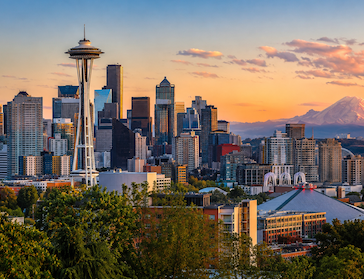
Seattle, Washington, USA
Seattle is a city where water, mountains, forests, and contemporary urban culture come together to create one of the most distinctive destinations on the Pacific Coast. [read more.]
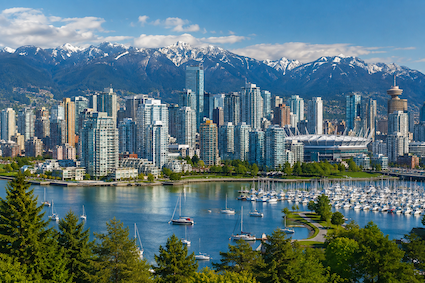
Vancouver, British Columbia, Canada
Vancouver is a city where dramatic natural landscapes and sophisticated urban life exist side by side. Located between the Pacific Ocean and the Coast Mountains in Brit [read more.]
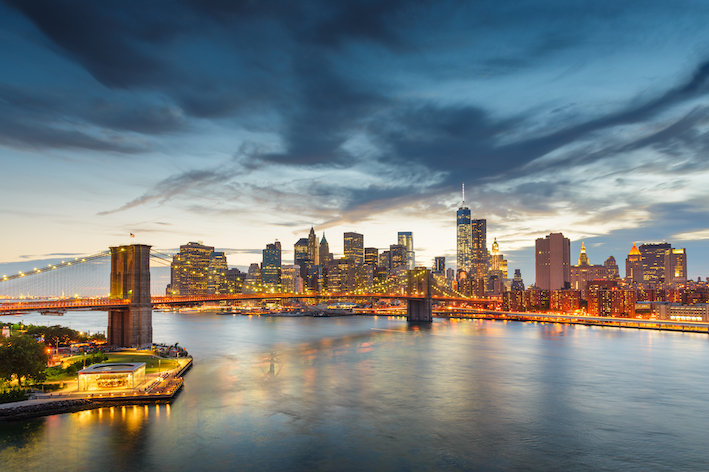
New York City, New York, United States
If there is one city that symbolizes the energy, ambition, and diversity of the modern world, it is New York City. Home to more than eight million people representing h [read more.]
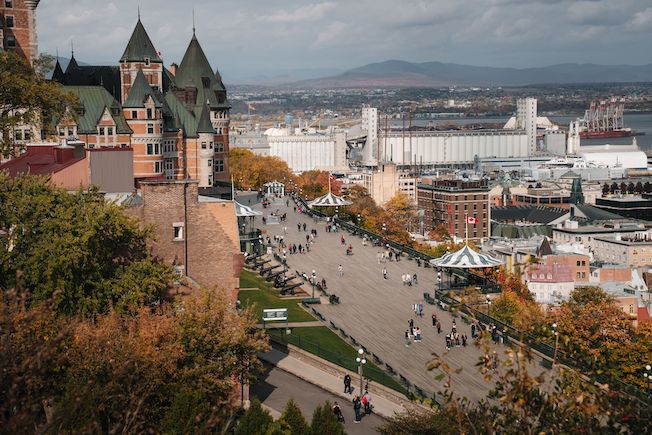
Québec City, Canada
If there is one city in North America that feels unmistakably European, it is Québec City. Perched above the St. Lawrence River, the provincial capital of Québec capt [read more.]
To see more Waypoints in North America, please become a member here.
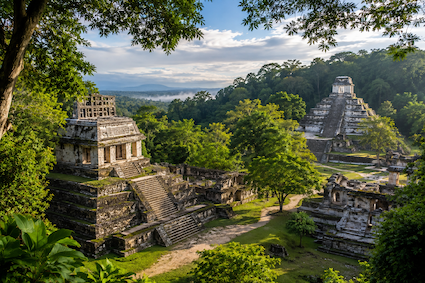
Palenque, Chiapas, Mexico
Palenque is one of Mexico's most fascinating archaeological destinations, not only because of the importance of its monuments but also because of the way the ancient [read more.]
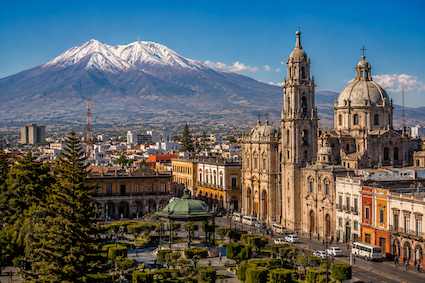
Toluca, México
Toluca is a high-altitude city where Mexico's colonial heritage, Indigenous traditions, contemporary culture, and dramatic volcanic landscapes come together. Located [read more.]
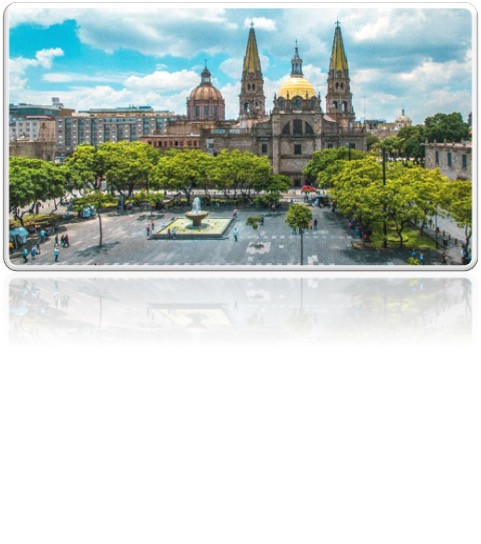
Guadalajara, Mexico
Guadalajara, the capital of the state of Jalisco, is one of Mexico’s most important cities for its history, culture, and economic dynamism. Officially founded on Febr [read more.]
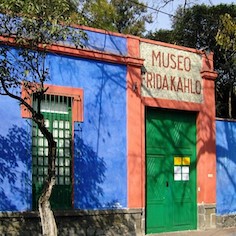
The Frida Kahlo Museum
The Frida Kahlo Museum, known worldwide as the Blue House, is located in the heart of Coyoacán, one of Mexico City’s oldest and most culturally rich neighborhoods. B [read more.]
To see more Waypoints in Central America, please become a member here.
Lima, Perú
Lima is a city where Peru's ancient civilizations, colonial history, Pacific coastline, and contemporary creativity converge. Set along dramatic coastal cliffs overlo [read more.]
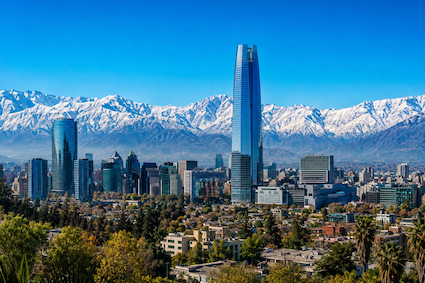
Santiago, Chile
Santiago is a city defined by contrasts: a sophisticated modern capital surrounded by the dramatic peaks of the Andes, a historic center shaped by centuries of Chilean [read more.]
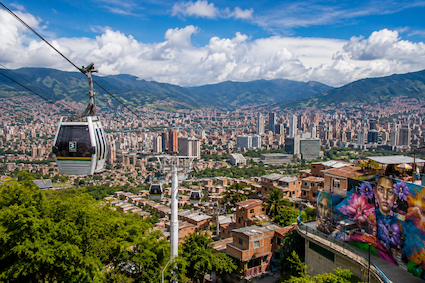
Medellín, Colombia
Medellín is a city shaped by mountains, creativity, resilience, and a remarkably pleasant climate. Set within the Aburrá Valley of Antioquia, Colombia's second-larg [read more.]
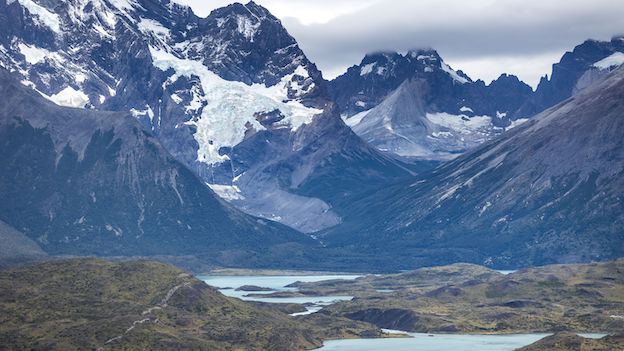
Patagonia, Argentina & Chile
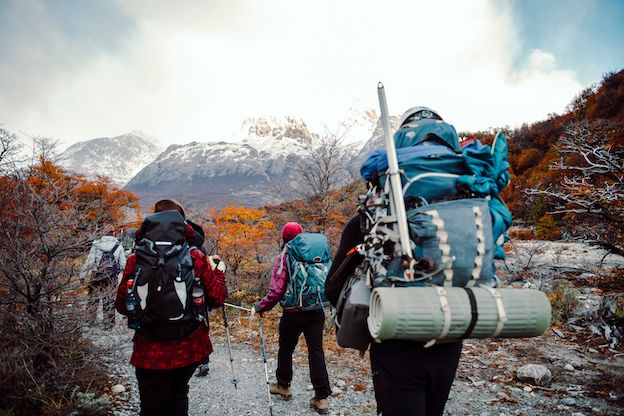
If there is one destination that captures the true spirit of adventure, it is Patagonia. Stretching across southern Argentina and Chile for more than one million square [read more.]
To see more Waypoints in South America, please become a member here.
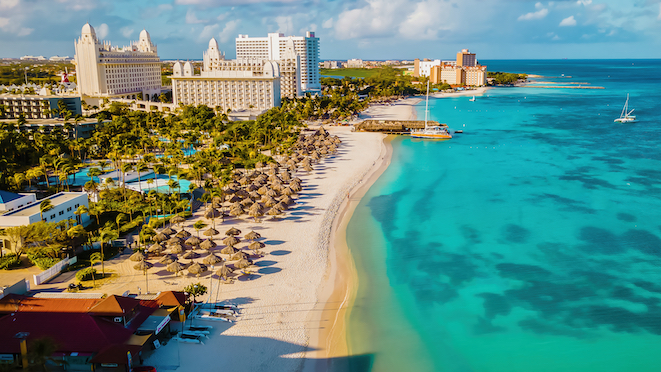
The Bahamas
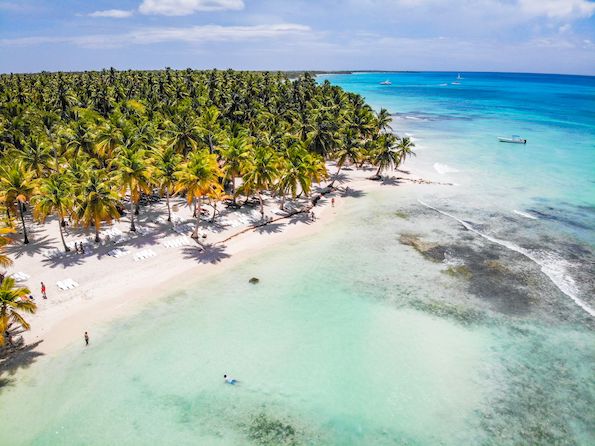
Dominican Republic
Port of Spain, Trinidad and Tobago
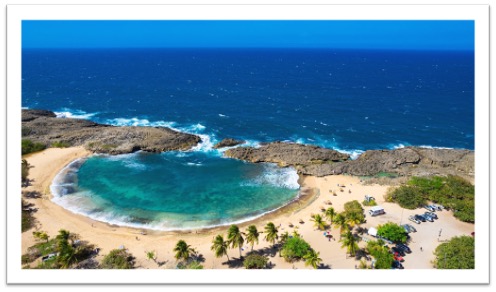
Puerto Rico
To see more Waypoints in The Caribbean, please become a member here.

|
Waypoint Finder (Over 1,000 destinations in PanAmerica) |
|---|

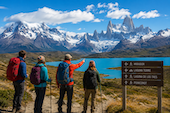

Nature
Tours that connect us with nature.
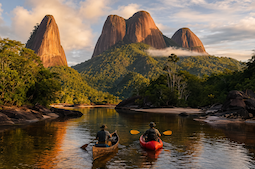
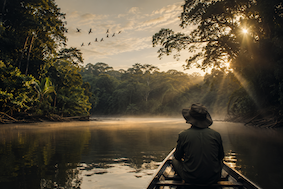
Explore the Tambopata Amazon Reserve
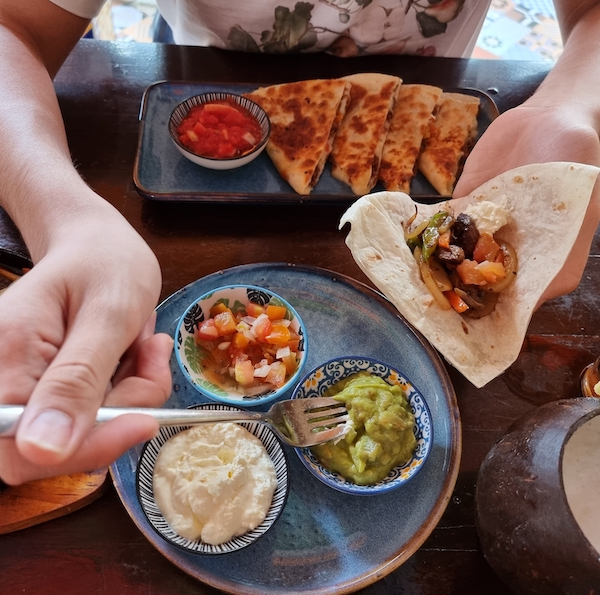
Food & Culture
What's coming up of interest to tourism specialists in Pan America.
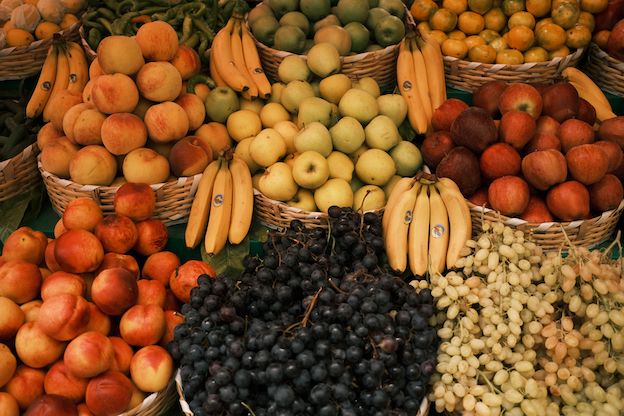
Real City Tours – Exotic Fruits Tour in Medellín, Colombia
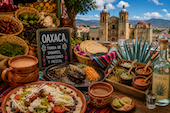
Oaxaca Food & Culture Tour – A Culinary Journey Through Mexico’s Indigenous Flavors
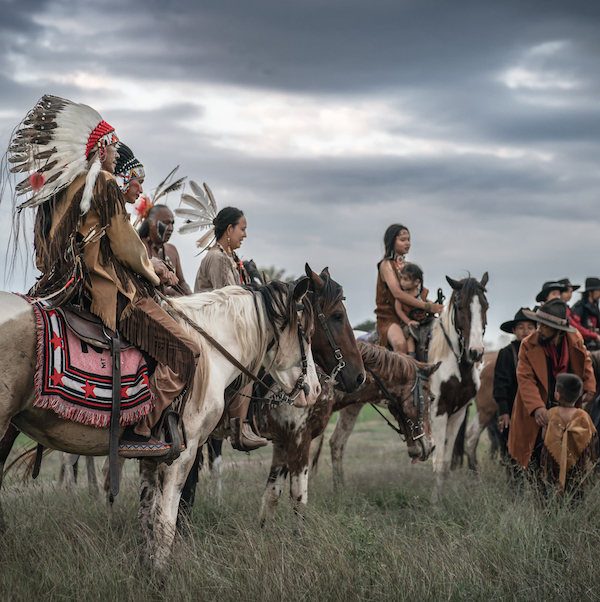
Indigenous Tours
Fashion, romance and wellness for travelers seeking confidence and style.
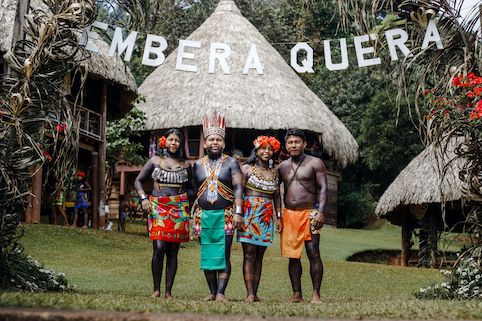
Experience the Emberá of the Darién – On the Only Expedition Operated by An Indigenous Community
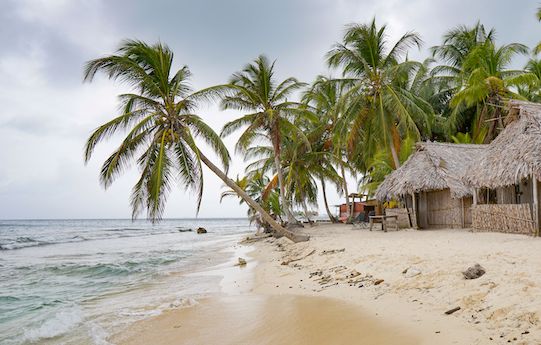
Indigenous Cultural Tour Guna Yala – Discover the Exotic San Blas Islands
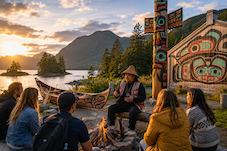
Indigenous Canada Tour – Explore First Nations, Inuit And Métis Cultures
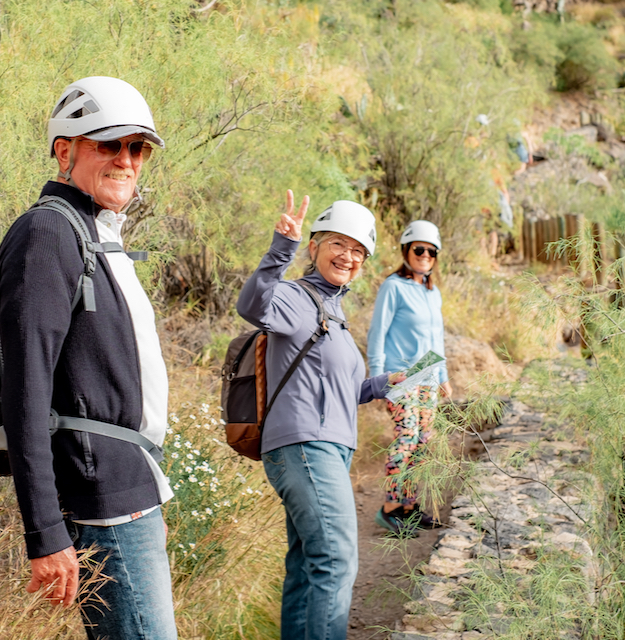
Outdoor Sports
Fashion, romance and wellness for travelers seeking confidence and style.
North Patagonia Ice Field Expedition Tour In Chile