 |
So Many Places To Visit!
|
----------- |


Chile Related Articles: |
CHILE -- BEACH & SUN -----------------186[ARTICLE] | |||
Chiloé Island, ChileBy Heydi Bernal for Ruta Pantera on 8/8/2026 10:16:43 AM |
||||
|
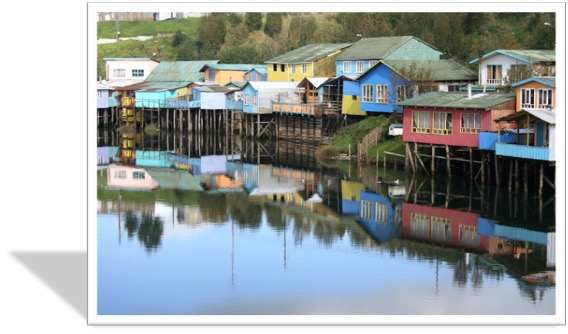
Chiloé is an island world apart from mainland Chile, shaped by the Pacific, persistent rain, forests, fishing communities and a culture in which Indigenous Huilliche traditions, Spanish colonization and Jesuit influence became something distinctly Chilote. The largest island of the Chiloé Archipelago is known for its wooden churches, colorful palafitos, traditional cuisine and mythology populated by figures such as the Caleuche and the sea creatures Caicai Vilu and Trentren Vilu. Sixteen historic churches, built mainly between the 17th and 19th centuries using local wood and construction techniques, form a UNESCO World Heritage Site and are among the clearest expressions of the island's cultural fusion. Where The Island's Character Lives Castro is the natural starting point, with its famous palafitos rising above the water, the distinctive wooden Church of San Francisco and a waterfront that reflects the island's long relationship with the sea. But Chiloé becomes more interesting as you leave the capital. Dalcahue is known for its traditional market, handicrafts and church; Achao has one of the archipelago's oldest wooden churches; and Ancud preserves a different side of Chilote history through its museums, markets and coastal landscape. Small villages and rural roads reveal an island culture that is still closely connected to fishing, farming, woodcraft and community traditions. One of the most remarkable traditions is the minga, a communal effort in which neighbors help move a wooden house from one location to another, sometimes using logs, ropes and even boats. It expresses an older form of cooperation that remains part of Chiloé's cultural identity. Religious celebrations, fiestas costumbristas, music, dance and local craft fairs also bring these traditions into the present rather than leaving them as museum pieces. |
||||

|
Eat Chiloé Food is one of the strongest reasons to travel through the island. The legendary curanto combines seafood, meat, potatoes and other ingredients cooked traditionally in a pit lined with hot stones, although it is also prepared in large pots. It is as much a communal ritual as a dish. Other staples include milcao and chapalele, both based on potatoes, along with seafood, smoked fish, mussels, oysters and local preparations served in markets, family restaurants and rural gatherings. A generous curanto at a casual local establishment can commonly cost around US$10–20, depending on the ingredients, location and whether it is part of a traditional event. Chiloé's potato heritage is particularly important: hundreds of native potato varieties are associated with the island, reflecting centuries of cultivation and Indigenous agricultural knowledge. Modern aquaculture, especially salmon and mussel production, is now a major part of the regional economy, creating an important contrast between ancient food traditions and a contemporary industry connected to global markets. |
|||
 Add this article to your favorites
[FOR SUBCRIBERS ONLY] Copy this link to send this article to a friend: [FOR SURSCRIBERS ONLY] |
||||

|
Forests, Penguins And The Pacific The island is not only a cultural destination. Chiloé National Park protects temperate rainforest and coastal ecosystems, with trails leading through forests dominated by species such as alerce, coigüe and arrayán. The park is particularly rewarding for travelers interested in hiking and birdwatching, although weather can change quickly. On the northwestern coast, Puñihuil is famous for boat excursions to observe Humboldt and Magellanic penguins, which share the same marine area. Wildlife tours should be conducted with operators that maintain appropriate distances and follow local regulations. Other landscapes worth exploring include the wetlands around Chiloé, beaches exposed to the Pacific and the coastal viewpoints scattered across the island. Because distances can look short on a map but involve ferries, winding roads and changing weather, travelers should allow more time than a simple road-distance calculation suggests. |
|||
| Getting There And Moving Around Most visitors reach Chiloé from the Puerto Montt area. The main road crosses the Chacao Channel by vehicle ferry between the mainland and the island; the crossing itself is short, but schedules and waiting times can vary with traffic and weather. Buses from Puerto Montt continue toward Ancud and Castro, while rental cars offer much greater freedom for reaching smaller villages, churches, beaches and rural attractions. Public buses connect the principal towns, although services become less frequent in remote areas. Castro and Ancud have the widest range of accommodation, from hostels and guesthouses to boutique hotels and rural lodgings. Prices vary sharply according to season, location and type of property, but budget travelers can generally find beds or simple rooms from around US$20–40, while comfortable hotels commonly begin around US$60 and can exceed US$150 during the busiest periods. Summer and major holiday weekends should be booked ahead. |
||||
| When To Visit Chiloé has a cool, oceanic climate and rain is part of the island's personality rather than an occasional inconvenience. December through March is the most popular period, with longer days and generally more favorable conditions for road trips, hiking and boat excursions, but it is also the busiest and most expensive season. Spring and autumn can provide a good balance of scenery, fewer visitors and reasonable prices. Winter is much wetter and shorter on daylight, although travelers who enjoy dramatic weather, quiet villages and photography may find it particularly atmospheric. No matter when you go, pack layers, waterproof outerwear and shoes suitable for mud. How Much Time Do You Need? A weekend can cover Castro, nearby palafitos, Dalcahue and several churches, but three to five days is a better introduction to the island. A longer stay allows time for Chiloé National Park, Puñihuil, Ancud, Achao and smaller communities without spending the entire trip on the road. The historic churches are generally free to appreciate from public areas, while some museums, guided excursions, parks and wildlife tours charge separate admission. Prices for excursions vary considerably, so checking directly with local operators is advisable before booking. Travel With Respect Chiloé rewards travelers who slow down. Ask before photographing people or entering religious spaces, buy crafts directly from local makers when possible, and respect wildlife-viewing rules. In rural areas, weather can change rapidly, roads may be narrow and mobile coverage can be limited. Carry some cash for small businesses and rural services, but cards are widely accepted in the main towns. Most importantly, understand that the island's mythology, food, churches and communal traditions are not simply attractions: they are part of a living culture that continues to define Chiloé. |
||||
| --rutapanter.com-- | ||
|
References: UNESCO World Heritage Centre. Churches of Chiloé. Servicio Nacional de Turismo de Chile (SERNATUR). Chiloé. Servicio Nacional de Patrimonio Cultural de Chile. Museo Regional de Ancud. Corporación Nacional Forestal (CONAF). Parque Nacional Chiloé. Gobierno Regional de Los Lagos. Patrimonio y cultura de Chiloé.
| |
|
| Instagram: | Email contact: | Interest area: |

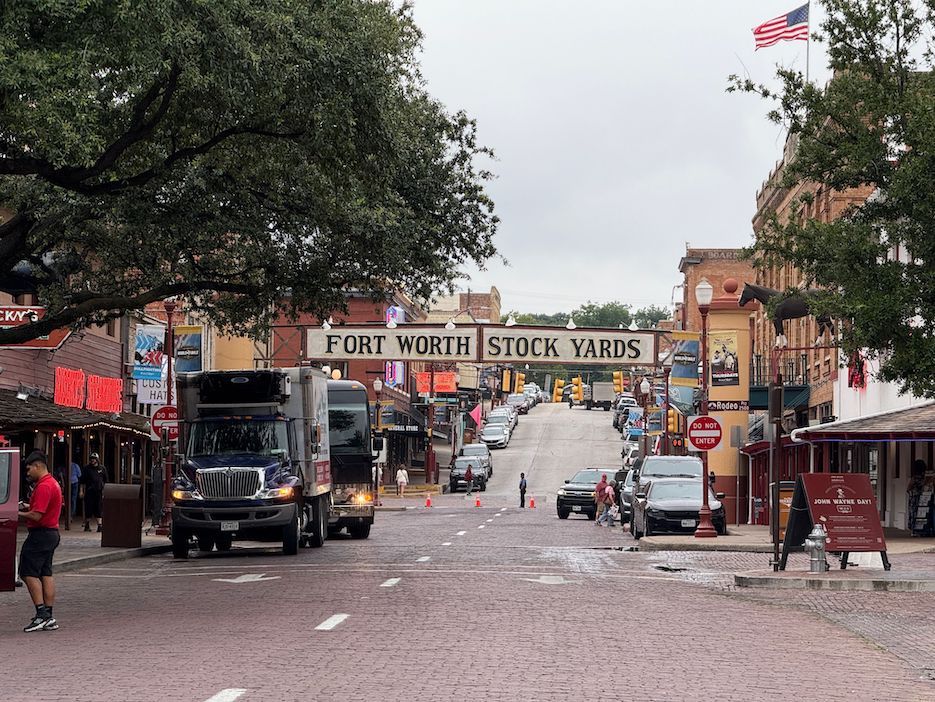
Dallas/Fort Worth, Texas
Dallas/Fort Worth is one of Texas’s major metropolitan areas and an important gateway to the state. Although the two cities are closely connected geographically and e [read more.]
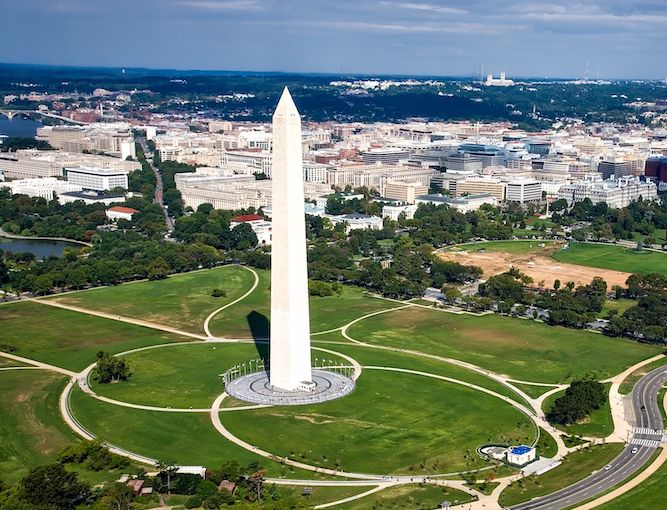
Washington, DC
Washington, DC is the capital of the United States and one of the country’s most distinctive travel destinations. Unlike most major American cities, its identity is s [read more.]
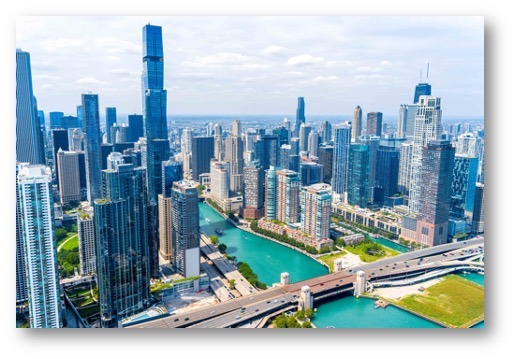
Chicago, Illinois
Chicago is one of the most recognizable cities in the United States, built along the shores of Lake Michigan and known for its architecture, museums, music, food, and e [read more.]
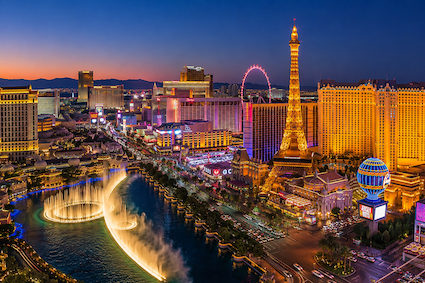
Las Vegas, Nevada, USA
Las Vegas is a city built around spectacle, imagination, and constant reinvention. Rising from the Mojave Desert in southern Nevada, it has transformed from a railroad [read more.]
To see more Waypoints in North America, please become a member here.
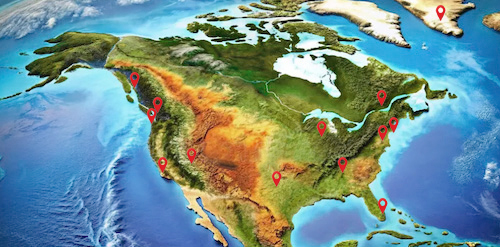
Clickable destinations featuring Reviews & Recommendations.
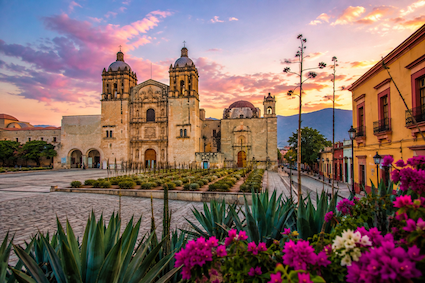
Oaxaca, Mexico
Oaxaca is one of Mexico's most culturally distinctive destinations, where Indigenous traditions, Spanish colonial architecture, contemporary art, and extraordinary ga [read more.]
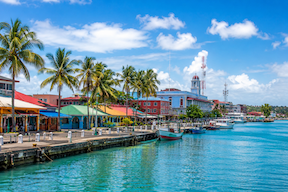
Limón, Costa Rica
Limón is the gateway to Costa Rica's Caribbean coast, a destination where tropical forests, beaches, wildlife, Afro-Caribbean traditions, and the rhythms of the sea [read more.]
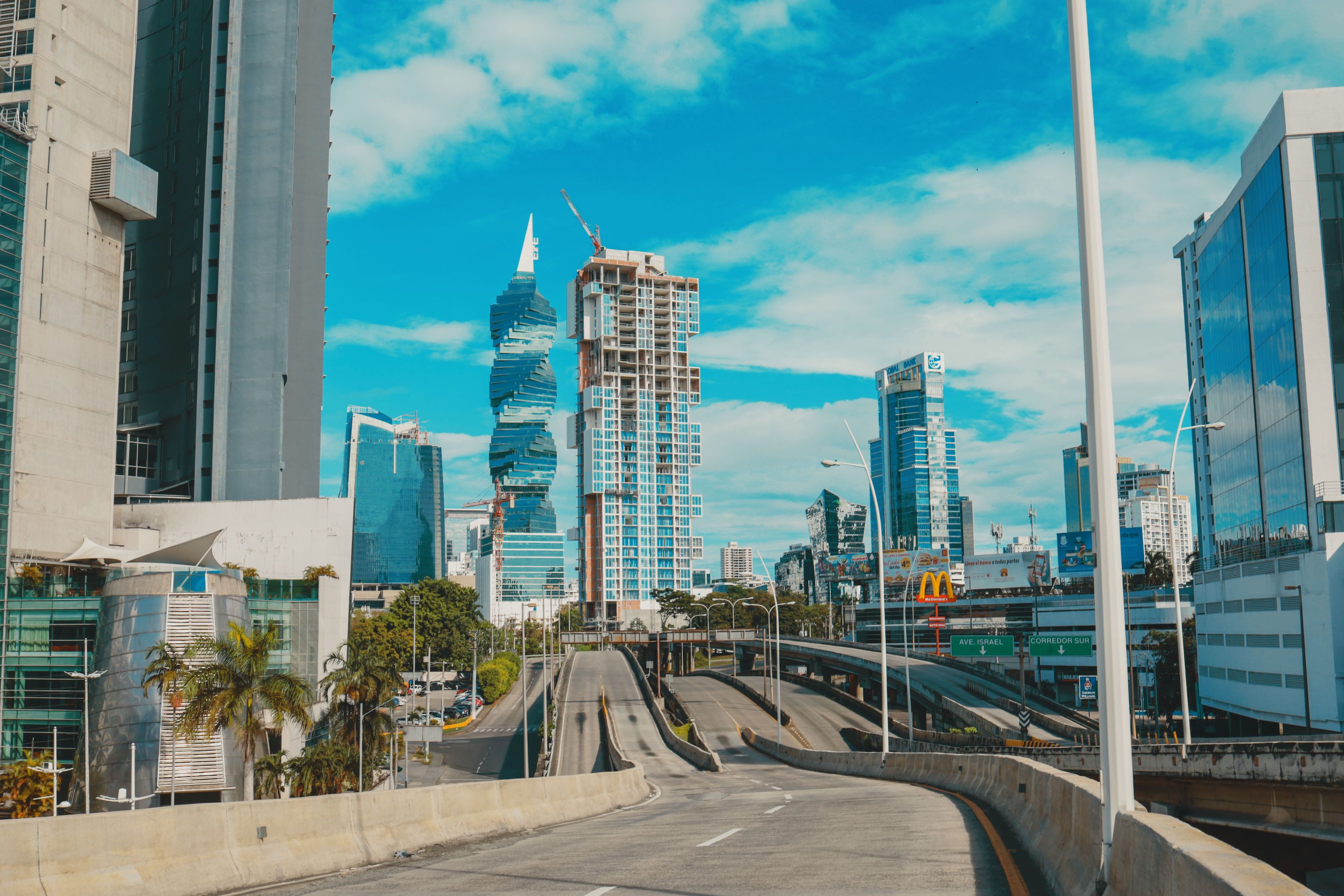
Panama City
Panama City is one of Central America's most dynamic destinations, where colonial history, global commerce, tropical nature, and modern architecture come together in [read more.]
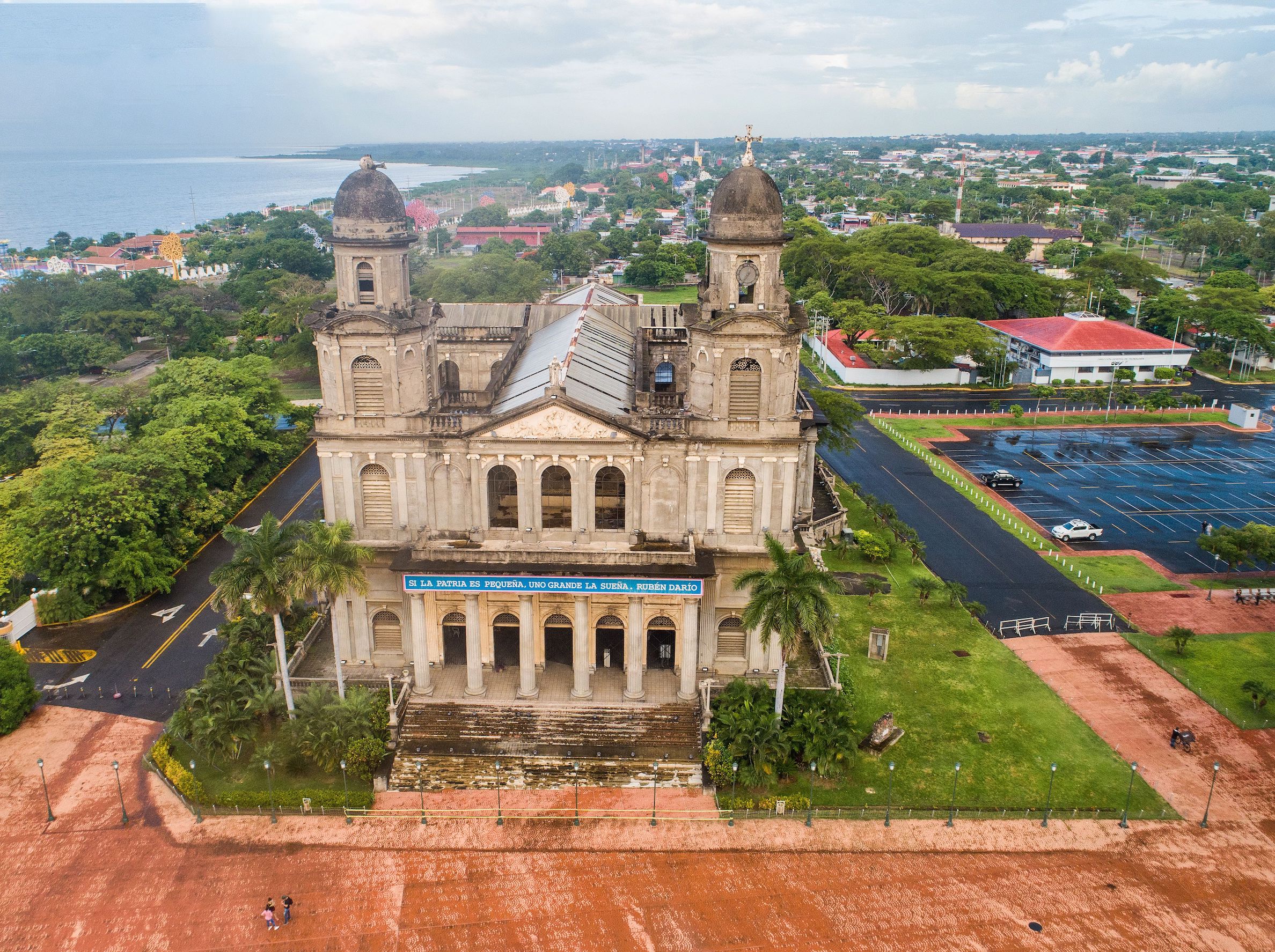
Nicaragua
Nicaragua is a country of volcanoes, lakes, colonial cities, tropical forests, Pacific beaches, and Caribbean islands. Located in the heart of Central America, it offer [read more.]
To see more Waypoints in Central America, please become a member here.
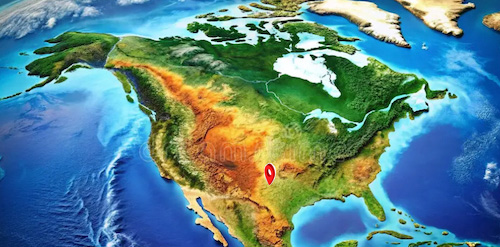
Clickable destinations featuring Reviews & Recommendations.
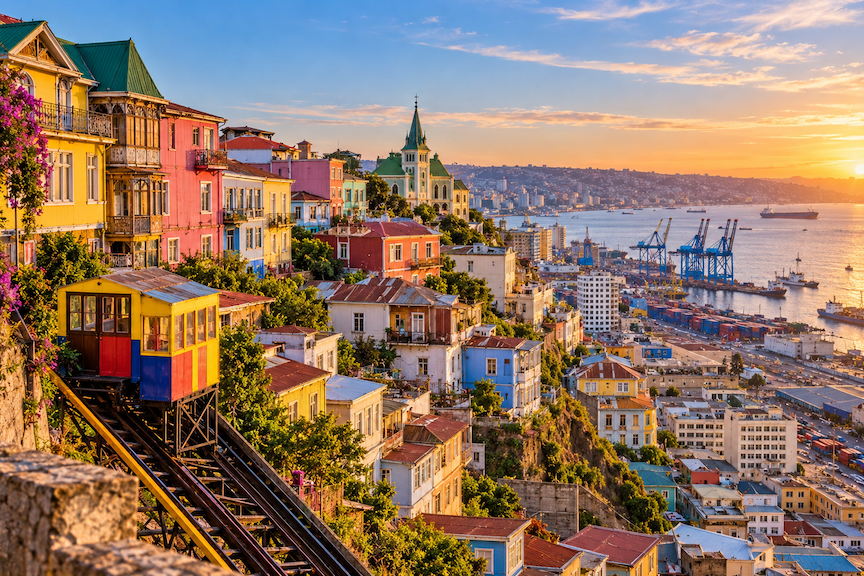
Valparaíso — Chile’s
Valparaíso, located on Chile’s central coast about 75 miles (120 kilometers) northwest of Santiago, is known for its colorful hillside houses, steep stairways, histo [read more.]
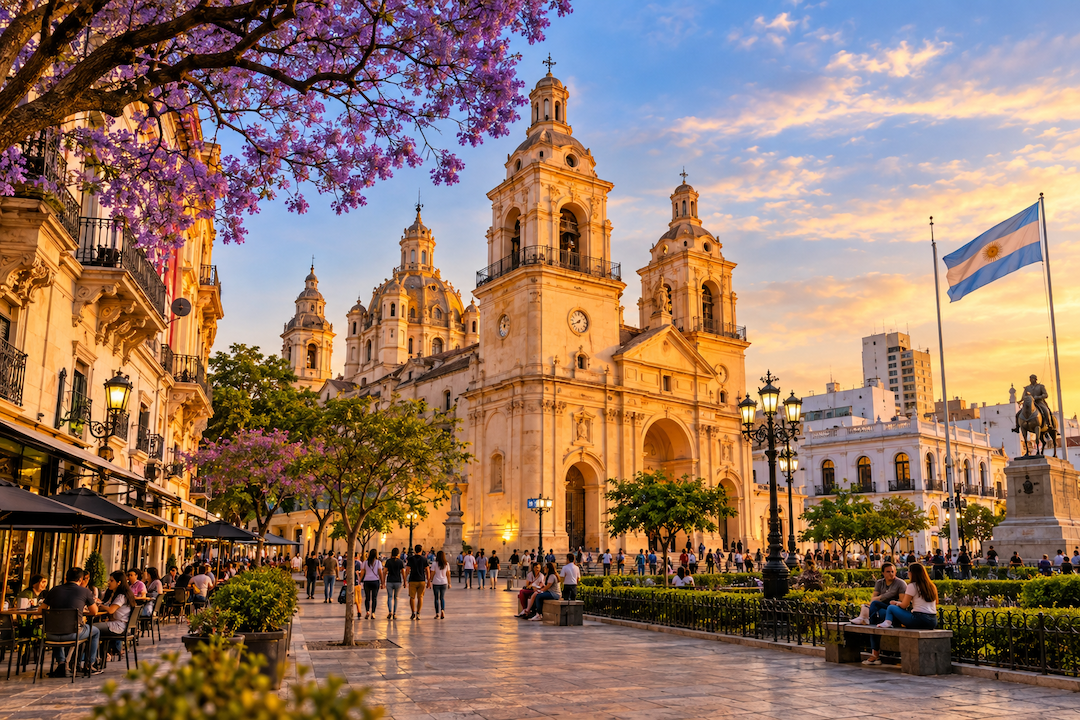
Córdoba — Argentina’s
Córdoba is a city where Argentina’s colonial past meets the energy of a young, creative population. Located in the geographical heart of the country, this provincial [read more.]
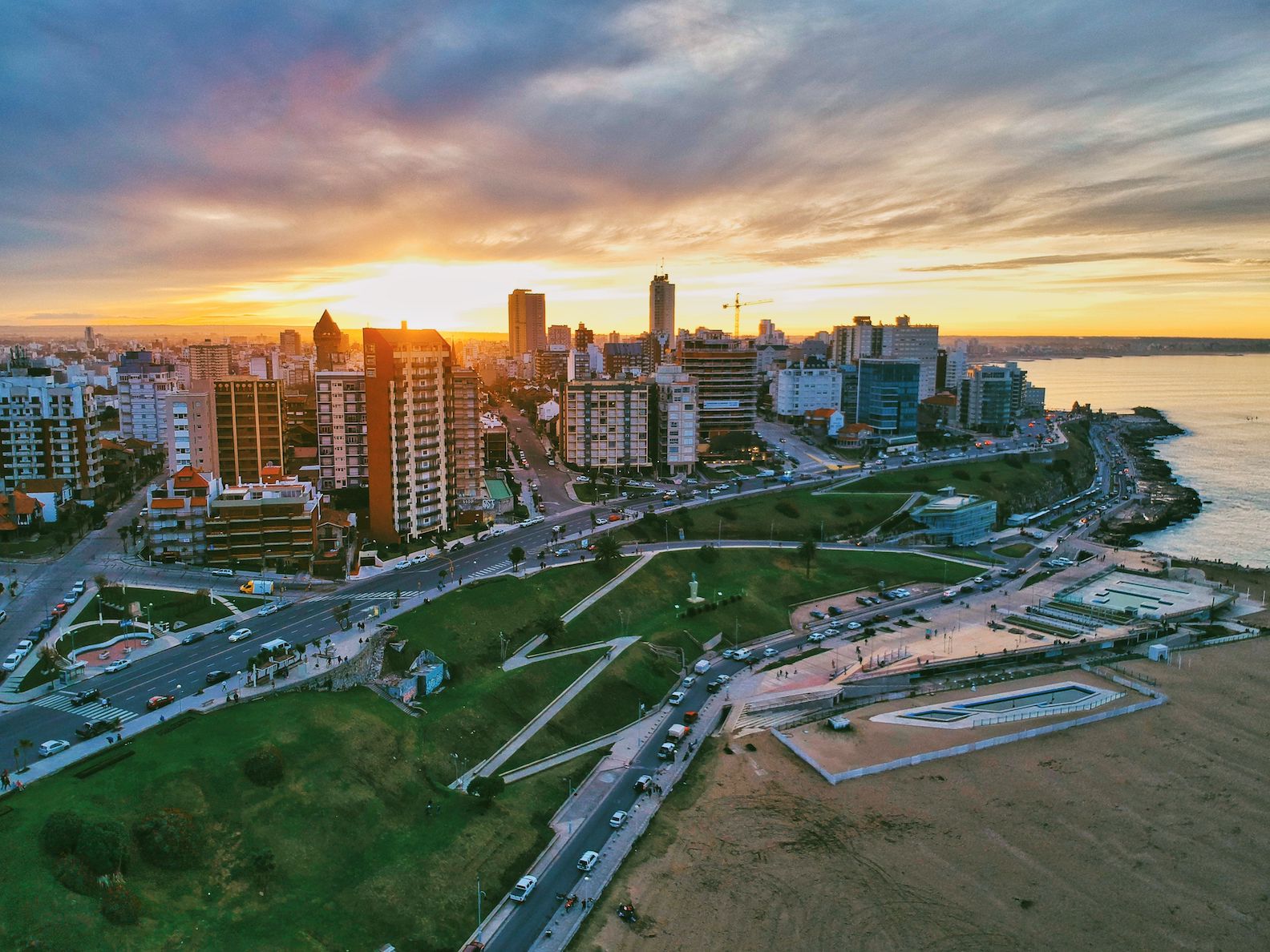
Montevideo, Uruguay
Montevideo is a city that rewards travelers who slow down. Uruguay’s capital stretches along the Río de la Plata, combining historic architecture, long waterfront pr [read more.]
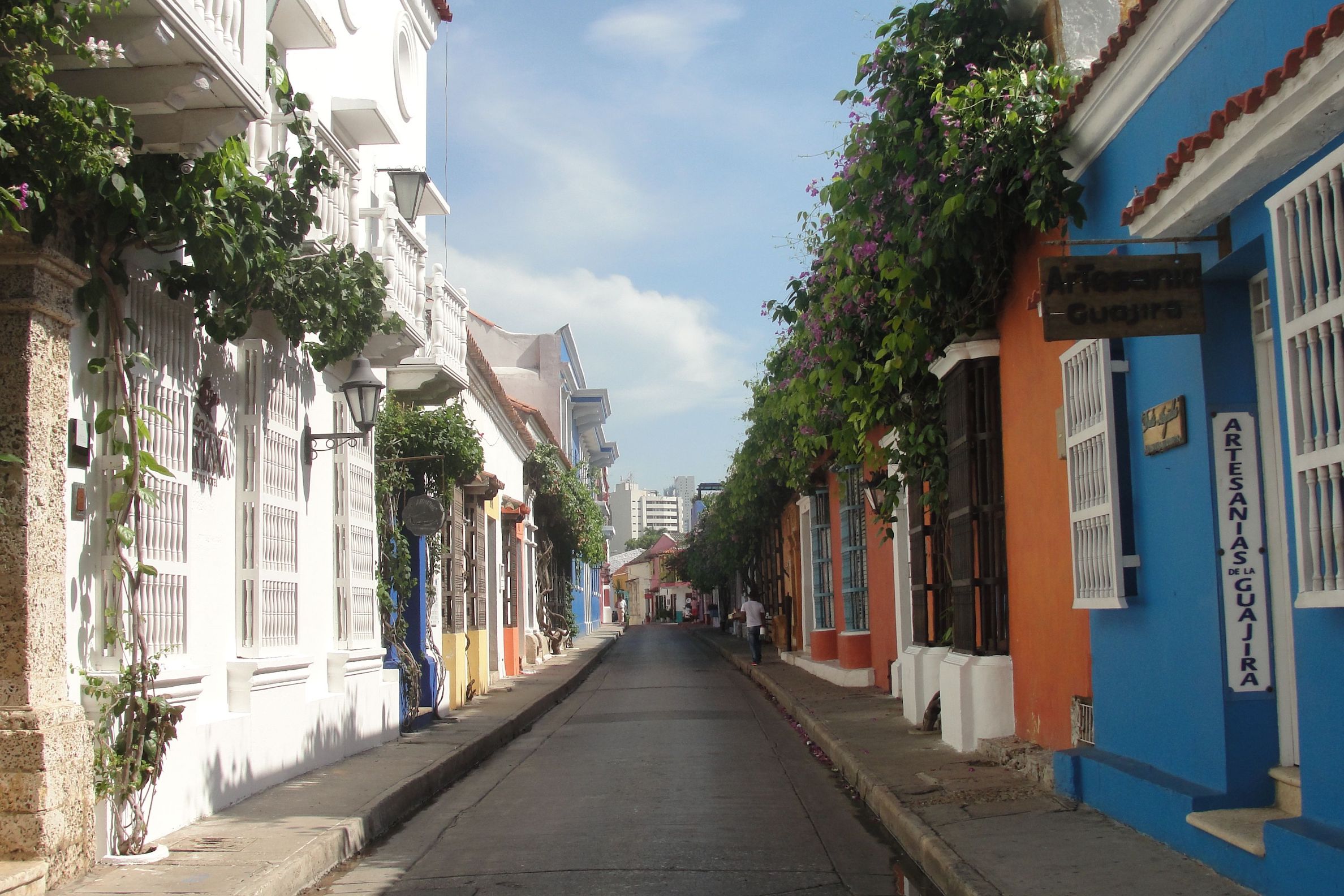
Cartagena, Colombia
Cartagena de Indias is a Caribbean city where centuries of history remain part of everyday life. Stone walls surround a UNESCO-listed historic center, colorful streets [read more.]
To see more Waypoints in South America, please become a member here.
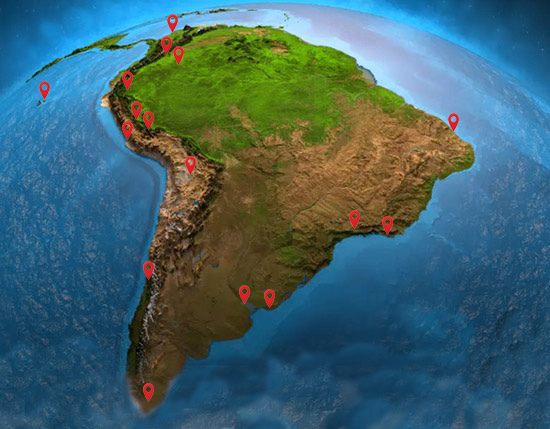
Clickable destinations featuring Reviews & Recommendations.
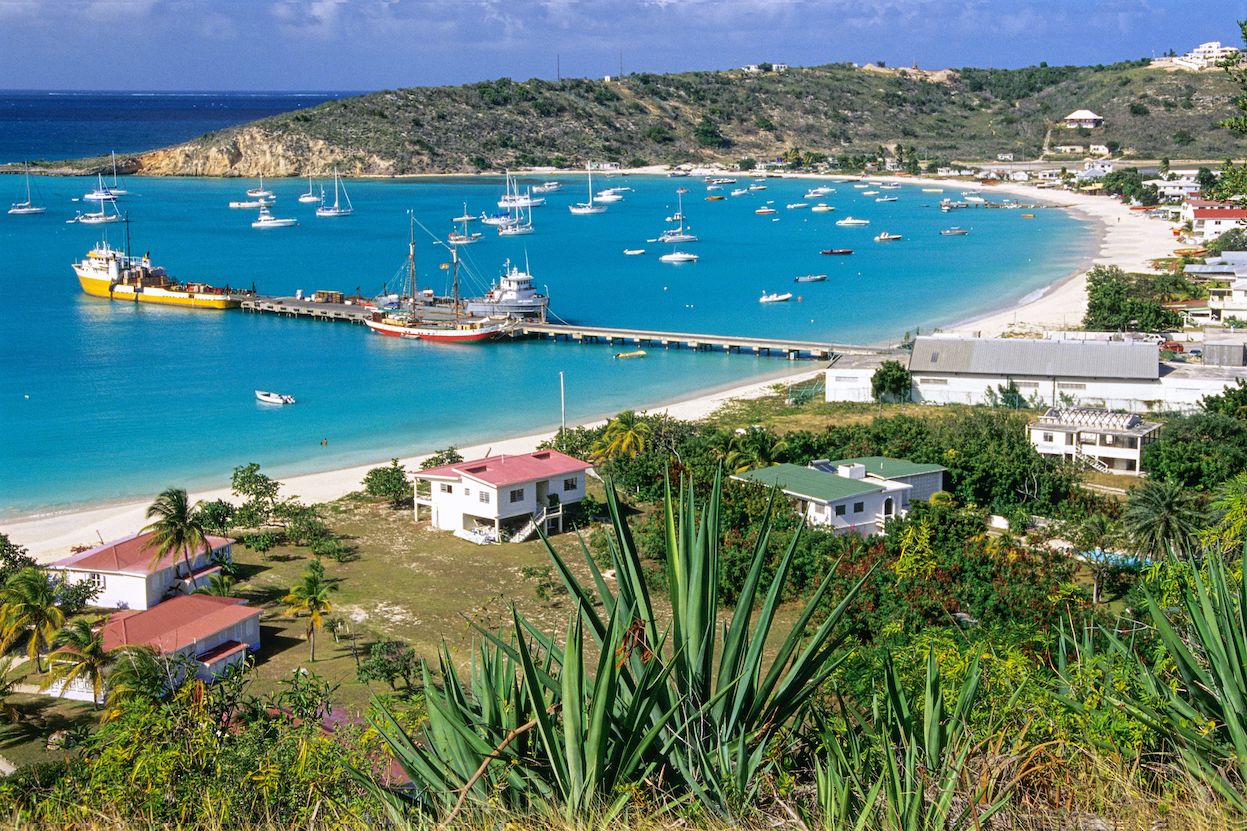
Anguilla
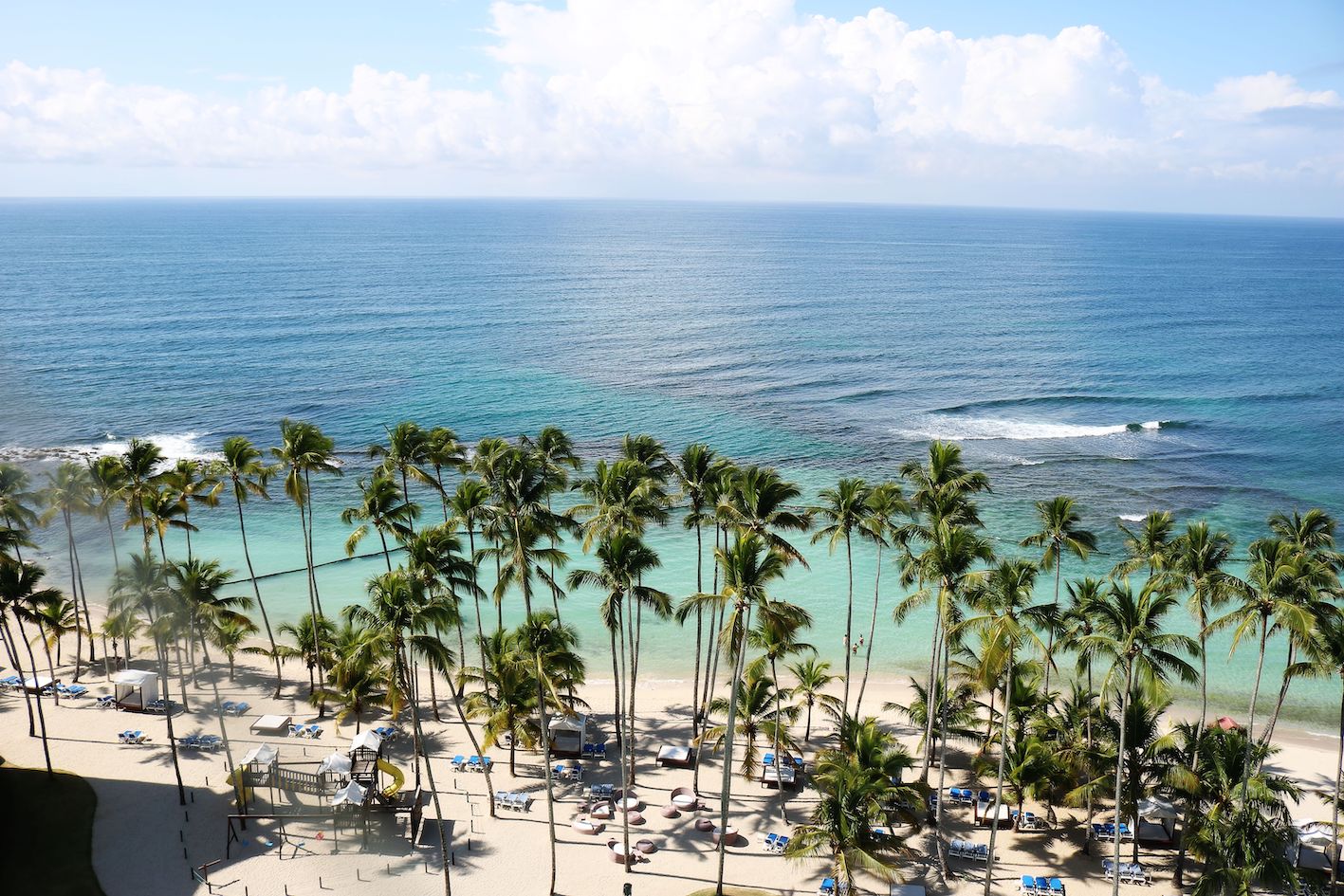
Jamaica
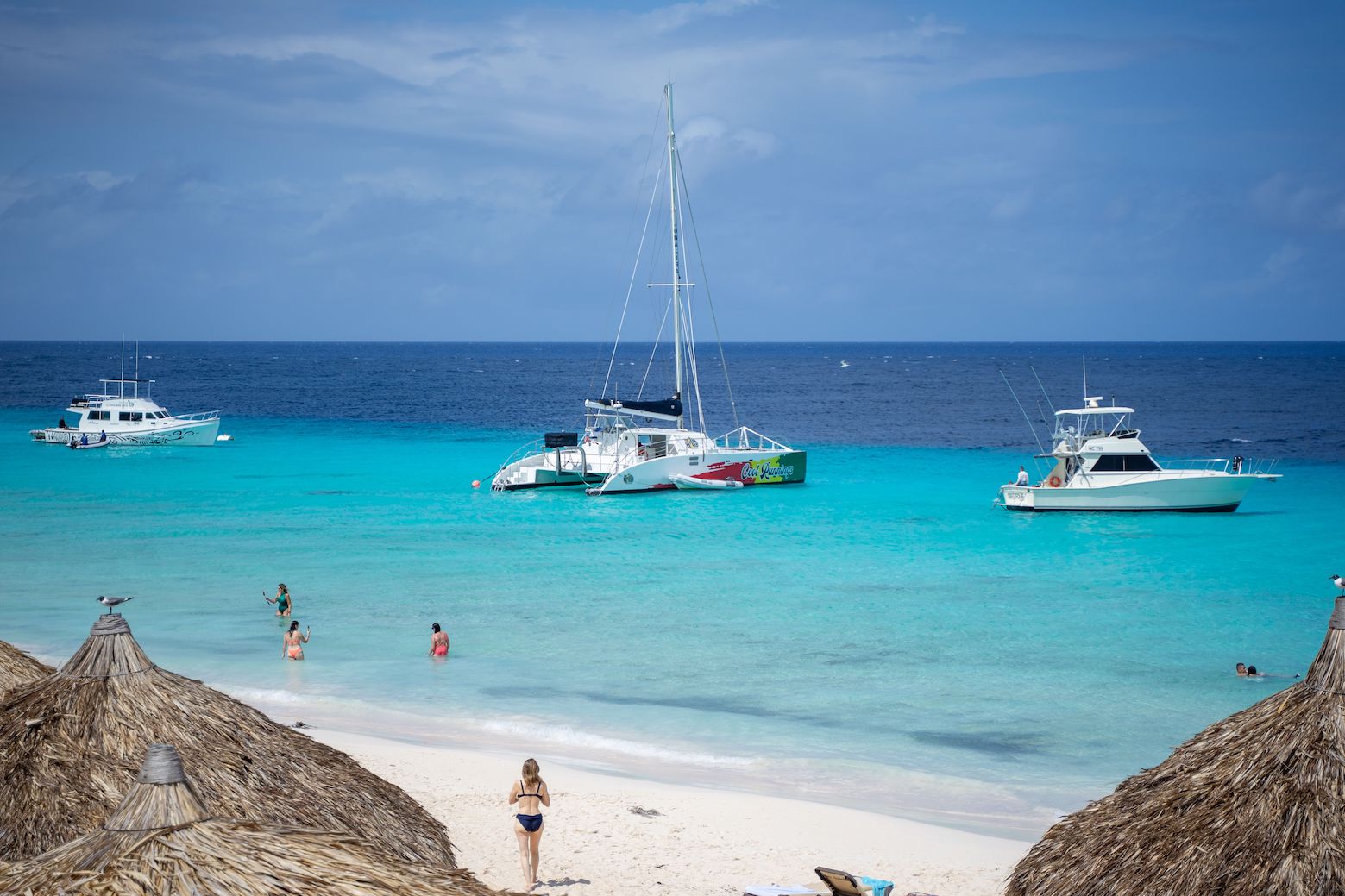
Aruba
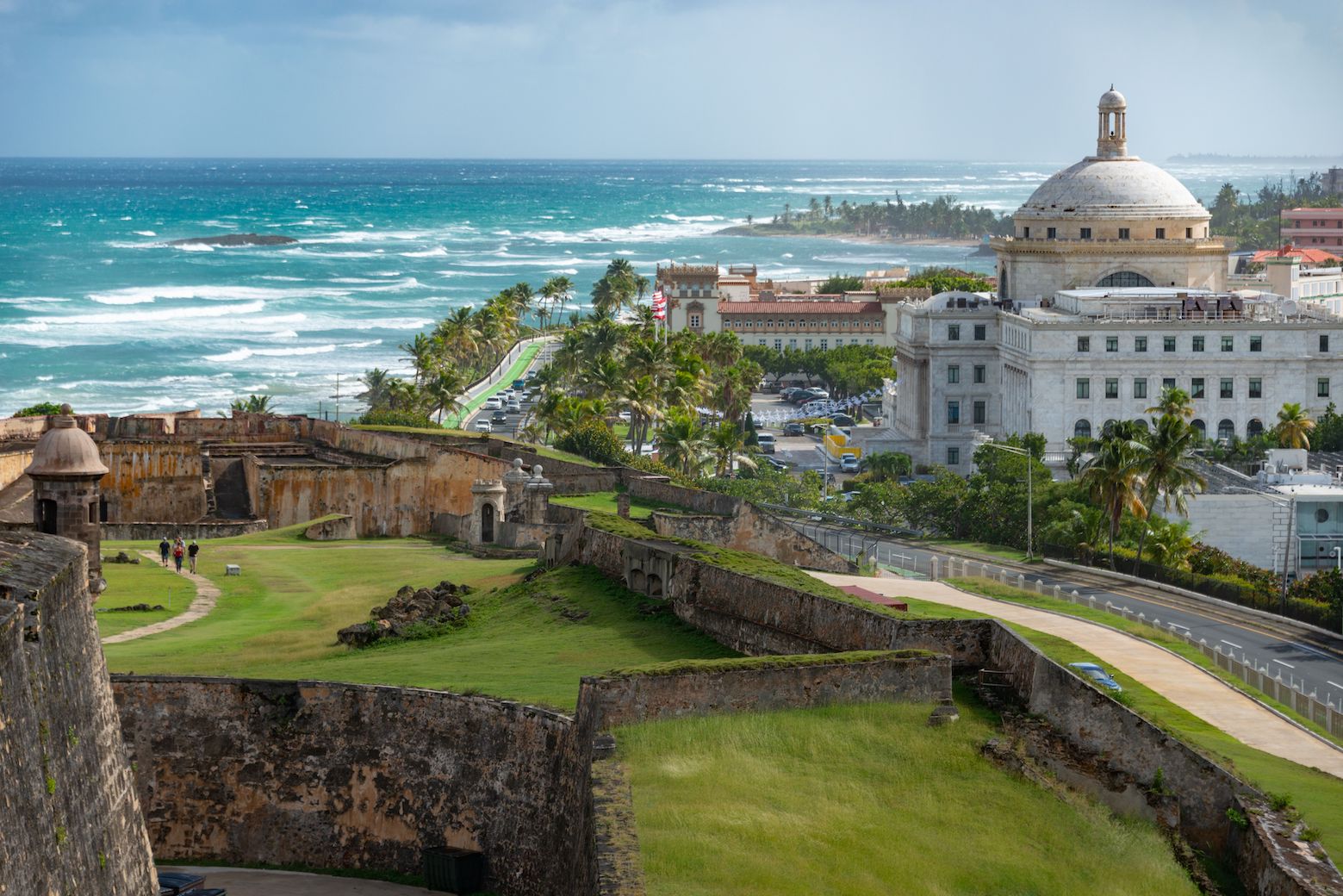
Puerto Rico
To see more Waypoints in The Caribbean, please become a member here.
|
Waypoint Finder (Over 1,000 destinations in PanAmerica) |
|---|

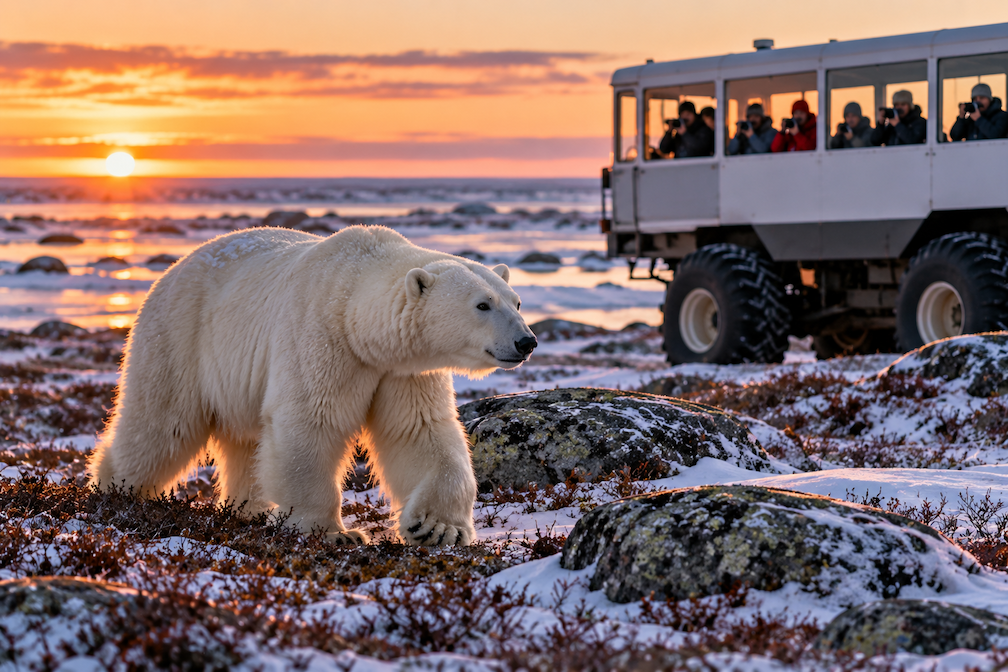
Into the Arctic: A Polar Adventure in Churchill
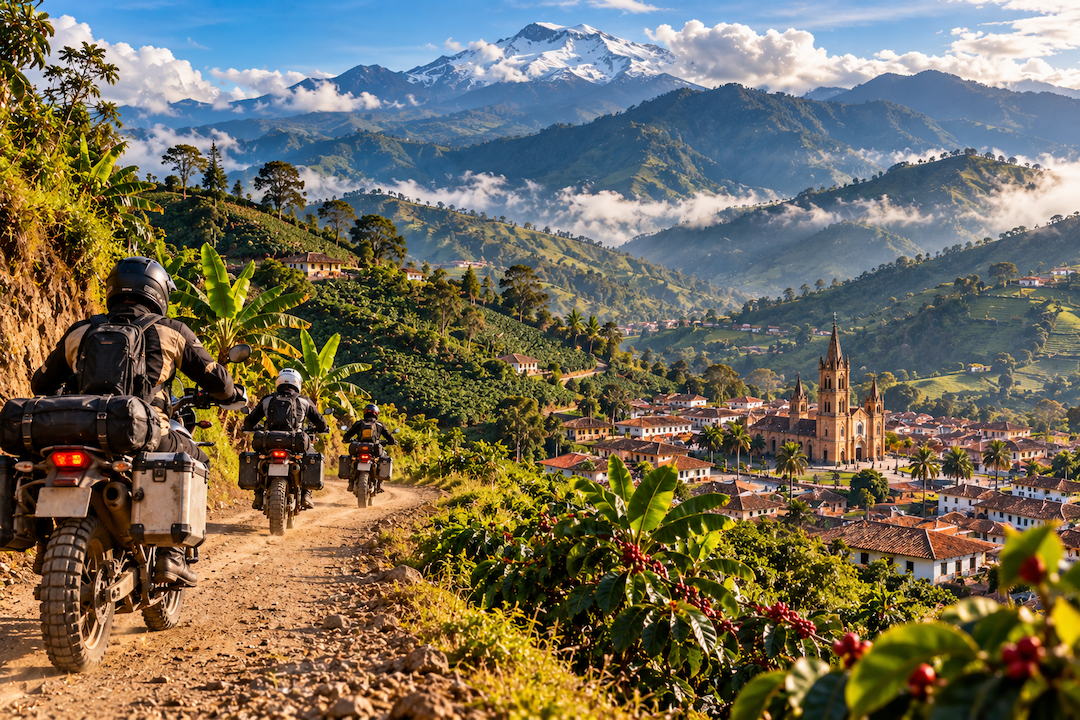
Ride The Andes: A Motorcycle Adventure Through Colombia
Nature
Tours that connect us with nature.
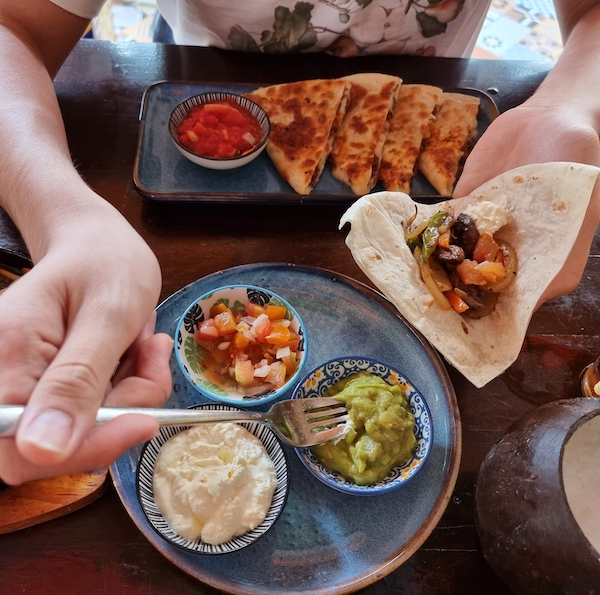
Food & Culture
What's coming up of interest to tourism specialists in Pan America.
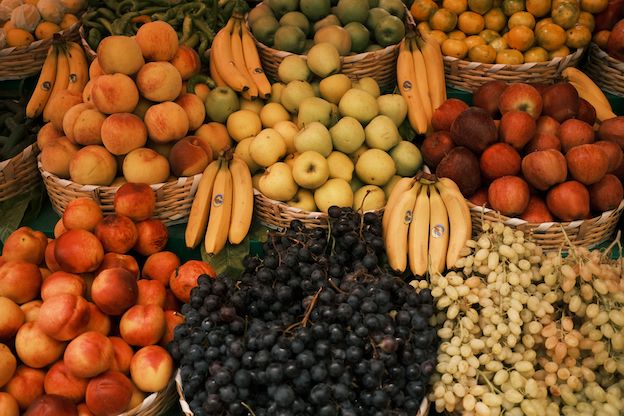
Real City Tours – Exotic Fruits Tour in Medellín, Colombia
Oaxaca Food & Culture Tour – A Culinary Journey Through Mexico’s Indigenous Flavors
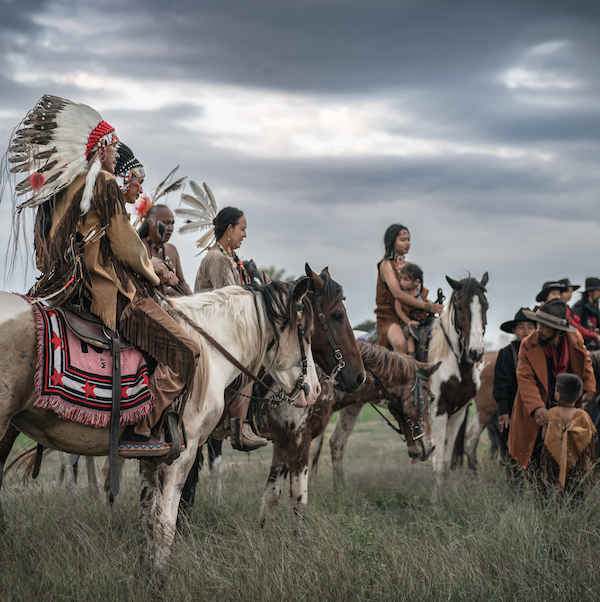
Indigenous Tours
Fashion, romance and wellness for travelers seeking confidence and style.
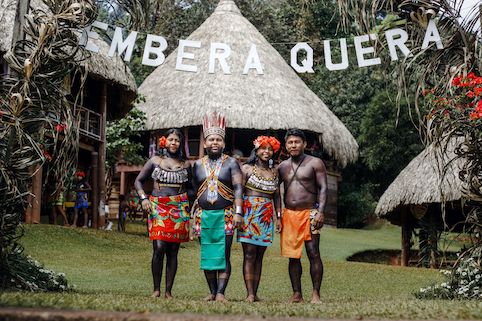
Experience the Emberá of the Darién – On the Only Expedition Operated by An Indigenous Community
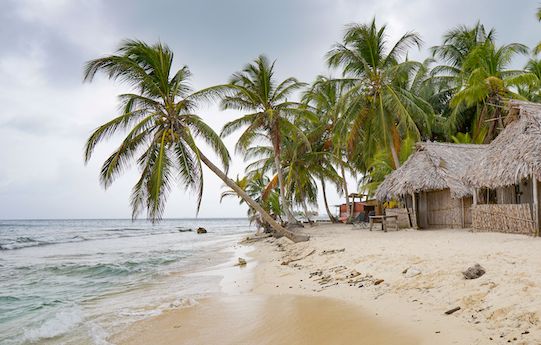
Indigenous Cultural Tour Guna Yala – Discover the Exotic San Blas Islands
Indigenous Canada Tour – Explore First Nations, Inuit And Métis Cultures
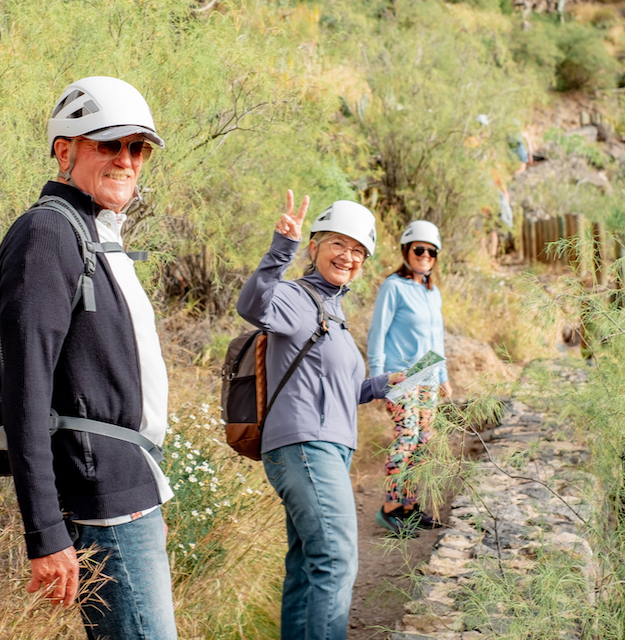
Outdoor Sports
Fashion, romance and wellness for travelers seeking confidence and style.
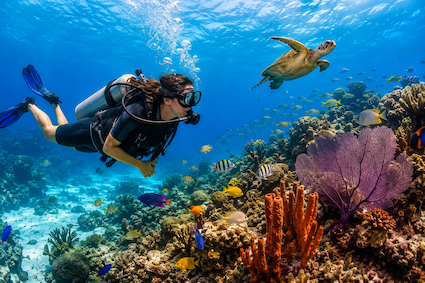
Scuba Diving Tours Through the Caribbean's Spectacular Coral Reefs
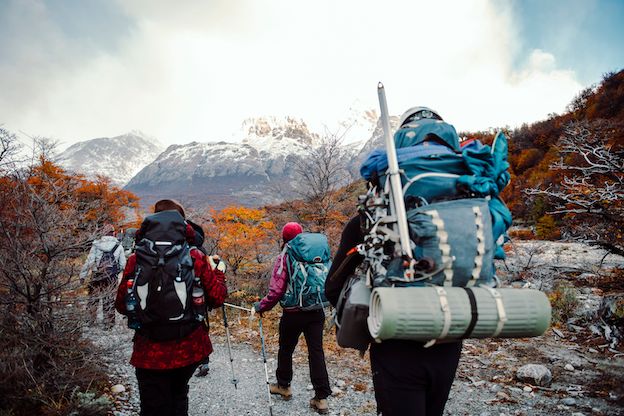
North Patagonia Ice Field Expedition Tour In Chile