 |
So Many Places To Visit!
|
----------- |


Nicaragua Related Articles: |
NICARAGUA -- CULTURAL SITE -----------------471[ARTICLE] | |||
Granada, NicaraguaBy Estefanía Muriel for Ruta Pantera on 9/9/2026 5:22:34 AM |
||||
|
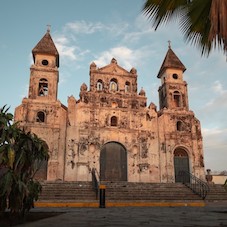
Granada, known as the “Great Sultana,” is one of Nicaragua's oldest and most distinctive colonial cities. Founded in 1524 by Spanish conquistador Francisco Hernández de Córdoba, it developed on the shores of Lake Nicaragua, where colonial architecture, volcanic landscapes, and centuries-old religious traditions still shape daily life. Its streets have survived fires, pirate attacks, political conflicts, and earthquakes, yet the city repeatedly rebuilt itself without losing its characteristic scale and colorful architecture. The historic center is particularly known for its concentration of churches. The Cathedral of Our Lady of the Assumption dominates the Central Plaza with its neoclassical façade, twin towers, colorful domes, and portico. The present cathedral evolved from earlier parish churches built on the same site, reflecting the long religious history of the city. The Church of La Merced is another essential landmark, with a history stretching back to the colonial period and a bell tower offering one of Granada's best views over the rooftops and surrounding landscape. (Visit Nicaragua) |
||||

|
What Makes Granada Unique Granada's character comes from the way architecture, religion, and everyday life overlap. The Cathedral faces the city's main plaza, while La Merced, San Francisco, Guadalupe, Xalteva, and other historic churches form a network of landmarks that can be explored almost entirely on foot. The result is a city where religious buildings are not isolated monuments but active parts of neighborhoods, celebrations, processions, and community life. (Visit Nicaragua) The city also has a remarkable relationship with Lake Nicaragua, or Lake Cocibolca. Just outside the colonial center lies the archipelago known as the Isletas de Granada, a collection of approximately 365 small volcanic islands. The islets are believed to have been formed by an eruption or landslide associated with Mombacho Volcano and today support forests, birdlife, fishing communities, private homes, small lodges, and restaurants. (Visit Nicaragua) That combination makes Granada unusual: within a relatively small area, travelers can move from colonial churches and cobblestone streets to freshwater islands, volcanoes, crater lakes, and tropical forests. |
|||
 Add this article to your favorites
[FOR SUBCRIBERS ONLY] Copy this link to send this article to a friend: [FOR SURSCRIBERS ONLY] |
||||

|
Highlights You Can't Miss Walking the Calzada and the streets surrounding Parque Colón is the simplest way to begin understanding Granada. The colonial façades are painted in intense colors, horse-drawn carriages move through the historic center, and cafés and restaurants occupy buildings that once served as private residences or commercial houses. The Cathedral of Our Lady of the Assumption is the visual center of the city. Its position facing the main plaza makes it particularly impressive in the late afternoon, when the changing light emphasizes the colors of the façade and domes. The Church of La Merced offers a different perspective: climbing its bell tower provides a panoramic view across the colonial rooftops toward Lake Nicaragua and the volcanoes beyond. (Visit Nicaragua) Food is another part of Granada's identity. Local specialties include vigorón, a combination of yucca, pork rinds, and cabbage salad; gallo pinto; nacatamales; and other Nicaraguan dishes based on corn, beans, pork, and tropical produce. Rather than searching only for formal restaurants, travelers should also explore local markets and smaller establishments where traditional food remains part of everyday life. Religious Traditions And Festivals Granada's religious calendar is one of its strongest cultural attractions. The city's patron-saint festivities honor the Virgin of the Assumption between August 5 and 28, a tradition that dates back to 1751 and includes processions and other community celebrations. (Visit Nicaragua) December brings another important expression of Nicaraguan popular religion through celebrations dedicated to the Immaculate Conception. Known nationally as La Gritería, the tradition fills streets and homes with altars, songs, prayers, and the distribution of small gifts and traditional foods. Granada was among the cities that adopted and helped spread the tradition after it began in León in the 19th century. (Visit Nicaragua) These celebrations are important because they reveal a side of Granada that cannot be captured by architecture alone. The city's religious heritage remains a living practice, expressed through music, food, processions, family gatherings, and neighborhood traditions. |
|||
| Options For Further Discovery A boat excursion through the Isletas de Granada is one of the easiest ways to leave the colonial streets behind and experience Lake Nicaragua. Boats depart from several points around Granada, including Puerto Asese and the city's tourist docks. The route passes islands covered in vegetation, private residences, small restaurants, and places where local families continue to fish and provide services to visitors. (Visit Nicaragua) Mombacho Volcano provides a completely different landscape. Located approximately 10 kilometers south of Granada, the volcano rises to 1,344 meters and protects a cloud forest characterized by cooler temperatures, mist, steep trails, and panoramic viewpoints. A 4x4 vehicle or the official transport service is required to reach the upper areas because of the steep road. (Visit Nicaragua) Apoyo Lagoon is another natural escape close to Granada. The crater lake is surrounded by forest and is known for its warm, clear water, kayaking, swimming, and views toward the surrounding volcanic landscape. Several properties around the lagoon offer day access and water-based activities. (Visit Nicaragua) Masaya Volcano can also be visited as a day or evening excursion from Granada. The volcano is approximately an hour away and offers a very different experience from Mombacho, with volcanic landscapes and opportunities to observe the active crater area. (Visit Nicaragua) For a cultural stop inside the city, Casa de los Tres Mundos and the city's museums and historic buildings provide additional insight into Nicaragua's artistic traditions and colonial past. Another unusual option is Café de las Sonrisas, a social enterprise near La Merced whose staff are deaf and communicate with customers through sign language and a visual menu. The café has become an example of how tourism can also create alternative employment and community experiences. (Visit Nicaragua) |
||||
| The Best Way To Access The Place Granada is approximately 45 kilometers southeast of Managua and is easily reached by road from the capital and Augusto C. Sandino International Airport. The trip generally takes around one hour by car, depending on traffic. Private transfers, taxis, buses, and shared transportation are available. Once in Granada, walking is the best way to experience the historic center. The main attractions are relatively close together, while taxis and tuk-tuks are useful for reaching neighborhoods and attractions outside the central area. Boat transportation is necessary for exploring the Isletas. Accommodation ranges from budget hostels and guesthouses to restored colonial homes and boutique hotels. Prices vary considerably according to season, festivals, weekends, and the type of property, so current rates should be checked before booking. The dry season, generally from November through April, offers the most predictable conditions for walking tours, boat trips, and volcano excursions. The rainy season from May through October transforms the surrounding vegetation into a deeper green, although heavy rain can affect some outdoor activities and road conditions. Practical And Safety Tips Comfortable shoes are essential. Granada's historic streets are attractive but uneven, and exploring the city usually means several hours of walking. Bring water, sun protection, and light clothing, while carrying a rain jacket during the wetter months. Carry some Nicaraguan córdobas for markets, small restaurants, local transportation, and purchases from street vendors. Many hotels and established restaurants accept cards, but smaller businesses may operate primarily with cash. When taking taxis or tuk-tuks, confirm the fare before beginning the journey. At night, remain in well-lit and active areas and use transportation recommended by your accommodation when traveling farther from the historic center. For volcanoes, lagoons, and boat excursions, conditions can change quickly. Check current operating information before leaving Granada and follow local guides' instructions, particularly around volcanic areas and on Lake Nicaragua. Granada's greatest attraction is not any single church, plaza, volcano, or lake. It is the way all of them connect. Colonial architecture opens onto streets filled with everyday life; religious traditions continue in the same neighborhoods where they have been celebrated for generations; and just beyond the city, volcanoes and islands create a completely different landscape. Granada is therefore best experienced slowly—on foot, from a boat, from a church tower, and through the food and traditions that keep the city alive. |
||||
| --rutapanter.com-- | ||
|
References: Visit Nicaragua. (n.d.). Colonial Cities — Granada. Visit Nicaragua. (n.d.). Church of La Merced — Granada, Nicaragua. Visit Nicaragua. (n.d.). Isletas de Granada, a Natural Wonder of Volcanic Origin. Visit Nicaragua. (n.d.). Granada's Patron Saint Festivities. Visit Nicaragua. (n.d.). Days of Marian Devotion in Nicaragua. Visit Nicaragua. (n.d.). A Day in Mombacho. Visit Nicaragua. (n.d.). Apoyo Lagoon. Visit Nicaragua. (n.d.). Coffee and Smiles in Granada.
| |
|
| Instagram: | Email contact: | Interest area: |

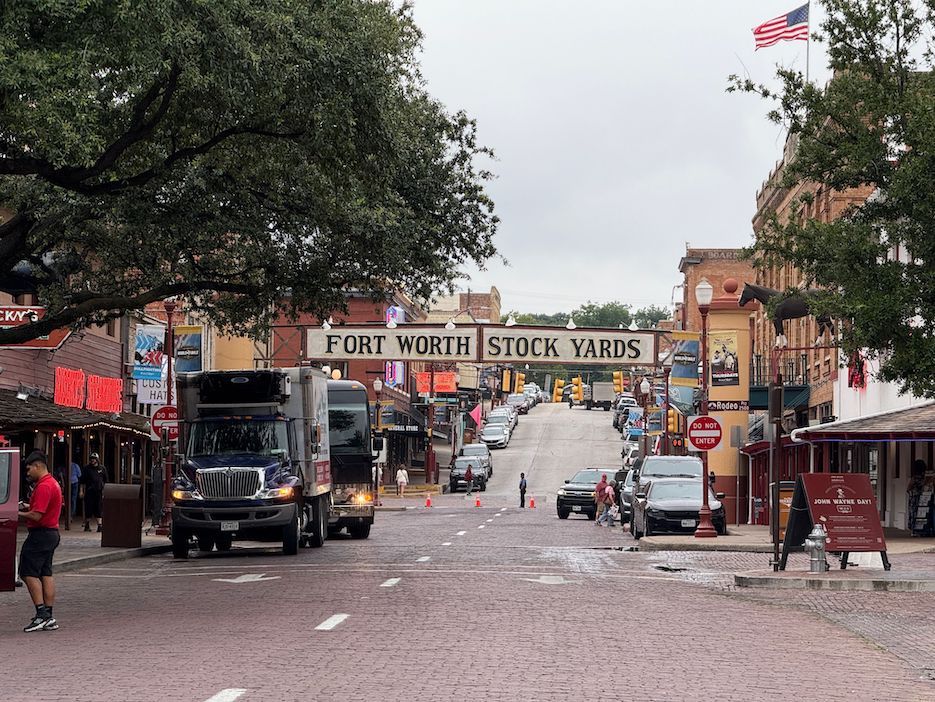
Dallas/Fort Worth, Texas
Dallas/Fort Worth is one of Texas’s major metropolitan areas and an important gateway to the state. Although the two cities are closely connected geographically and e [read more.]
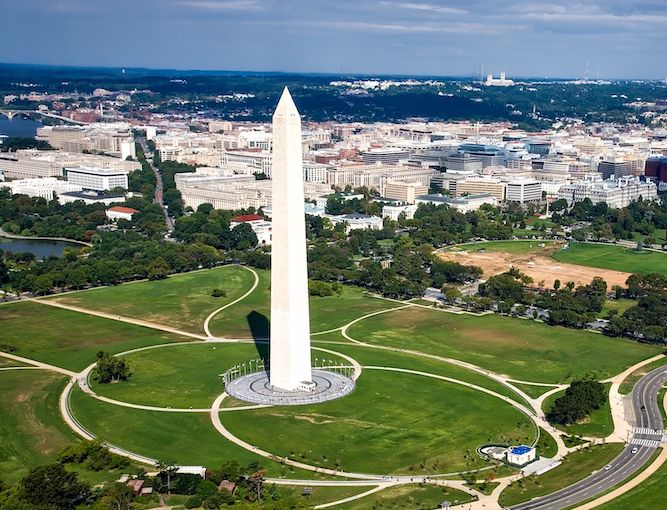
Washington, DC
Washington, DC is the capital of the United States and one of the country’s most distinctive travel destinations. Unlike most major American cities, its identity is s [read more.]
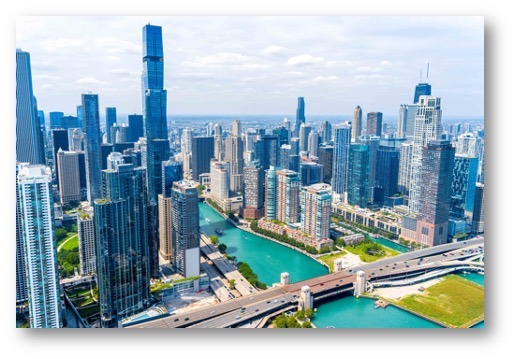
Chicago, Illinois
Chicago is one of the most recognizable cities in the United States, built along the shores of Lake Michigan and known for its architecture, museums, music, food, and e [read more.]
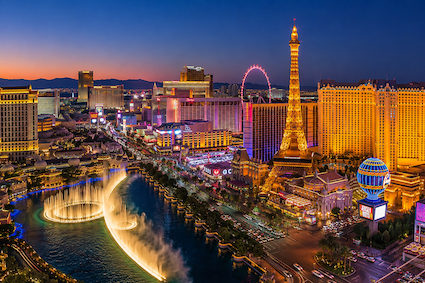
Las Vegas, Nevada, USA
Las Vegas is a city built around spectacle, imagination, and constant reinvention. Rising from the Mojave Desert in southern Nevada, it has transformed from a railroad [read more.]
To see more Waypoints in North America, please become a member here.
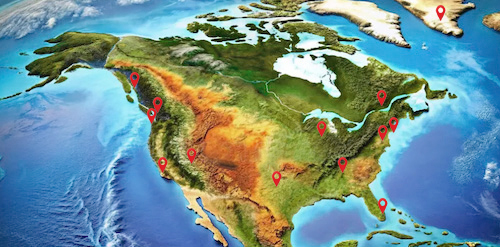
Clickable destinations featuring Reviews & Recommendations.
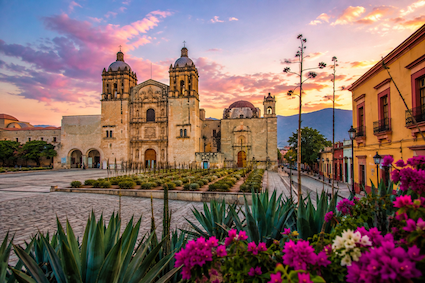
Oaxaca, Mexico
Oaxaca is one of Mexico's most culturally distinctive destinations, where Indigenous traditions, Spanish colonial architecture, contemporary art, and extraordinary ga [read more.]
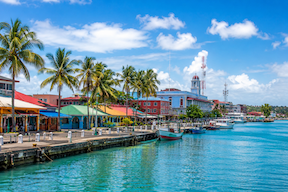
Limón, Costa Rica
Limón is the gateway to Costa Rica's Caribbean coast, a destination where tropical forests, beaches, wildlife, Afro-Caribbean traditions, and the rhythms of the sea [read more.]
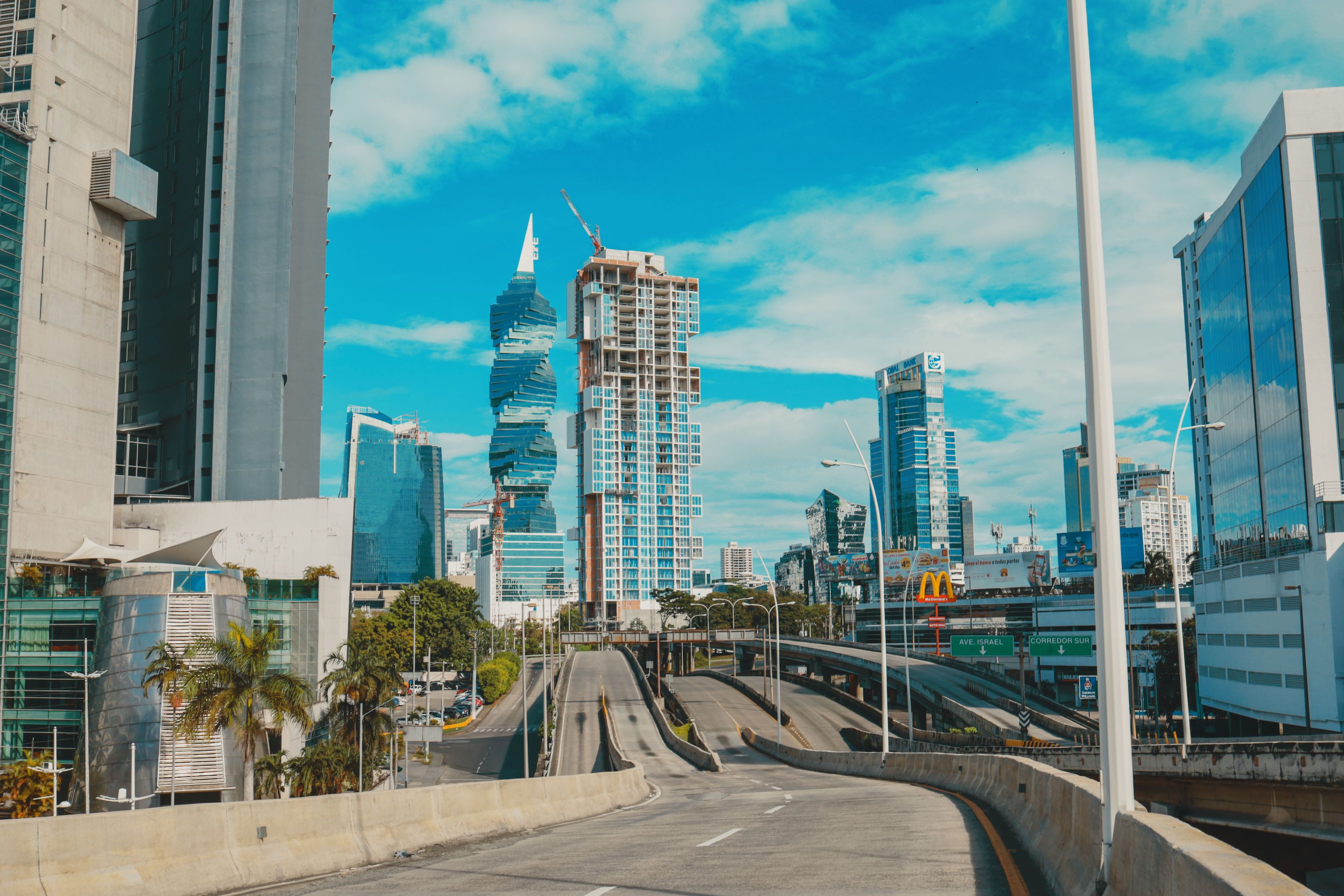
Panama City
Panama City is one of Central America's most dynamic destinations, where colonial history, global commerce, tropical nature, and modern architecture come together in [read more.]
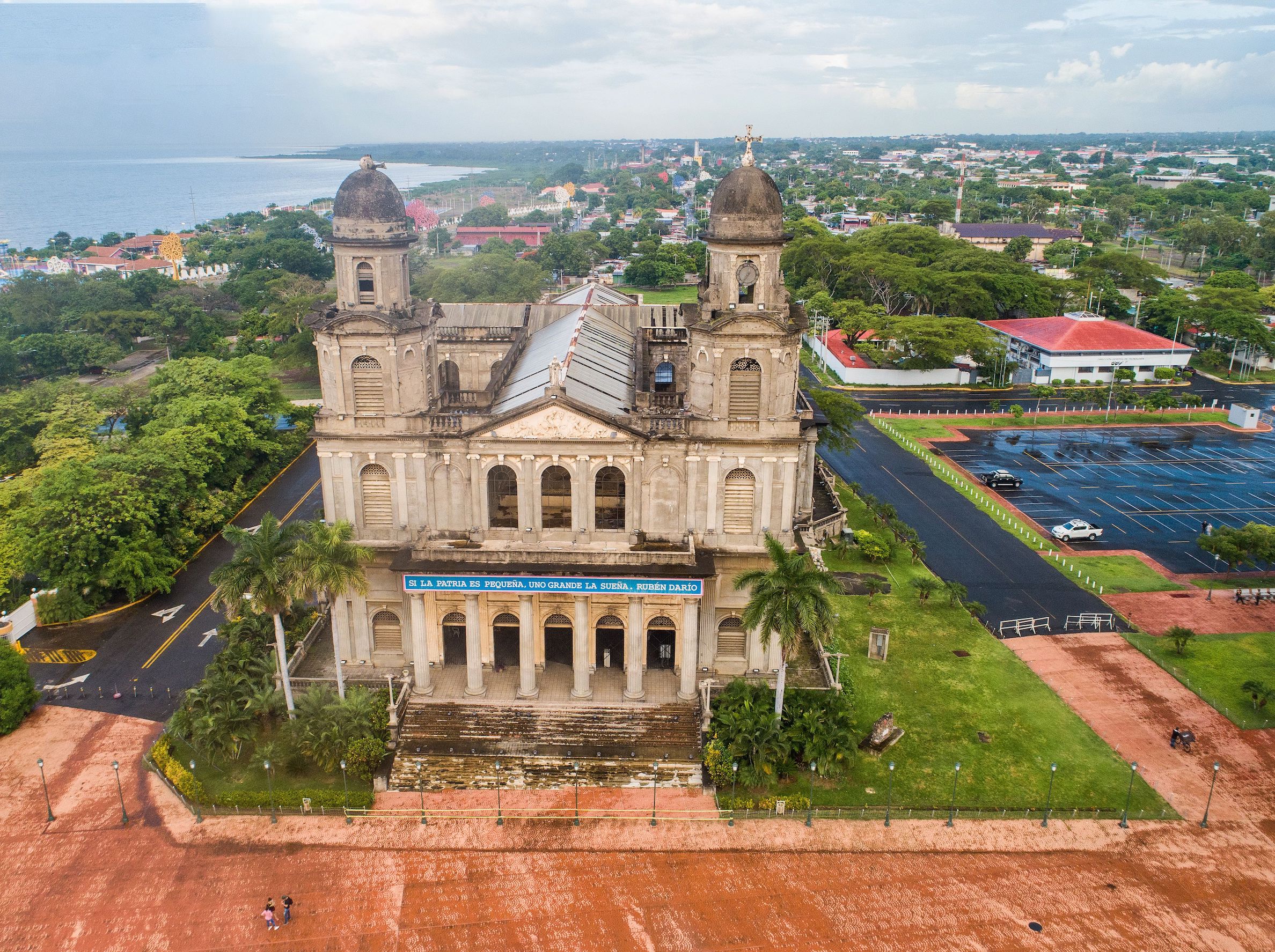
Nicaragua
Nicaragua is a country of volcanoes, lakes, colonial cities, tropical forests, Pacific beaches, and Caribbean islands. Located in the heart of Central America, it offer [read more.]
To see more Waypoints in Central America, please become a member here.
Clickable destinations featuring Reviews & Recommendations.
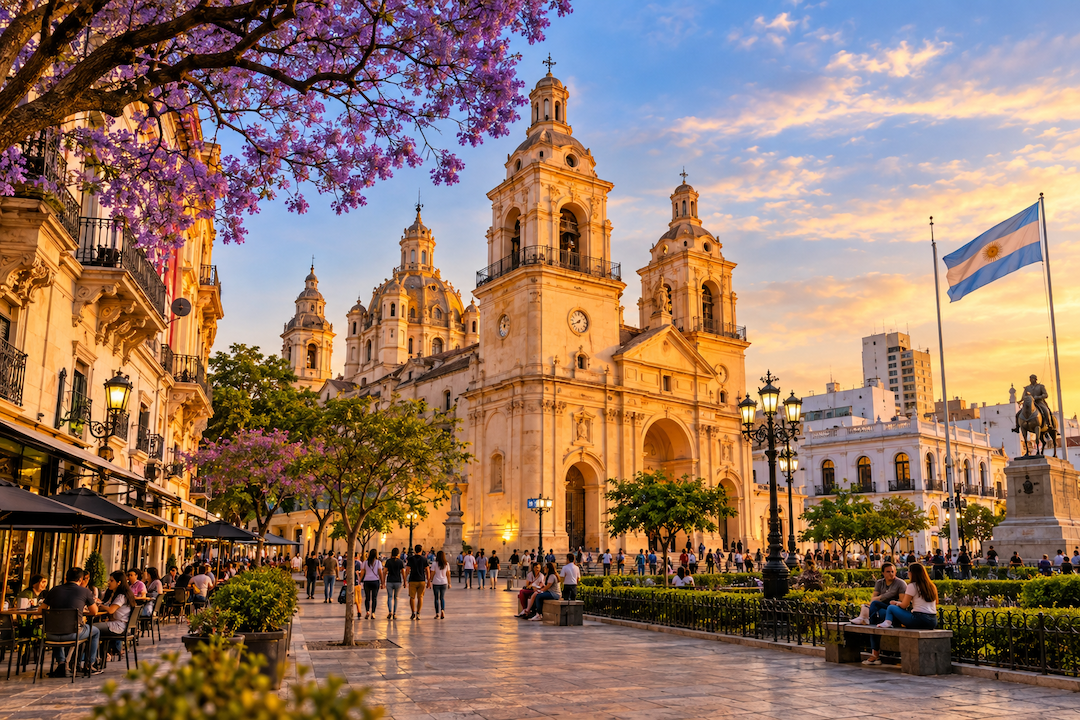
Córdoba — Argentina’s
Córdoba is a city where Argentina’s colonial past meets the energy of a young, creative population. Located in the geographical heart of the country, this provincial [read more.]
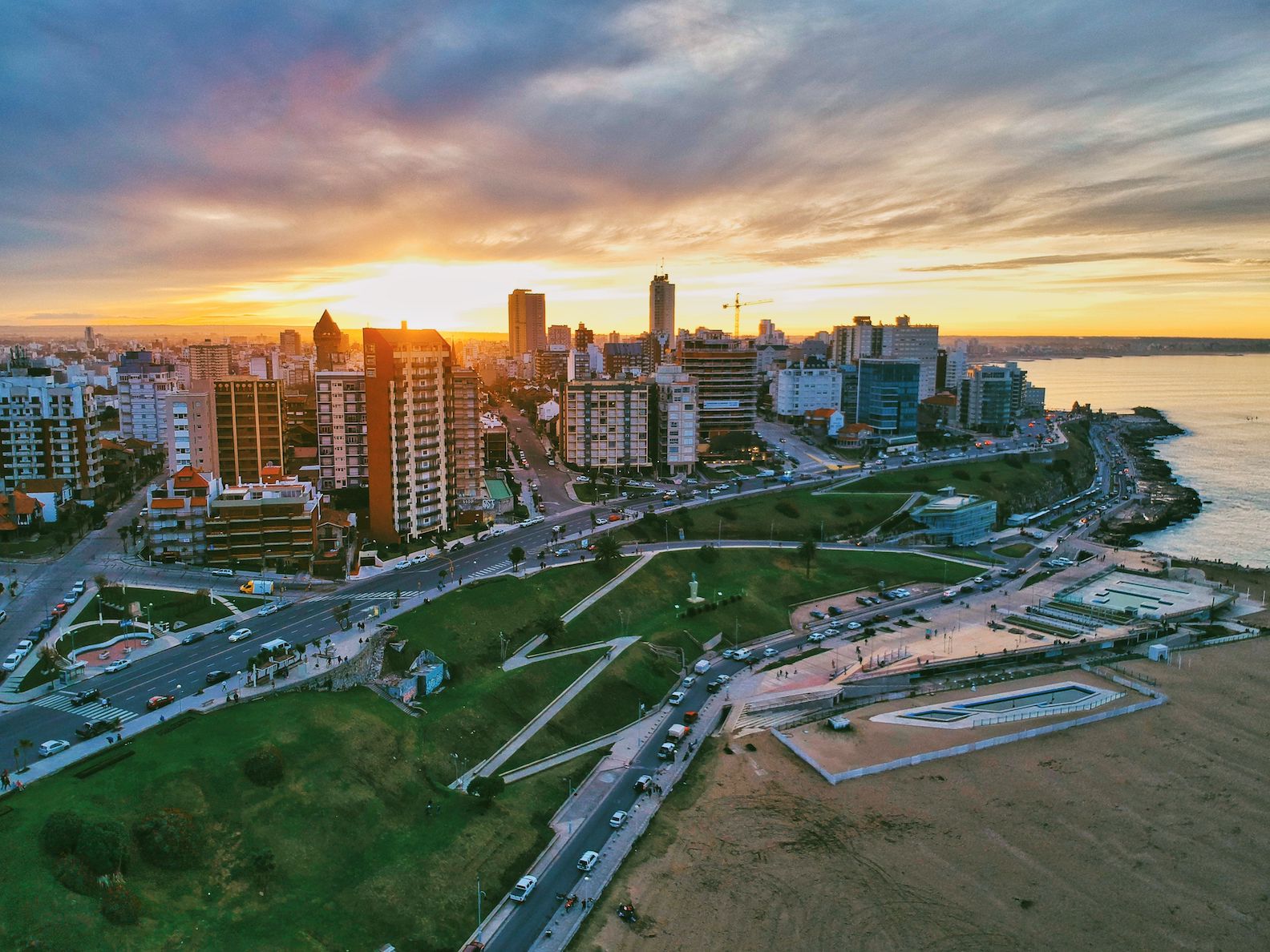
Montevideo, Uruguay
Montevideo is a city that rewards travelers who slow down. Uruguay’s capital stretches along the Río de la Plata, combining historic architecture, long waterfront pr [read more.]
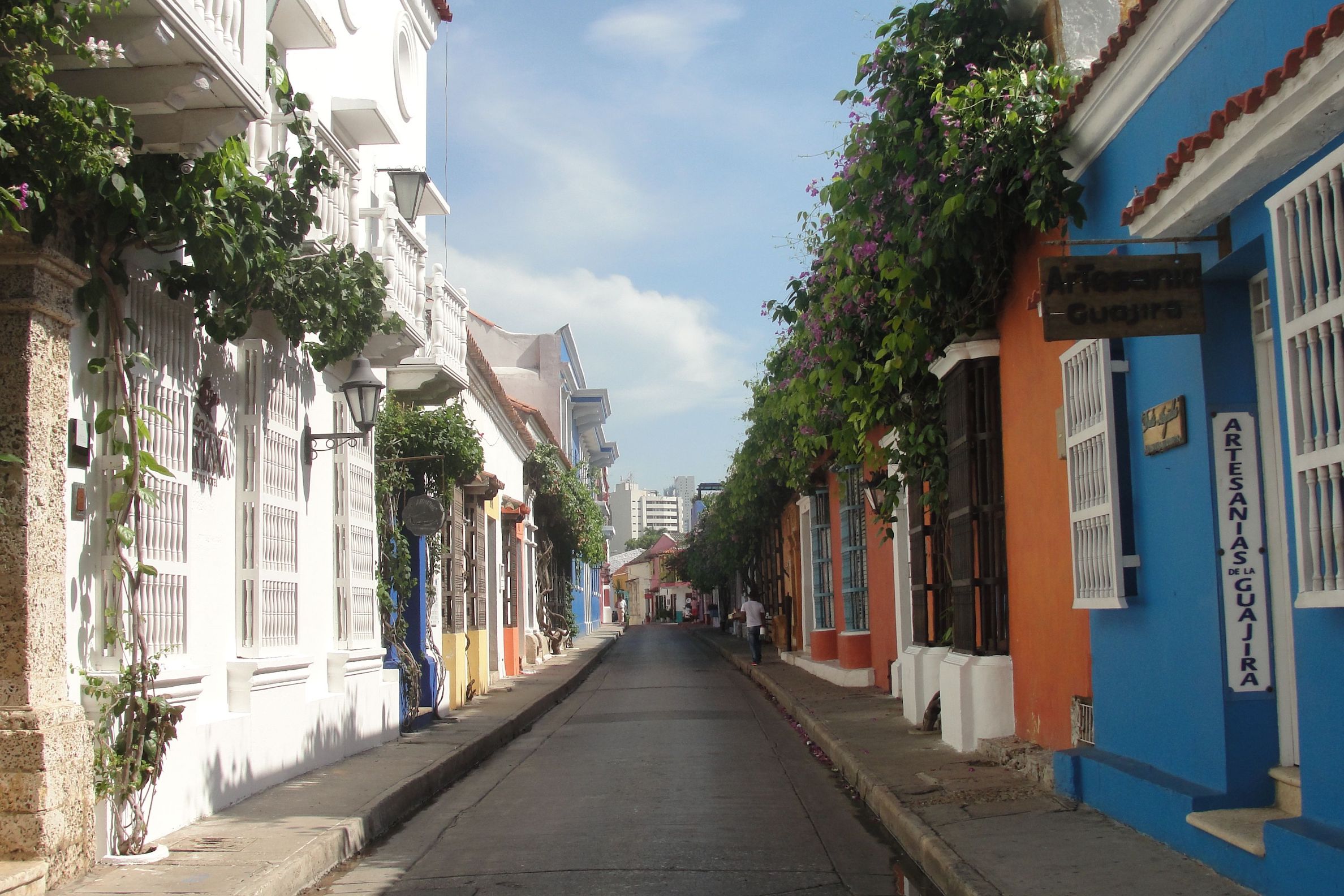
Cartagena, Colombia
Cartagena de Indias is a Caribbean city where centuries of history remain part of everyday life. Stone walls surround a UNESCO-listed historic center, colorful streets [read more.]
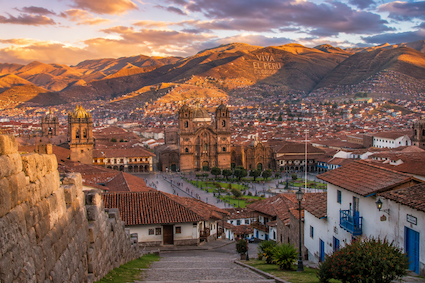
Cusco, Perú
Cusco is a city where the legacy of the Inca Empire remains visible in stone walls, archaeological sites, colonial churches, traditional markets, and the living culture [read more.]
To see more Waypoints in South America, please become a member here.
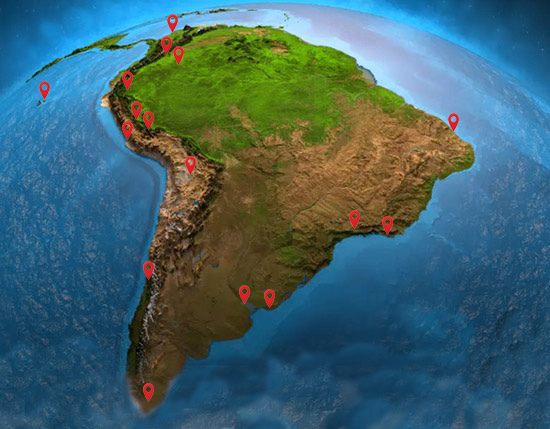
Clickable destinations featuring Reviews & Recommendations.
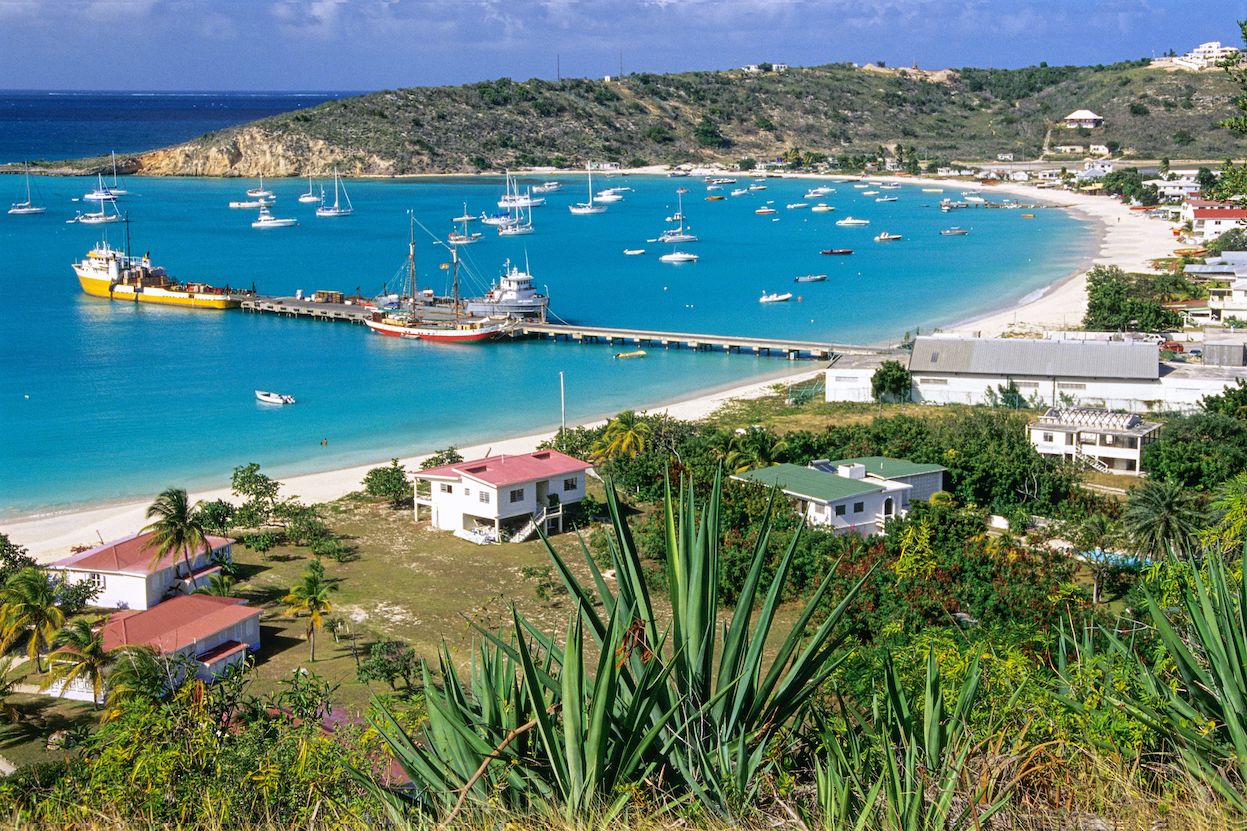
Anguilla
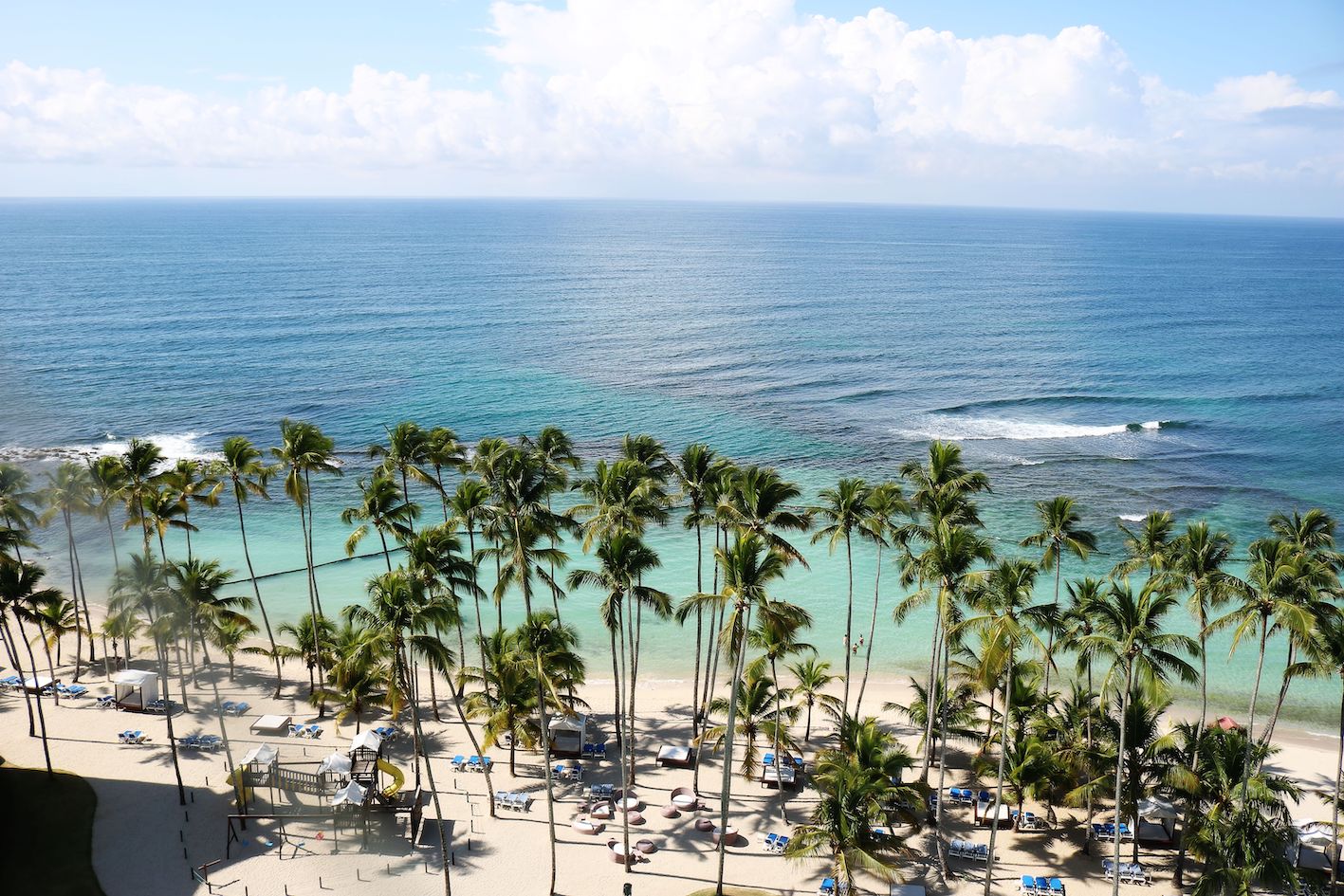
Jamaica
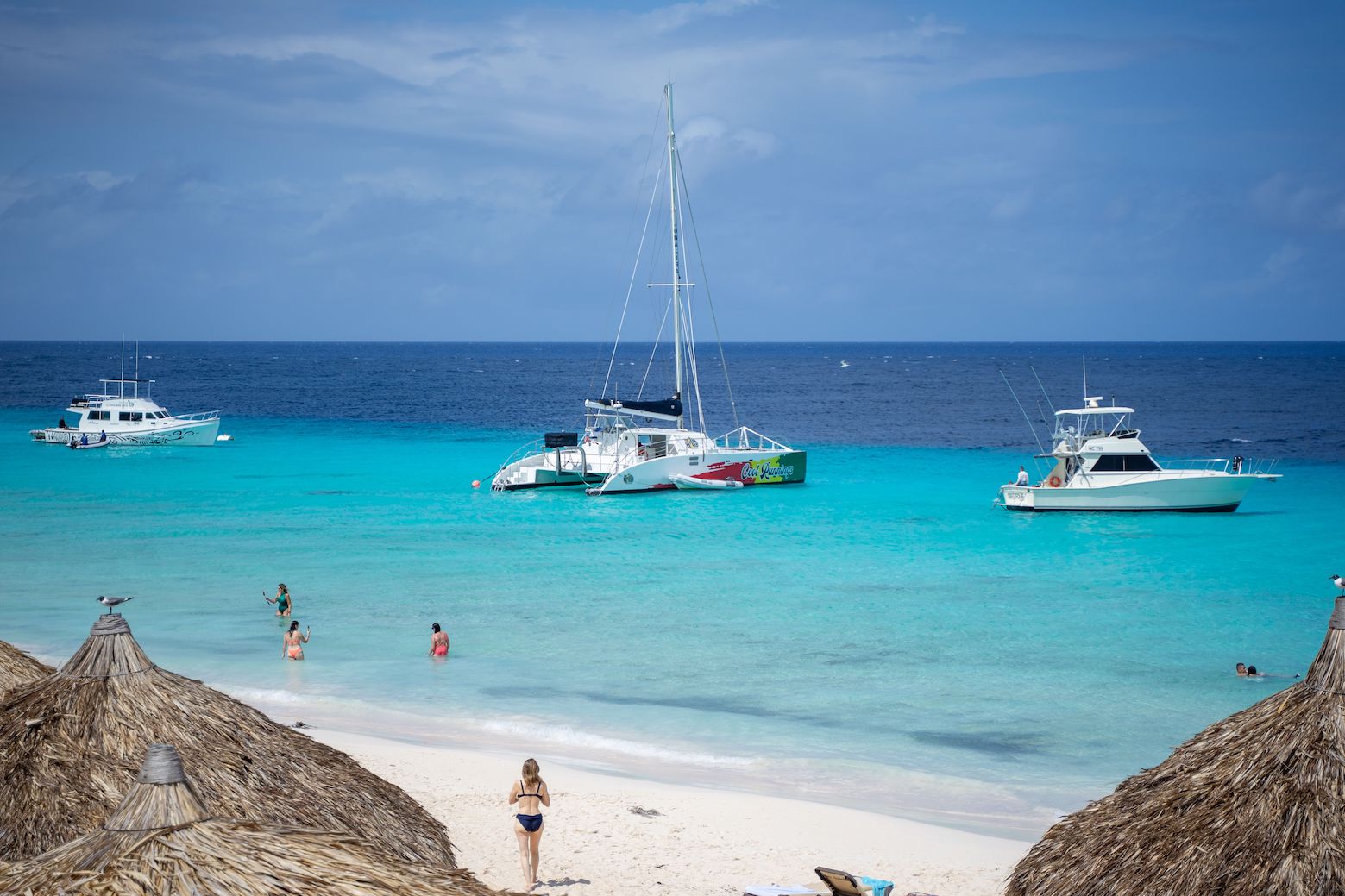
Aruba
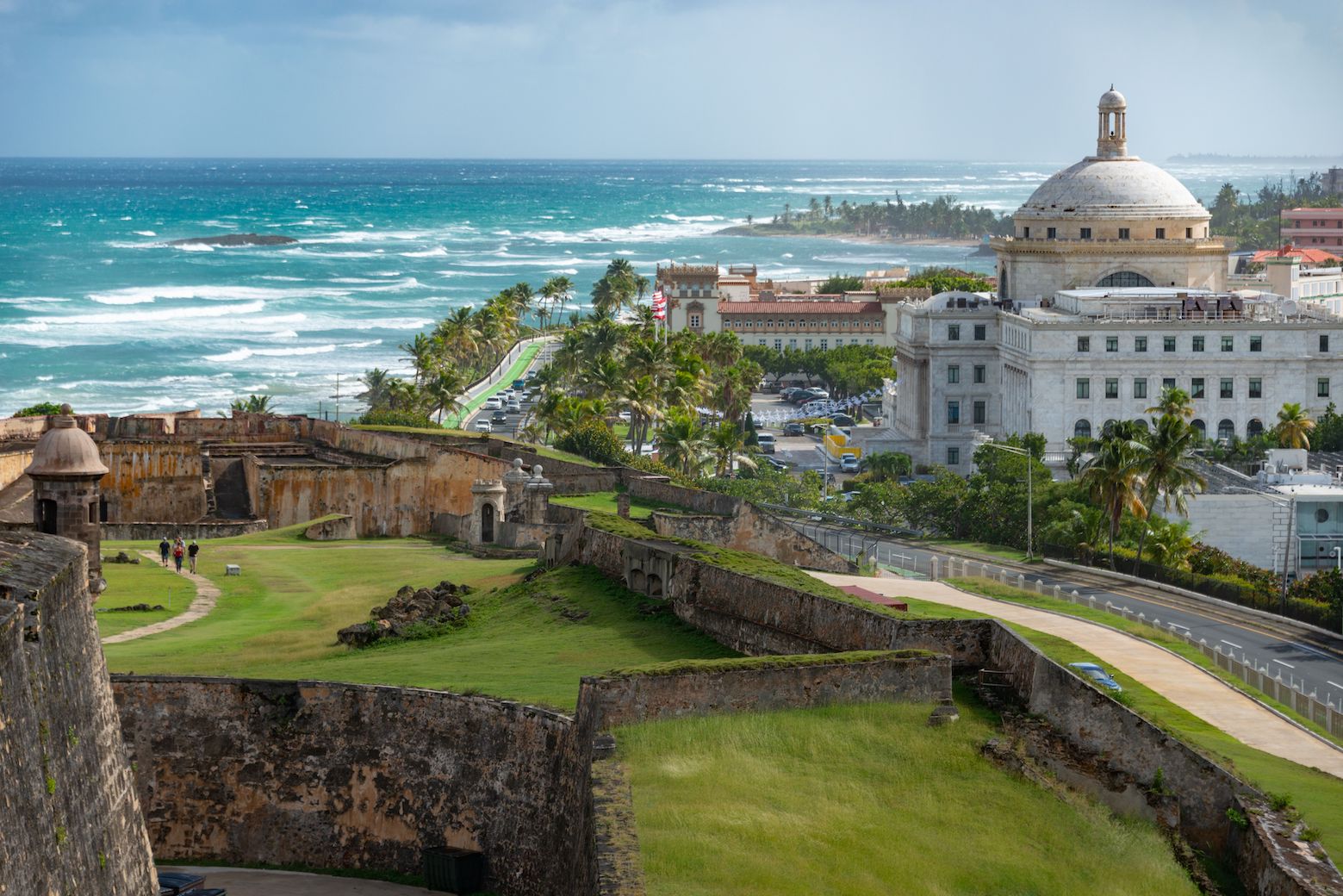
Puerto Rico
To see more Waypoints in The Caribbean, please become a member here.
|
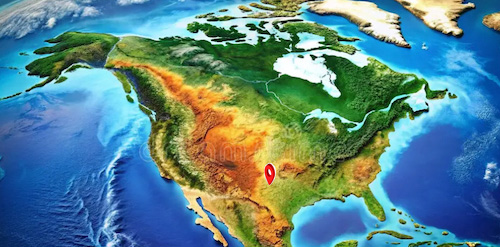
Waypoint Finder (Over 1,000 destinations in PanAmerica) |
|---|


Into the Arctic: A Polar Adventure in Churchill
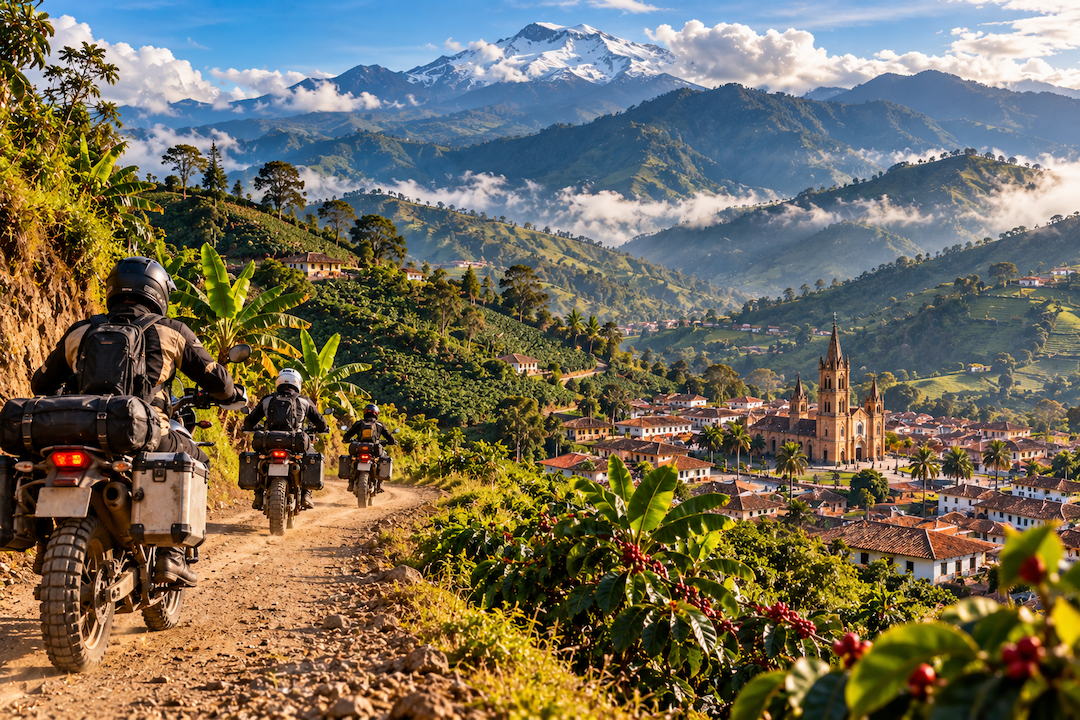
Ride The Andes: A Motorcycle Adventure Through Colombia
Nature
Tours that connect us with nature.
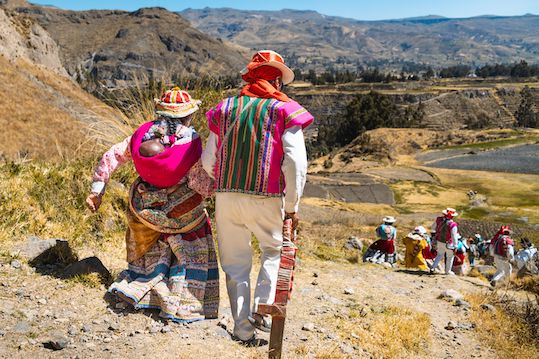
Food & Culture
What's coming up of interest to tourism specialists in Pan America.
Real City Tours – Exotic Fruits Tour in Medellín, Colombia
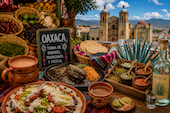
Oaxaca Food & Culture Tour – A Culinary Journey Through Mexico’s Indigenous Flavors
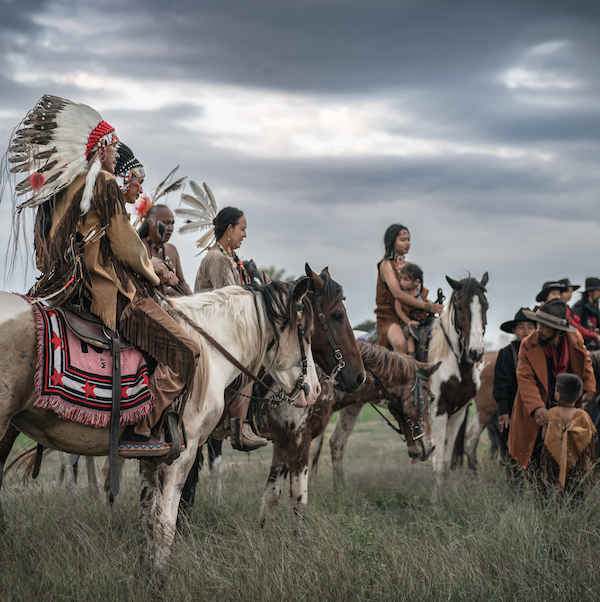
Indigenous Tours
Fashion, romance and wellness for travelers seeking confidence and style.
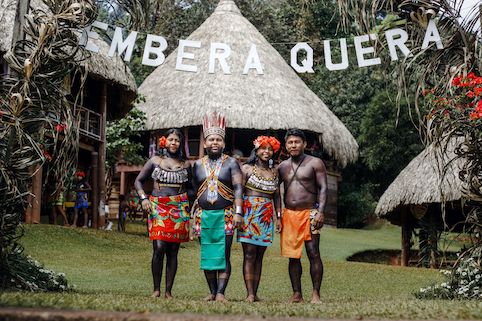
Experience the Emberá of the Darién – On the Only Expedition Operated by An Indigenous Community
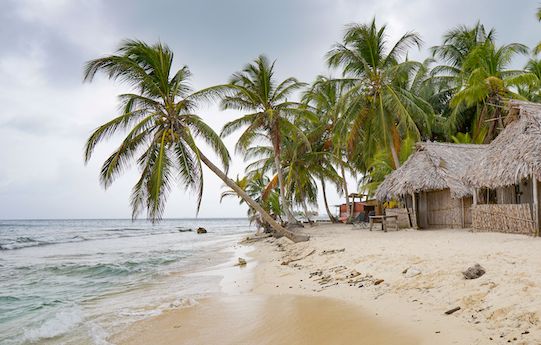
Indigenous Cultural Tour Guna Yala – Discover the Exotic San Blas Islands
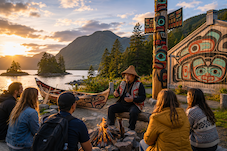
Indigenous Canada Tour – Explore First Nations, Inuit And Métis Cultures
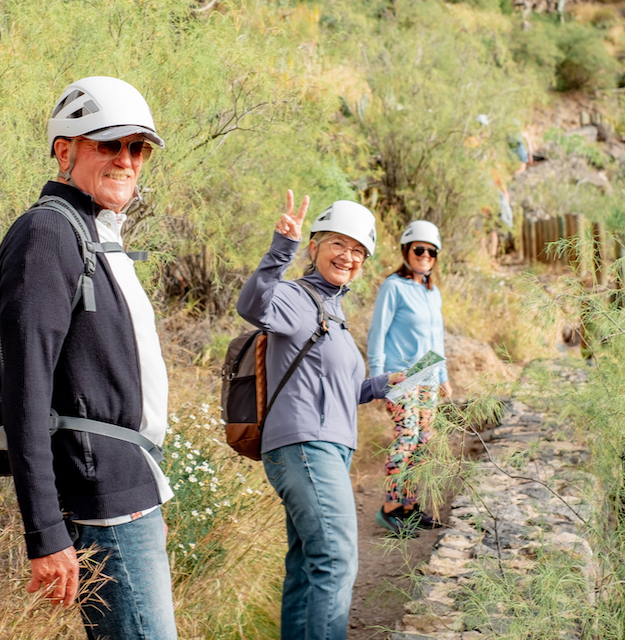
Outdoor Sports
Fashion, romance and wellness for travelers seeking confidence and style.
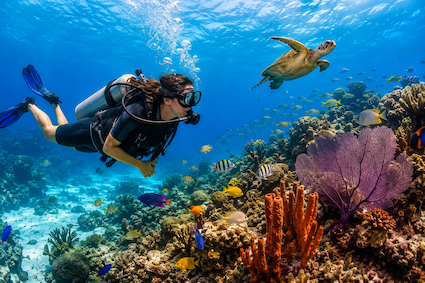
Scuba Diving Tours Through the Caribbean's Spectacular Coral Reefs
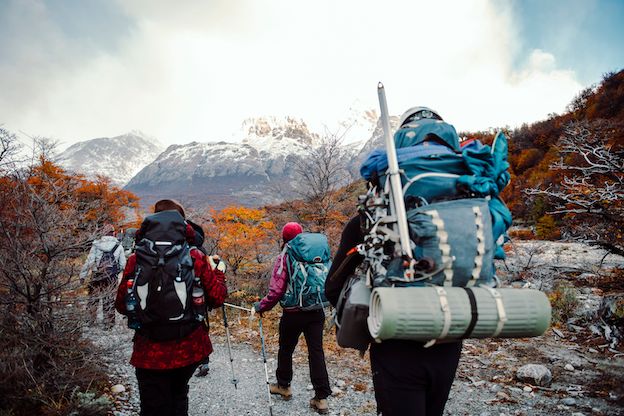
North Patagonia Ice Field Expedition Tour In Chile