 |
So Many Places To Visit!
|
----------- |

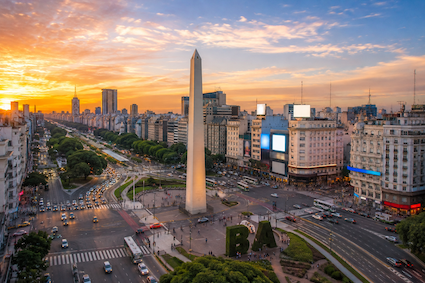
Buenos Aires glows at sunset around its iconic Obelisk, where grand avenues, historic architecture, tree-lined boulevards, and the constant energy of city life capture the cosmopolitan spirit of Argen 
Argentina Related Articles: |
ARGENTINA -- METROPOLIS -----------------71[ARTICLE] | |||
Buenos Aires, ArgentinaThe Elegant Capital Where European Heritage, Argentine Culture, and Modern Energy MeetBy Marbel Montoya for Ruta Pantera on 9/10/2026 6:46:14 AM |
||||
|
Buenos Aires is a city of grand avenues, historic neighborhoods, elegant architecture, passionate cultural traditions, and an unmistakable rhythm of its own. Located on the western shore of the Río de la Plata, Argentina's capital combines European-influenced architecture with distinctly Argentine expressions of music, literature, gastronomy, football, and everyday life. From the monumental avenues of the city center to the colorful streets of La Boca and the leafy boulevards of Palermo and Recoleta, Buenos Aires offers a remarkably diverse urban experience. A Capital Shaped by European Influences Buenos Aires developed into one of South America's most cosmopolitan cities during the late 19th and early 20th centuries, when immigration and economic growth transformed its architecture and urban landscape. Italian, Spanish, French, and other European influences can be seen in historic buildings, cafés, theaters, apartment houses, and public spaces throughout the city. The Plaza de Mayo remains the political and historical heart of Buenos Aires. The Casa Rosada, Metropolitan Cathedral, Cabildo, and surrounding government buildings frame a square that has witnessed many of the most important events in Argentina's modern history. The city's famous Avenida de Mayo then extends westward toward the Congreso Nacional, creating one of the capital's most impressive historic urban axes. |
||||

|
The Architecture of Recoleta and the Historic Center Recoleta is one of Buenos Aires' most elegant neighborhoods, known for its monumental buildings, tree-lined streets, museums, cafés, and cultural institutions. The neighborhood's architectural character reflects the city's historic fascination with Paris and other European capitals. The Cementerio de la Recoleta is one of the city's most remarkable landmarks. Its elaborate mausoleums, sculptures, narrow passages, and monumental tombs create an extraordinary open-air architectural landscape. Among the cemetery's most famous residents is Eva Perón, whose tomb attracts visitors from around the world. The nearby Teatro Colón is another architectural and cultural masterpiece. Considered one of the world's important opera houses, it is celebrated for its elaborate interiors, exceptional acoustics, and historic significance. Guided tours provide access to spaces that reveal the craftsmanship and design behind one of Buenos Aires' most important cultural institutions. |
|||
 Add this article to your favorites
[FOR SUBCRIBERS ONLY] Copy this link to send this article to a friend: [FOR SURSCRIBERS ONLY] |
||||

|
The Streets of San Telmo San Telmo offers a more intimate and historic side of the city. Cobblestone streets, colonial buildings, antique shops, traditional bars, galleries, and tango venues give the neighborhood an atmosphere strongly connected to Buenos Aires' past. Plaza Dorrego is the center of San Telmo's social life and becomes especially lively during the weekend Feria de San Telmo, where artisans, collectors, performers, and vendors create one of the city's most recognizable street markets. Tango is deeply connected to the identity of San Telmo and Buenos Aires as a whole. The dance developed in the working-class neighborhoods around the Río de la Plata during the late 19th century and eventually became one of Argentina's most internationally recognized cultural expressions. |
|||
| La Boca and the Colors of Buenos Aires La Boca provides one of the city's most visually distinctive experiences. The neighborhood developed around the port and became home to large immigrant communities, particularly Italians. Its colorful houses, painted façades, street murals, and artistic atmosphere have made it one of Buenos Aires' best-known destinations. Caminito is the neighborhood's most famous pedestrian street, lined with brightly painted buildings, tango performers, artists, restaurants, and craft stalls. Although highly touristic, it provides an accessible introduction to the artistic imagery associated with La Boca. The neighborhood is also closely associated with football. Boca Juniors, one of Argentina's most famous clubs, is based in La Boca, and the atmosphere surrounding match days demonstrates the extraordinary importance of football within Argentine culture. Palermo and the Modern City Palermo represents another side of Buenos Aires. The enormous neighborhood includes residential streets, parks, botanical gardens, museums, restaurants, cafés, bars, design stores, and nightlife venues. The Bosques de Palermo form one of the city's principal green spaces, offering lakes, walking paths, gardens, and shaded areas where residents escape the intensity of the metropolis. Nearby Palermo Soho and Palermo Hollywood have developed into major centers for contemporary design, fashion, food, and nightlife. The Museo de Arte Latinoamericano de Buenos Aires, better known as MALBA, provides an important perspective on modern and contemporary Latin American art. Its collection and exhibitions complement the city's historic museums and demonstrate Buenos Aires' continuing role as a center for regional creativity. |
||||
| A Culinary Capital of Argentina Buenos Aires is inseparable from Argentine food culture. Beef is particularly important, and the traditional parrilla remains one of the city's essential culinary experiences. Cuts such as bife de chorizo, entraña, vacío, and asado are commonly prepared over wood or charcoal and served with simple accompaniments. Italian immigration also left a profound influence on local cuisine. Pizza, pasta, milanesa, and ice cream are deeply embedded in the city's food culture, while empanadas and choripán provide more informal options. Buenos Aires' contemporary restaurant scene continues to evolve, with chefs increasingly incorporating native Argentine ingredients, regional wines, and modern techniques. Palermo, Recoleta, Villa Crespo, and Chacarita are particularly strong areas for discovering restaurants, wine bars, cafés, and contemporary dining experiences. Literature, Music, and Cultural Life Buenos Aires has long been associated with literature. Writers such as Jorge Luis Borges helped define the city's intellectual identity, and many neighborhoods, streets, cafés, and libraries continue to celebrate the connection between the city and Argentine literature. Bookstores are an important part of the urban experience. El Ateneo Grand Splendid, housed inside a beautifully preserved former theater, is one of the city's most famous bookstores and has become a destination in its own right because of its extraordinary architecture. Music and theater are equally important. Beyond tango, Buenos Aires has active scenes for rock, jazz, classical music, electronic music, and contemporary performance. Its numerous theaters and cultural centers ensure that the city remains active well after sunset. Getting There and What to Expect Buenos Aires is served by Ministro Pistarini International Airport, commonly known as Ezeiza, which handles most long-haul international flights, as well as Jorge Newbery Airport, which is particularly important for domestic and regional routes. The city's extensive public transportation network includes buses, subway lines, commuter trains, taxis, and rideshare services. Many of the central neighborhoods are also highly walkable, making walking one of the best ways to experience the city's architecture, cafés, parks, and street life. Buenos Aires experiences four distinct seasons. Summer, from December through February, is generally warm and can be humid, while winter, from June through August, is cooler but usually moderate. Spring and autumn are particularly pleasant for exploring the city on foot. Accommodation ranges from historic luxury hotels and elegant boutique properties to contemporary design hotels, apartments, and budget hostels. Recoleta, Palermo, San Telmo, and the central areas around Avenida Corrientes are popular choices depending on whether travelers prioritize architecture, nightlife, food, or cultural attractions. A City That Never Stops Reinventing Itself Buenos Aires is a city of contrasts that constantly moves between tradition and reinvention. European-inspired architecture stands beside contemporary design, century-old cafés remain active while new restaurants transform the culinary scene, and tango continues to evolve alongside modern music and nightlife. From the grand spaces of Plaza de Mayo to the intimate streets of San Telmo, the colorful façades of La Boca and the elegant avenues of Recoleta, Buenos Aires reveals a city whose identity has been shaped by immigration, creativity, passion, and an enduring connection to Argentine culture. It is a destination best experienced slowly—one neighborhood, café, plaza, and evening at a time. |
||||
| --rutapanter.com-- | ||
|
References: Gobierno de la Ciudad de Buenos Aires. (n.d.). Turismo Buenos Aires. https://turismo.buenosaires.gob.ar/ Argentina Travel. (n.d.). Buenos Aires. https://www.argentina.travel/ UNESCO. (n.d.). Buenos Aires — Creative Cities Network. https://www.unesco.org/ Ministerio de Cultura de la Nación Argentina. (n.d.). Cultura Argentina. https://www.argentina.gob.ar/cultura
| |
|
| Instagram: | Email contact: | Interest area: |

Dallas/Fort Worth, Texas
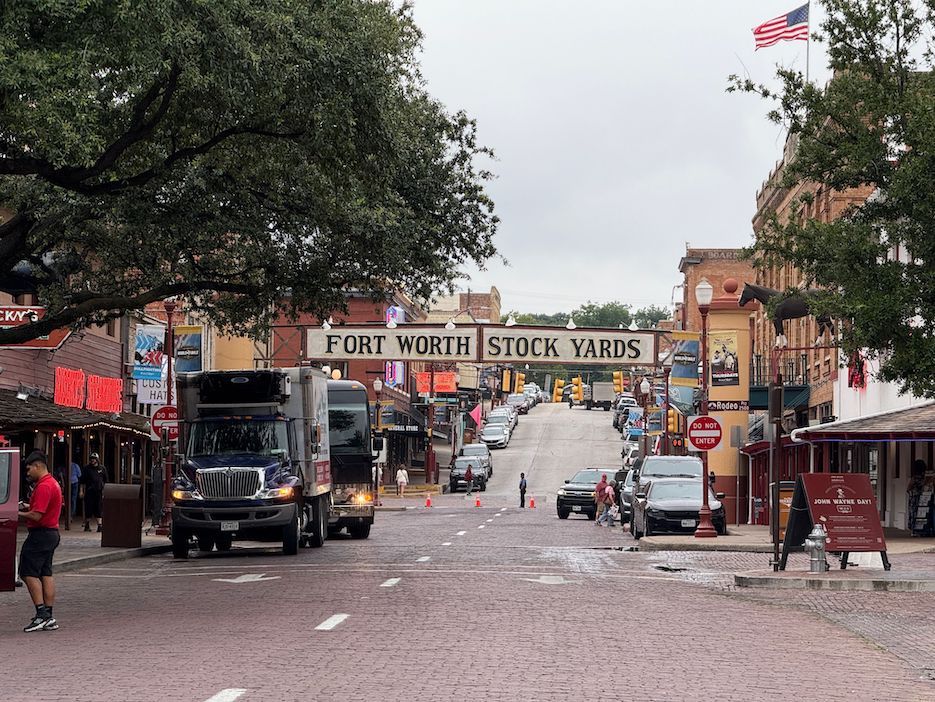
Dallas/Fort Worth is one of Texas’s major metropolitan areas and an important gateway to the state. Although the two cities are closely connected geographically and e [read more.]
Washington, DC
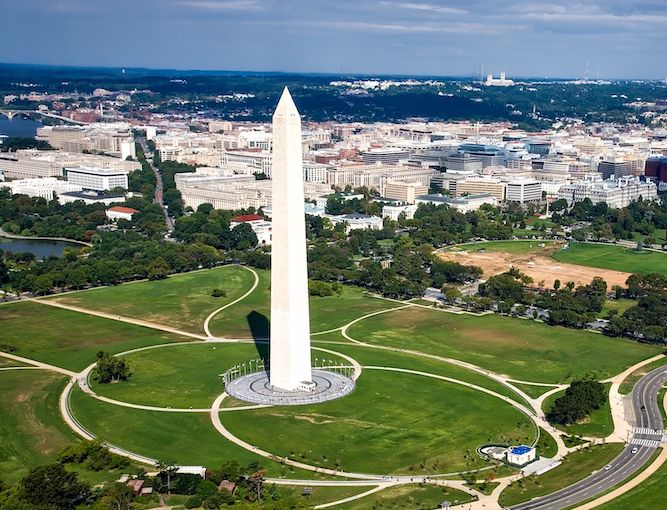
Washington, DC is the capital of the United States and one of the country’s most distinctive travel destinations. Unlike most major American cities, its identity is s [read more.]
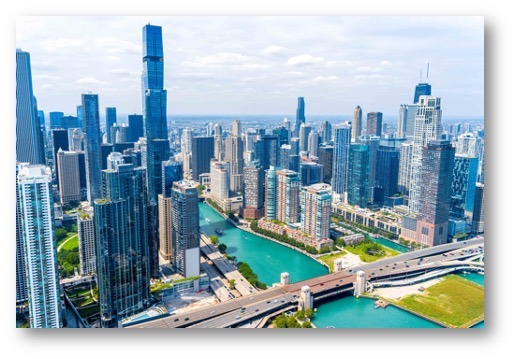
Chicago, Illinois
Chicago is one of the most recognizable cities in the United States, built along the shores of Lake Michigan and known for its architecture, museums, music, food, and e [read more.]
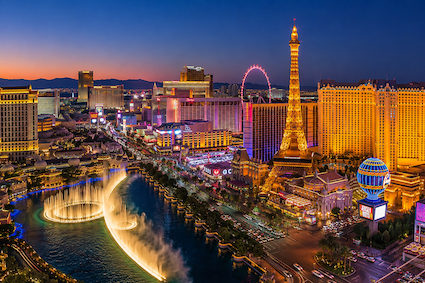
Las Vegas, Nevada, USA
Las Vegas is a city built around spectacle, imagination, and constant reinvention. Rising from the Mojave Desert in southern Nevada, it has transformed from a railroad [read more.]
To see more Waypoints in North America, please become a member here.

Clickable destinations featuring Reviews & Recommendations.
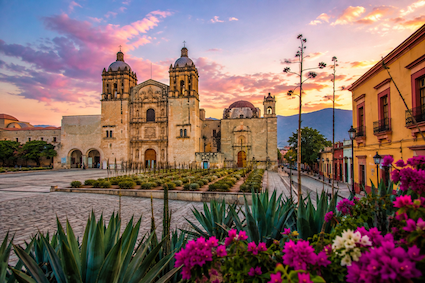
Oaxaca, Mexico
Oaxaca is one of Mexico's most culturally distinctive destinations, where Indigenous traditions, Spanish colonial architecture, contemporary art, and extraordinary ga [read more.]
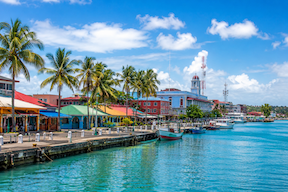
Limón, Costa Rica
Limón is the gateway to Costa Rica's Caribbean coast, a destination where tropical forests, beaches, wildlife, Afro-Caribbean traditions, and the rhythms of the sea [read more.]
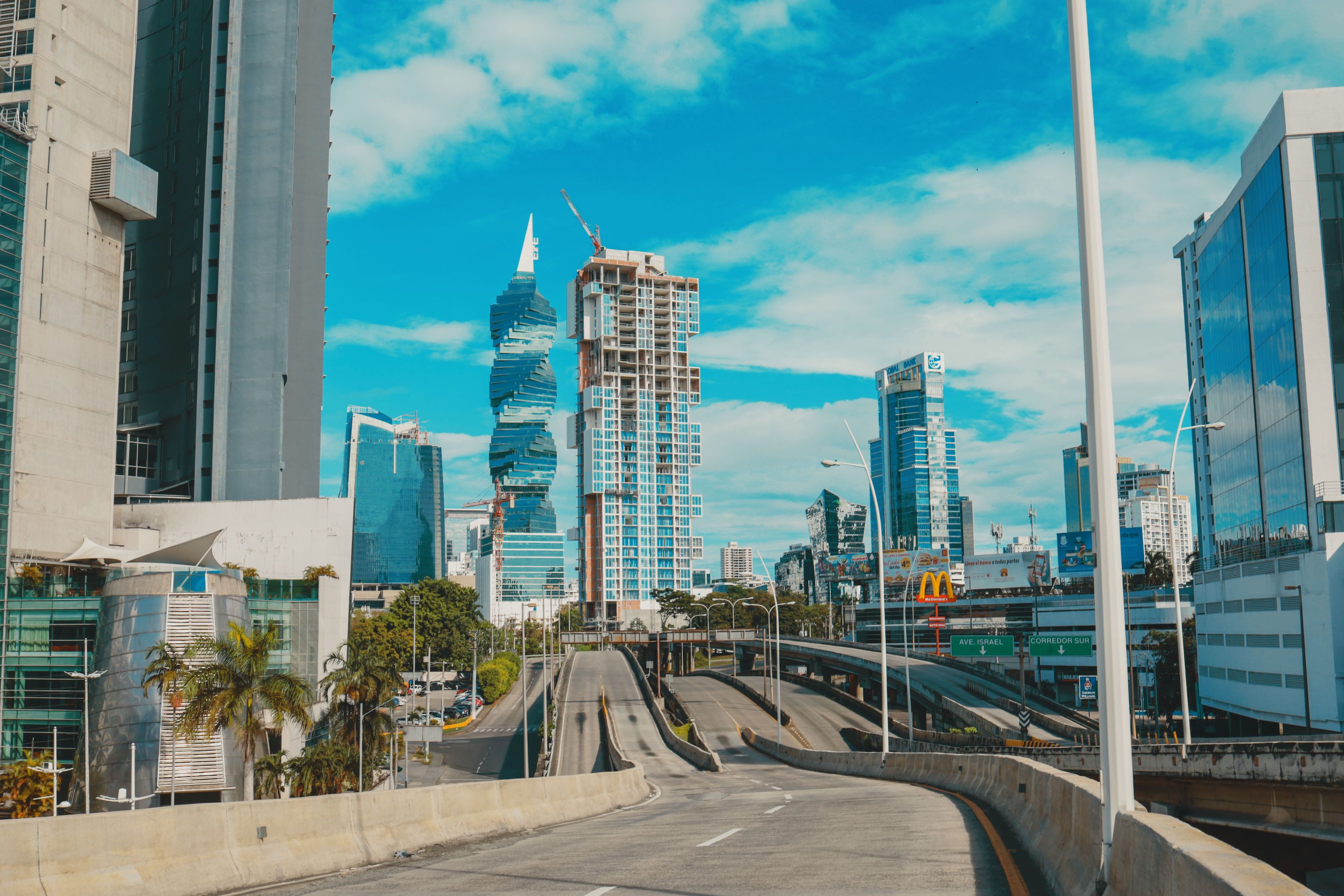
Panama City
Panama City is one of Central America's most dynamic destinations, where colonial history, global commerce, tropical nature, and modern architecture come together in [read more.]
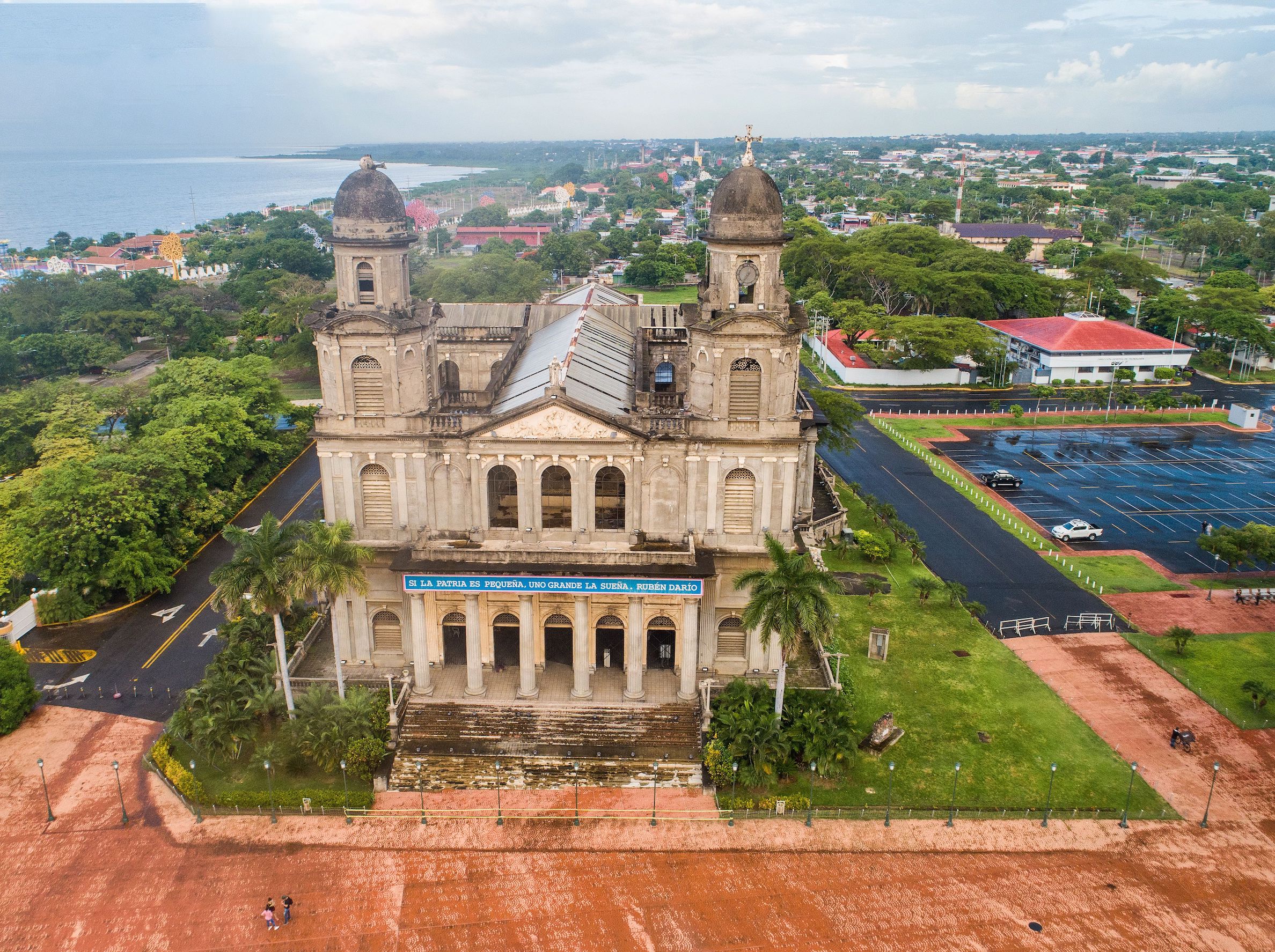
Nicaragua
Nicaragua is a country of volcanoes, lakes, colonial cities, tropical forests, Pacific beaches, and Caribbean islands. Located in the heart of Central America, it offer [read more.]
To see more Waypoints in Central America, please become a member here.

Clickable destinations featuring Reviews & Recommendations.
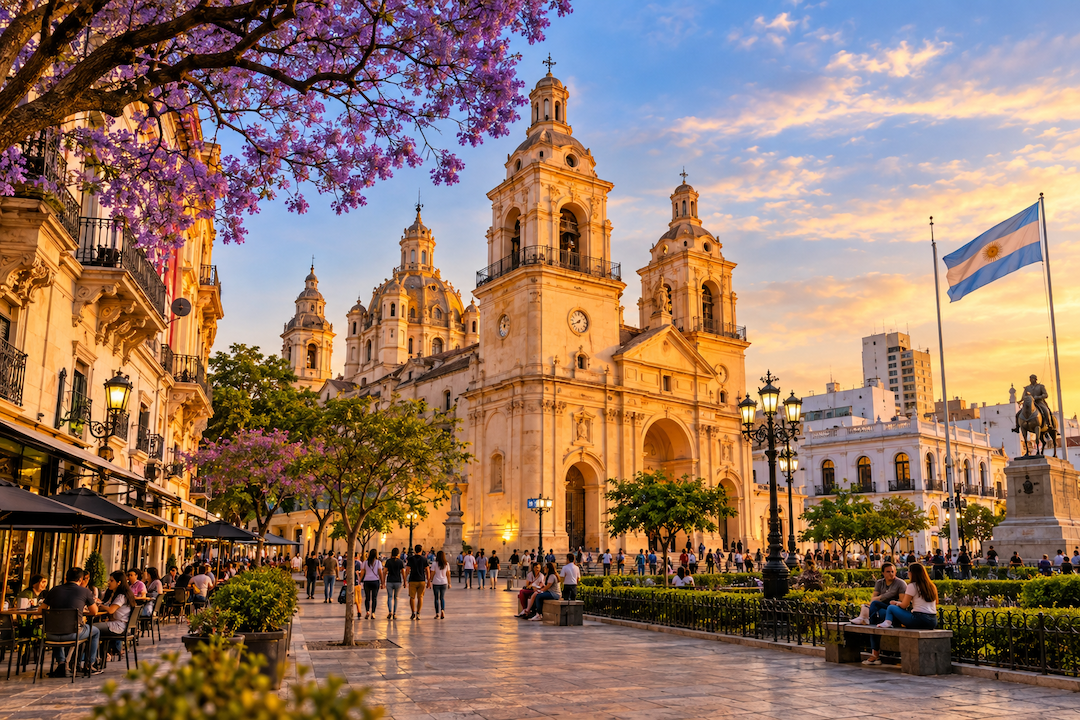
Córdoba — Argentina’s
Córdoba is a city where Argentina’s colonial past meets the energy of a young, creative population. Located in the geographical heart of the country, this provincial [read more.]
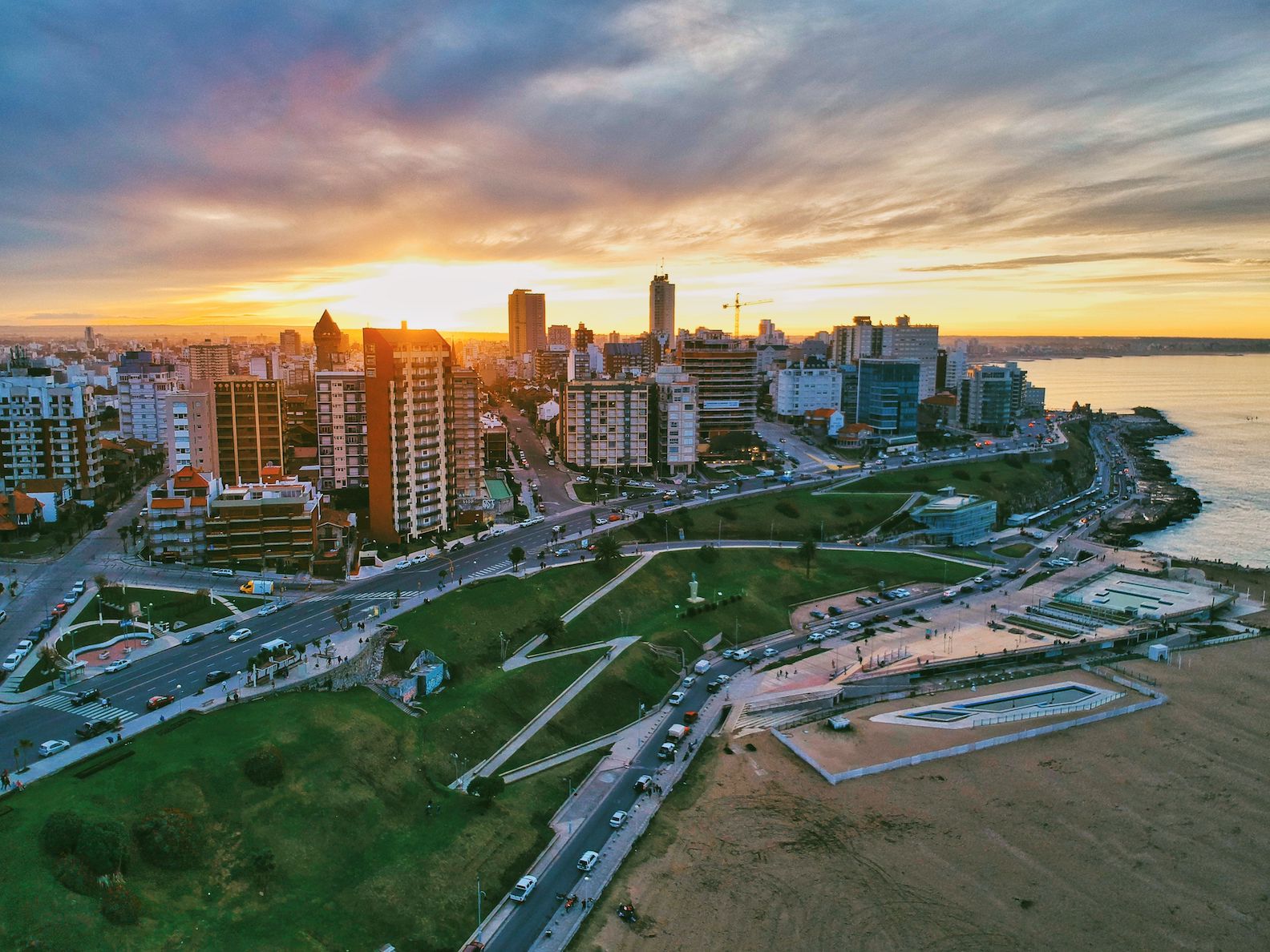
Montevideo, Uruguay
Montevideo is a city that rewards travelers who slow down. Uruguay’s capital stretches along the Río de la Plata, combining historic architecture, long waterfront pr [read more.]
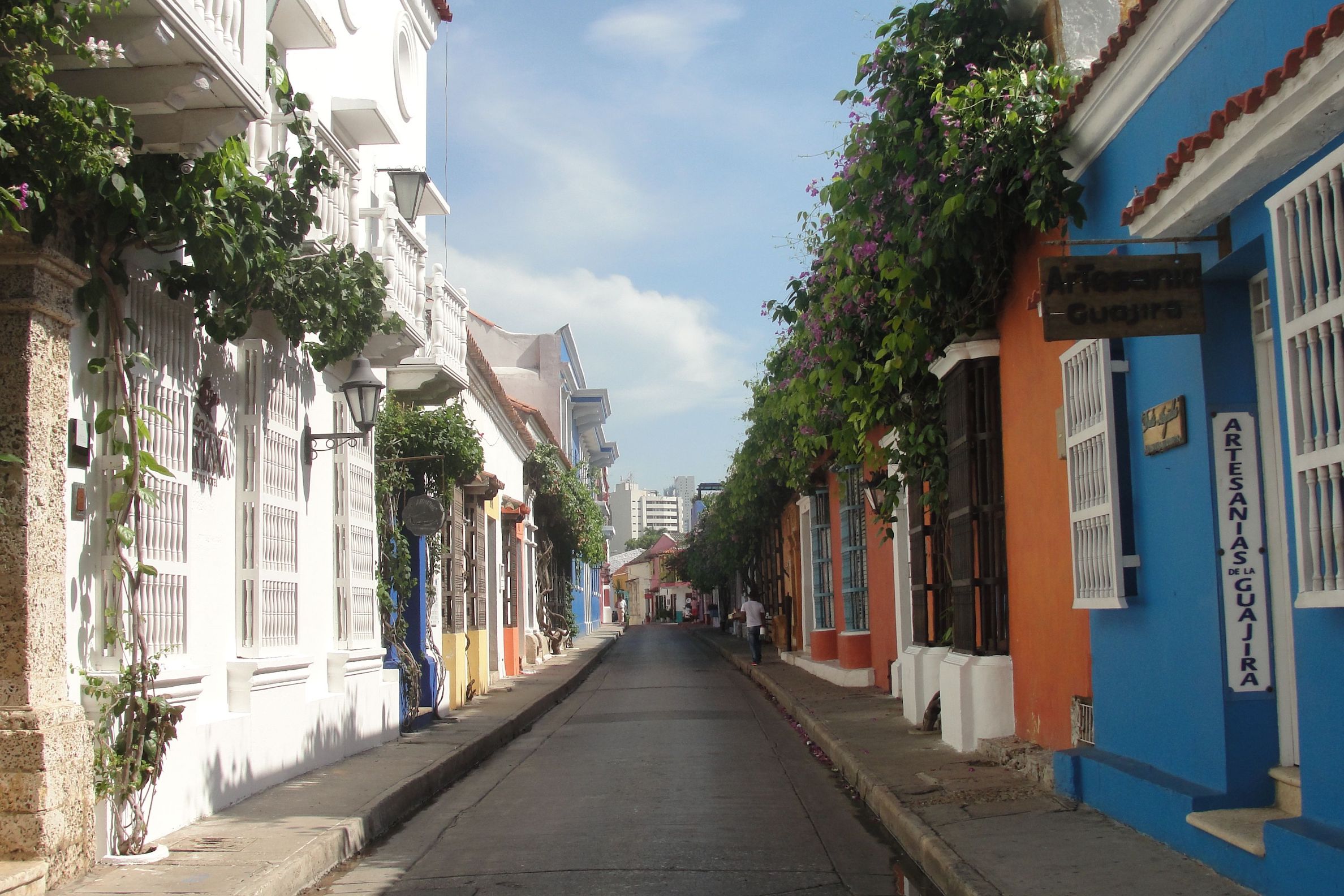
Cartagena, Colombia
Cartagena de Indias is a Caribbean city where centuries of history remain part of everyday life. Stone walls surround a UNESCO-listed historic center, colorful streets [read more.]
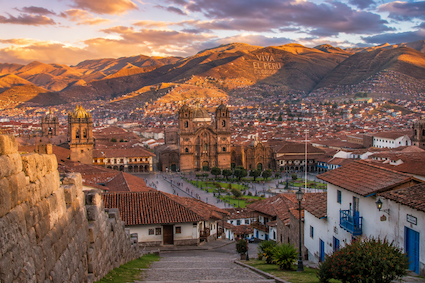
Cusco, Perú
Cusco is a city where the legacy of the Inca Empire remains visible in stone walls, archaeological sites, colonial churches, traditional markets, and the living culture [read more.]
To see more Waypoints in South America, please become a member here.
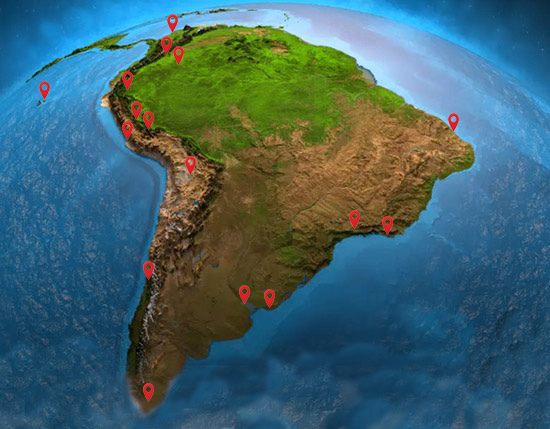
Clickable destinations featuring Reviews & Recommendations.
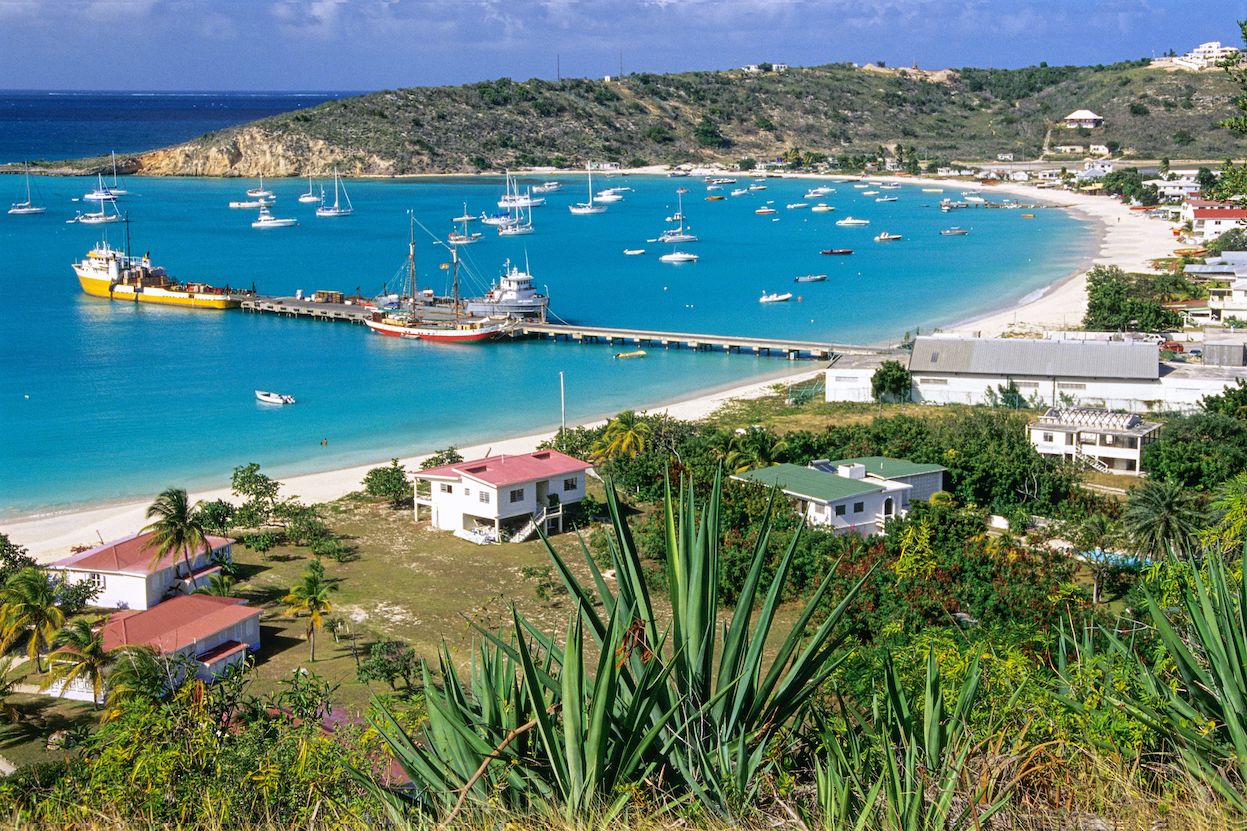
Anguilla
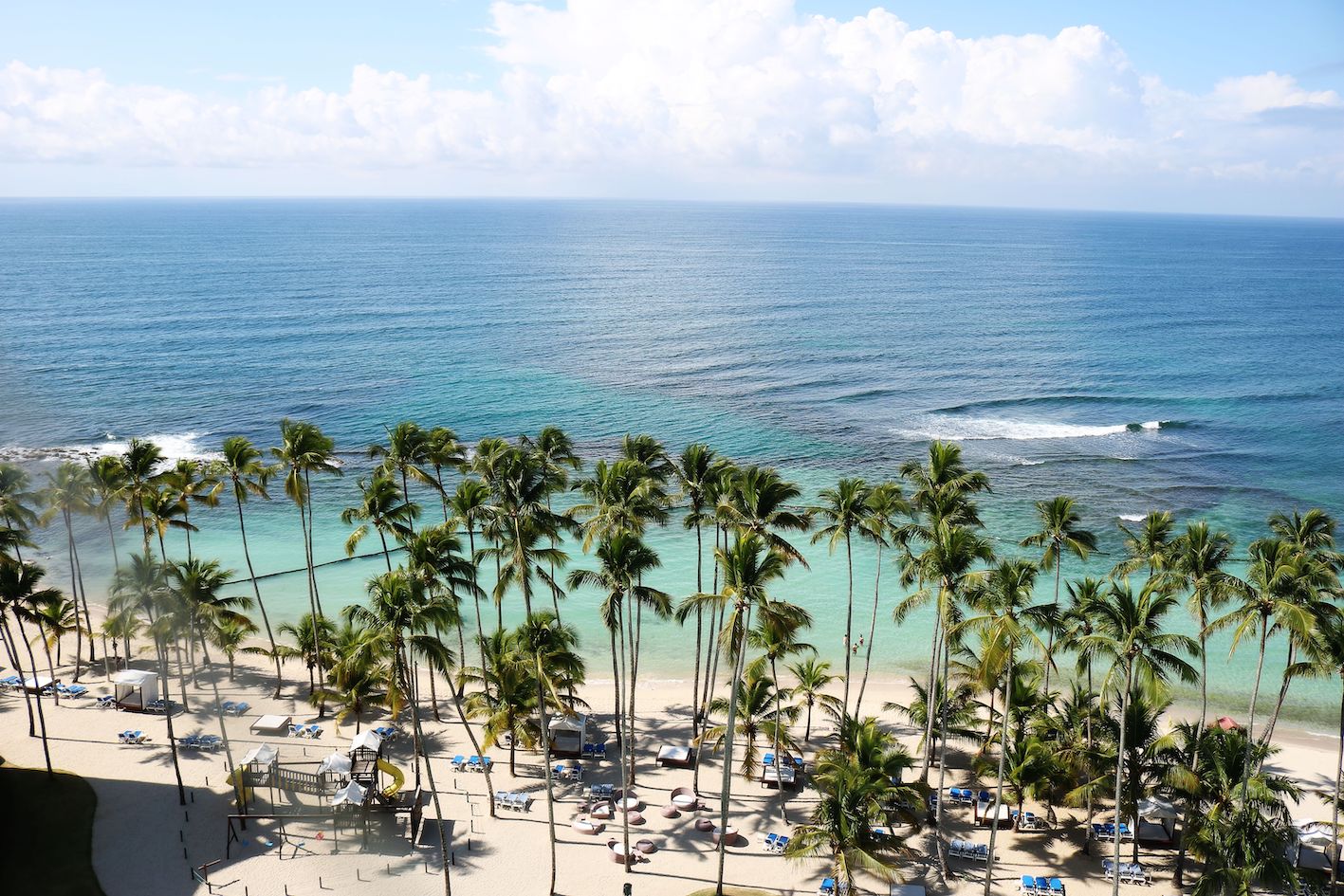
Jamaica
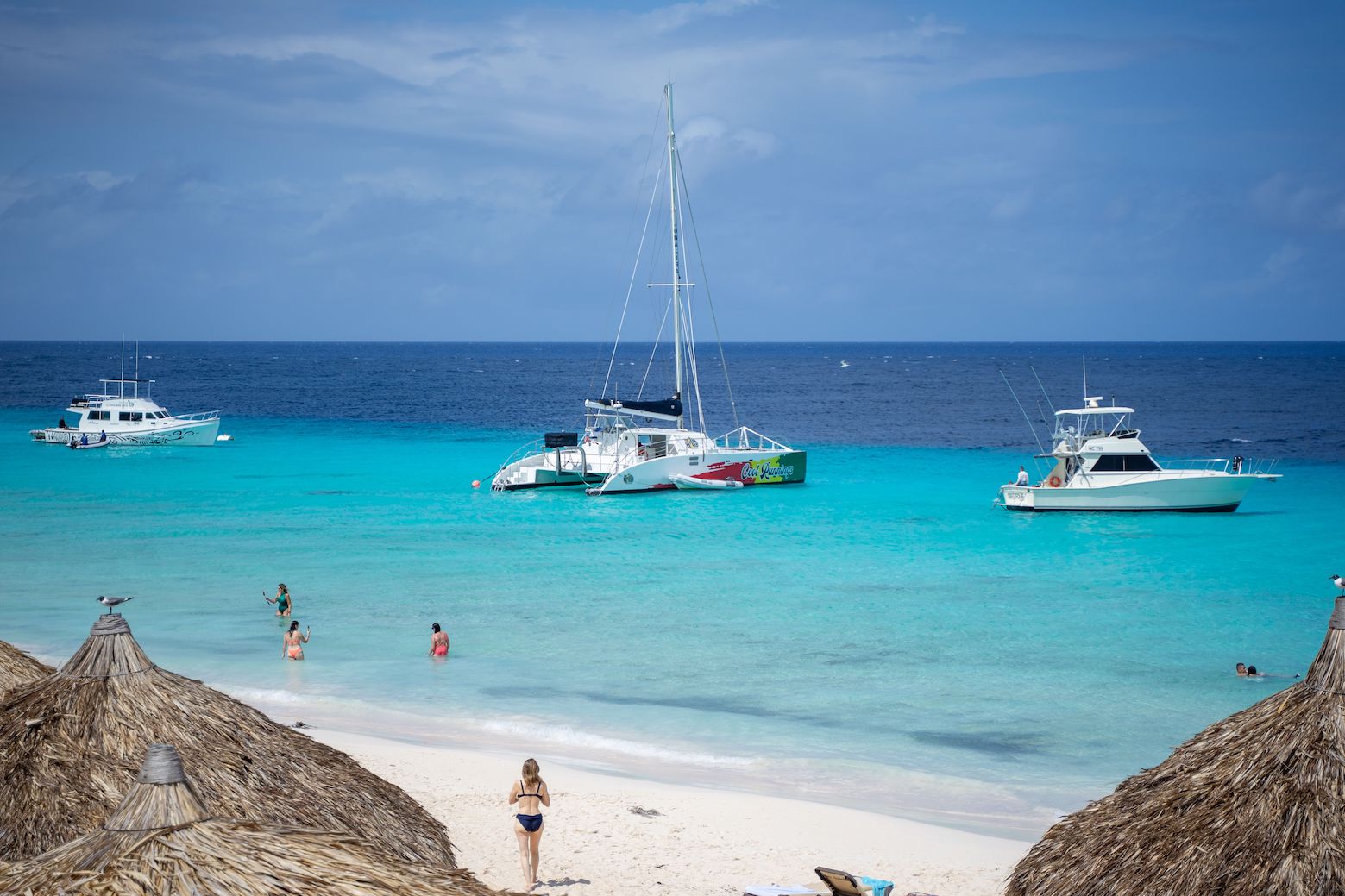
Aruba
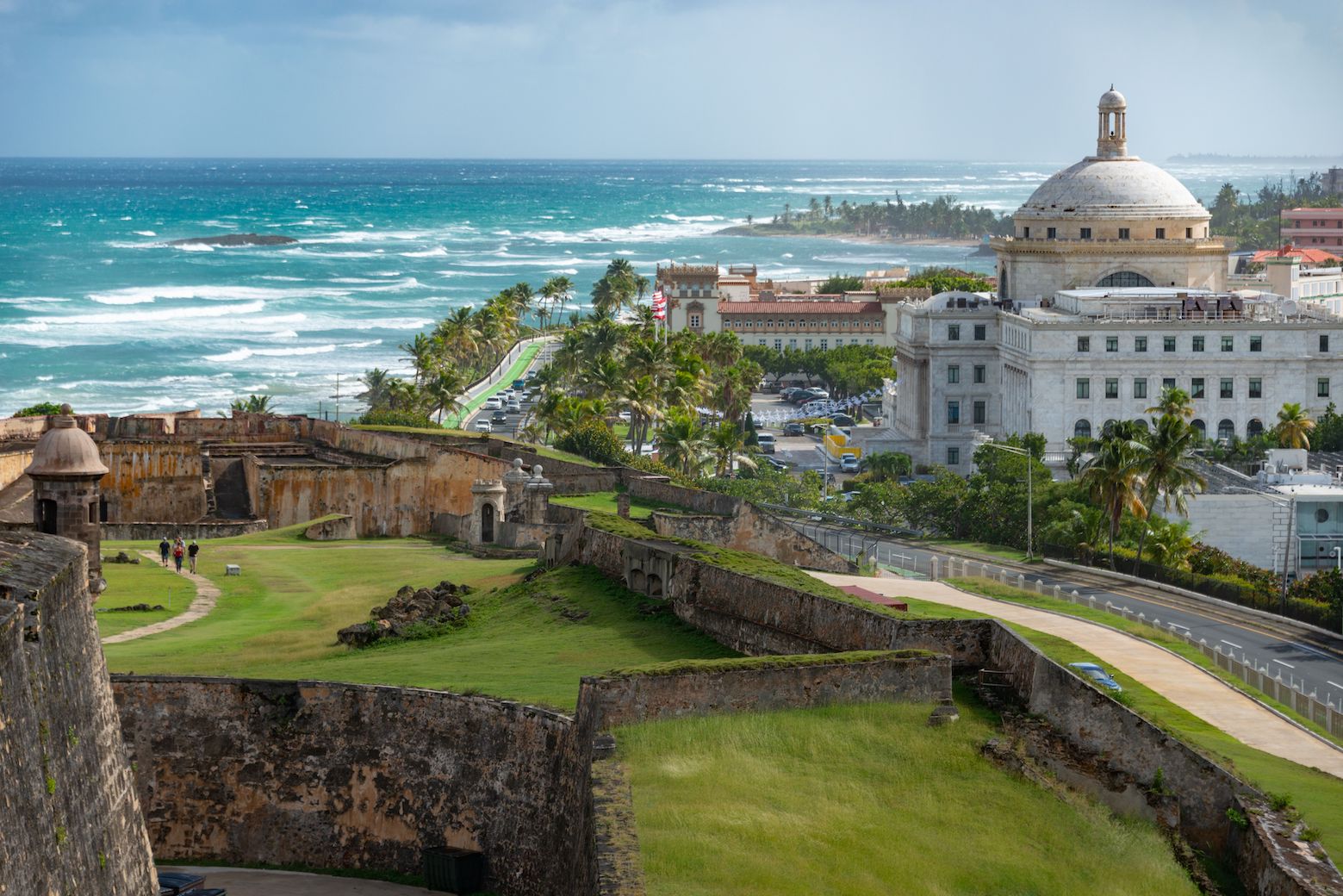
Puerto Rico
To see more Waypoints in The Caribbean, please become a member here.

|
Waypoint Finder (Over 1,000 destinations in PanAmerica) |
|---|


Into the Arctic: A Polar Adventure in Churchill
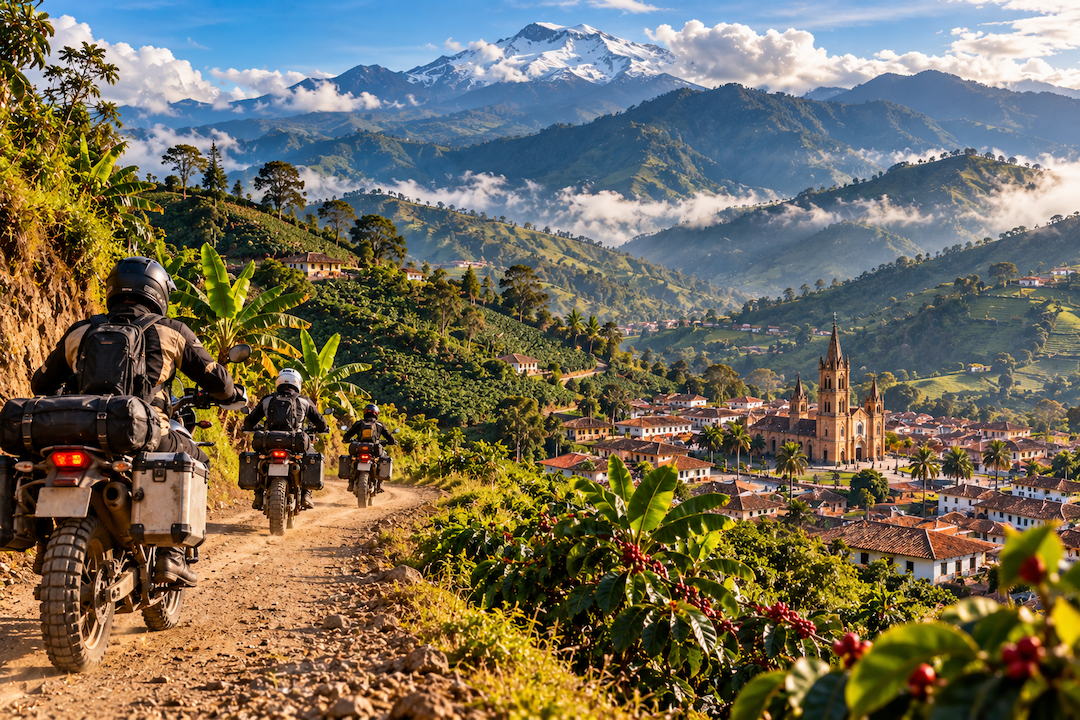
Ride The Andes: A Motorcycle Adventure Through Colombia


Nature
Tours that connect us with nature.

Food & Culture
What's coming up of interest to tourism specialists in Pan America.

Real City Tours – Exotic Fruits Tour in Medellín, Colombia
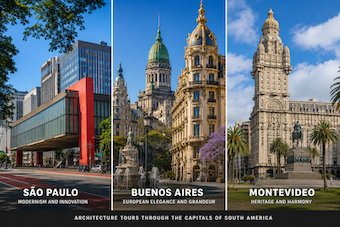
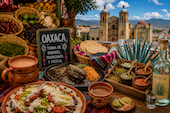
Oaxaca Food & Culture Tour – A Culinary Journey Through Mexico’s Indigenous Flavors
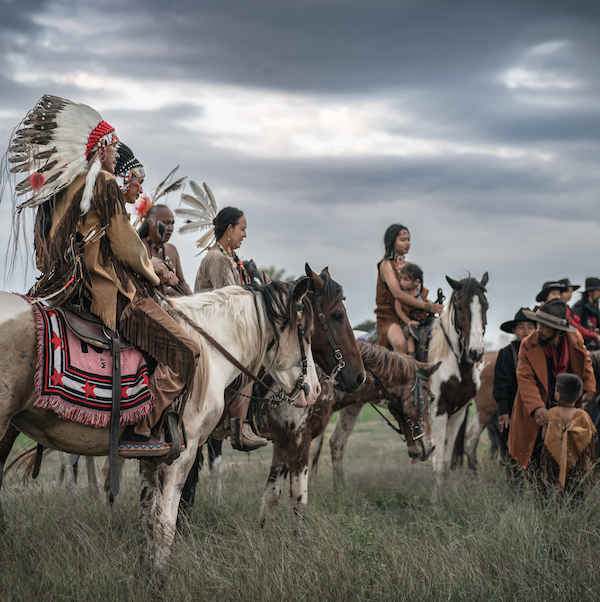
Indigenous Tours
Fashion, romance and wellness for travelers seeking confidence and style.
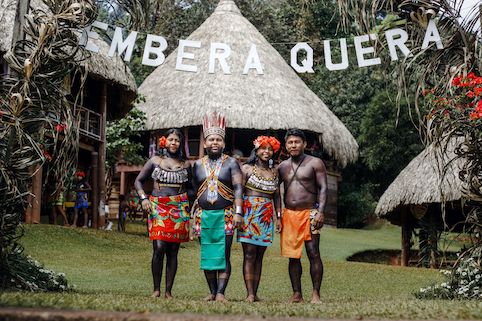
Experience the Emberá of the Darién – On the Only Expedition Operated by An Indigenous Community
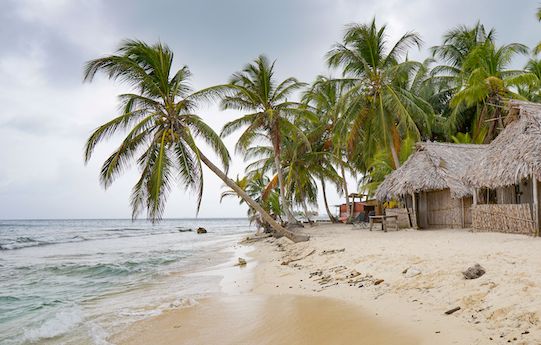
Indigenous Cultural Tour Guna Yala – Discover the Exotic San Blas Islands

Indigenous Canada Tour – Explore First Nations, Inuit And Métis Cultures
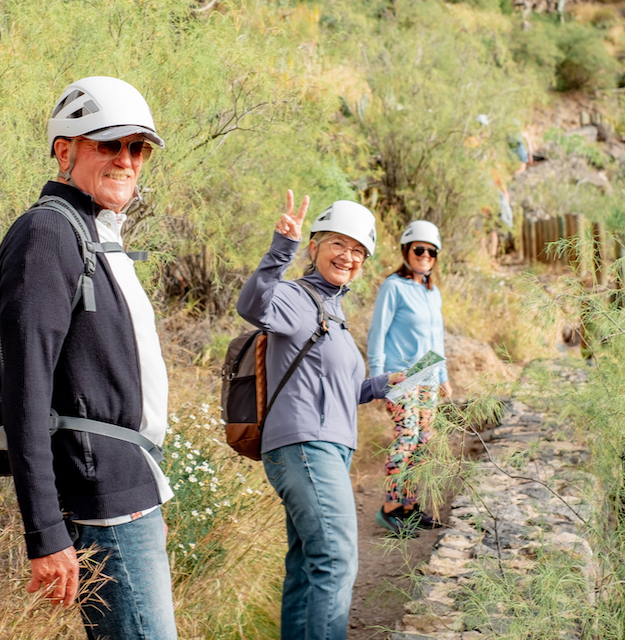
Outdoor Sports
Fashion, romance and wellness for travelers seeking confidence and style.

Scuba Diving Tours Through the Caribbean's Spectacular Coral Reefs

North Patagonia Ice Field Expedition Tour In Chile