|
Pan American Experiences
|
------- |

Hemisphere Related Articles:
2025 -- the Year of the Naked Dress |
HEMISPHERE ------------------------------------------255[COLUMN] | |||
This Fall Without a MasterStrangely, Social Media PlatformsLack Their Normal Obsession By Jazmin Agudelo & Estefanía Muriel for Ruta Pantera on 2/1/2026 9:12:49 PM |
||||
| This past fall, we noticed something curious: social media no longer has a “boss.” It used to be easy to spot: a catchy song blaring everywhere, a viral challenge no one wanted to miss, or a filter flooding TikTok and Instagram. Now, dispersion reigns. Everyone seems to live in their own digital universe, and that fragmentation intrigues and surprises us. | ||||
|
We first noticed it in fashion. Suddenly, university campuses turned into viral runways. Back-to-school season was filled with videos of students showcasing their outfits like models. We're not talking about luxury brands but a mix of fast fashion, vintage, and homemade creativity that feels authentic, even if it’s clearly algorithm-driven. It reminds us of our college days when the height of fashion was debuting a new backpack—now every detail becomes content.
Makeup had its moment too. “Grunge” came back, but not like the nineties version. This is a clean, calculated, almost “aesthetic” grunge. We wonder: what’s left of that original rebelliousness? It’s as if counterculture went through TikTok’s filter and came out sanitized, ready for likes and tutorials. An hilarious thing was watching half the internet talk about a solar eclipse… that never happened! Memes, predictions, and conspiratorial videos multiplied as if we were awaiting a historic event. In the end, it was just a rumor. This confirmed how fast misinformation can become a global phenomenon and how the need for awe remains a relentless driver online. Meanwhile, TikTok stayed hyperactive. Trends like the energetic Sync Slap Squad, the absurdly catchy Lizard Repeat, and the chaotic Crazy Car Wash emerged. Slideshow storytelling—those mini visual stories with a punchline at the end—and aesthetic waves under hashtags like #oddlysatisfying or #looksmaxing reinforced the obsession with visually pleasing, aspirational content. Yet, while we dally with these trends, brands are operating on another level. They’re no longer chasing massive viral challenges but micro-viral moments born in small niches: an audio, a video style, a meme that catches fire in a specific group and, if leveraged well, spreads. This goes hand in hand with artificial intelligence, which not only creates content but analyzes every audience move. But amid all this digital noise, we see an intriguing thread: nostalgia. Crochet, the return to rural life, the “Martha Stewart” aesthetic, home gardening—these trends reflect a desire for calm, for returning to basics. Maybe—just maybe—the real trend this past fall wasn't a filter or a dance but a quiet search for, yes -- disconnection. Most Viral and Talked-About Topics 1. University Fashion and “Campus Style.” Back-to-school season has turned campuses into viral runways. Students create fashion content with collegiate styles (“RushTok”), while brands like Skims, Asos, PrettyLittleThing, and Shein launch collections inspired by university wear. Social media is flooded with student influencers representing this nostalgic, authentic aesthetic. Source: The Guardian 2. Martha Stewart Aesthetic and Reconnection with Nature. Pinterest reports a surge in interest in the Martha Stewart aesthetic: rural living, cooking from the garden, crochet, and boho style. It promotes a more mindful, digitally detoxed lifestyle, inspired by gardening and intentional living. Source: New York Post. 3. “Grunge” Makeup: Aesthetic or Appropriation? The “clean grunge” makeup trend is popular but criticized for losing its original rebellious essence. It’s now seen as a carefully curated visual trend rather than an authentic countercultural statement. Source: Allure. 4. Misinformation Bubbles: The Rumored Solar Eclipse. A rumor about an August solar eclipse went viral on social media. While it captured attention, it also caused confusion and highlighted the need for fact-checking. It shows how astronomical phenomena can become viral events thanks to algorithms. Source: The Times of India. 5. Polarization, Provocation, and Humor as Debate Strategies. In the political context, figures like Poncho Gutiérrez (ElDeforma) use satire and provocation to mediate and polarize online debates. This reflects how humor can soften or intensify ideological discussions. Source: El País. |
||||
 Add this article to your favorites
[FOR MEMBERS ONLY]
Add this article to your favorites
[FOR MEMBERS ONLY]
Copy this link to send this article to a friend: [FOR MEMBERS ONLY] |
||||
|
|
||||
|---|---|---|---|---|
| |
|
|
|
|
×
|
||||
Please leave a comment about this article: 255 |
|
| Enter your email address: |
Your email will not be displayed. |
| Your nickname: | |
| Your comment: | |
| Was this article helpful to you? | |
|
|
|
Articles about exciting travel experiences in our hemisphere.

ADVENTURE
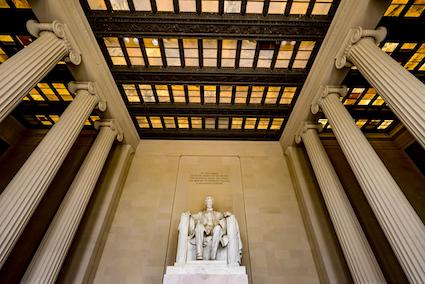
Cape Froward, Chile



BEACH & SUN

Welcome to the World’s Largest New Year’s Celebration
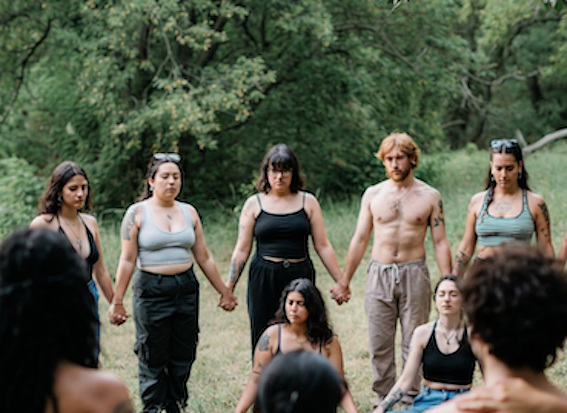
For those traveling from North, Central, or South America, New Year's Eve in Rio offers a rich narrative about how a city can transform a universal holiday into a unique celebration, rooted in local traditions and open to the world.













|
Experiences Finder
(Search our catalog of Experiences here.) |
|---|